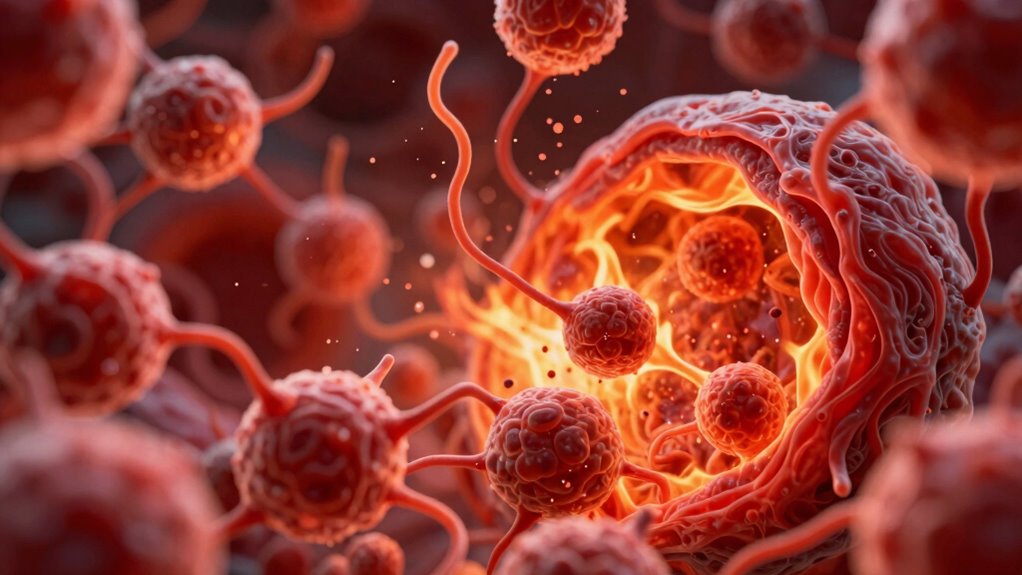

When your body detects injury, infection, or damage, it triggers inflammation to protect and heal itself. Blood vessels widen, bringing immune cells, oxygen, and nutrients to the affected area. Immune cells release chemicals to fight harmful agents and clear debris, while increasing vessel permeability for better access. This process causes redness, swelling, and pain, signaling your defenses are active. If you want to understand how this balance impacts your health, keep exploring how inflammation works inside.
Get ready for Prime Big Deal Days — try Prime free
Exclusive member deals on October 6–7, plus fast free delivery. Cancel anytime.
As an affiliate, we earn on qualifying purchases.
Key Takeaways
- Inflammation signals the body to respond to threats like infections or injury.
- It increases blood flow and permeability to deliver immune cells and nutrients to affected areas.
- Immune cells release chemicals called cytokines to coordinate attack and repair processes.
- Chronic inflammation can damage healthy tissues and disrupt normal bodily functions.
- Proper inflammation balance is essential for healing, immunity, and overall health.

Have you ever wondered what happens inside your body when you get injured or fight off an illness? It all starts with your immune response, a complex system designed to protect you from harmful invaders like bacteria, viruses, and damaged cells. When your body detects these threats, it triggers inflammation, a essential process that helps contain and eliminate the problem. Inflammation causes blood vessels to widen, increasing blood flow to the affected area, bringing immune cells, nutrients, and oxygen that are indispensable for healing. This process also makes the area red, swollen, and sometimes painful—clear signs that your body is actively fighting to restore health.
Your immune response is not just a simple reaction; it’s a finely tuned defense mechanism. Special immune cells, such as macrophages and neutrophils, rush to the site of injury or infection, releasing chemicals called cytokines that coordinate the attack against invaders. These cytokines also make blood vessels more permeable, allowing immune cells to reach the affected tissue more easily. As harmful agents are destroyed and debris cleared away, your body begins the repair process. This entire sequence of events is inflammation in action, essential for healing and recovery. Understanding the immune response can help you make informed choices about your health and wellness.
Immune cells release cytokines, coordinating attack and repair during inflammation.
However, inflammation isn’t always beneficial. When it persists or occurs inappropriately, it can turn into a chronic condition. Chronic inflammation can last for months or even years, often without obvious signs. It’s like your immune system is stuck in overdrive, continuously releasing inflammatory chemicals even when there’s no immediate threat. This ongoing inflammation can damage healthy tissues, disrupt normal bodily functions, and contribute to diseases such as rheumatoid arthritis, inflammatory bowel disease, and even heart disease. Recognizing chronic inflammation and its triggers can be crucial for maintaining long-term health. Additionally, understanding the balance of immune responses can help prevent the development of these persistent issues.
Understanding what inflammation is really doing inside your body reveals its dual nature. On one hand, it’s an indispensable defense, essential for healing injuries and fighting infections. When inflammation becomes chronic, it can also be influenced by factors like diet and lifestyle, which can exacerbate or mitigate its effects. Managing inflammation involves not only treating symptoms but also addressing underlying causes, whether through lifestyle changes, medication, or medical interventions. Recognizing when your immune response is out of balance can be key to preventing chronic conditions and maintaining overall health. So, the next time you notice swelling or pain, remember that inflammation is your body’s way of protecting and repairing itself—until it becomes a problem of its own.
As an affiliate, we earn on qualifying purchases.
Frequently Asked Questions
Can Inflammation Be Entirely Harmful or Beneficial?
Inflammation isn’t entirely harmful or beneficial; it’s a crucial part of your immune response and tissue repair. When your body detects injury or infection, inflammation helps fight off pathogens and kickstarts healing. However, if it persists or becomes chronic, it can cause damage and contribute to health problems. So, inflammation’s role depends on timing and context — it’s essential for healing but can be harmful if uncontrolled.
How Does Inflammation Relate to Chronic Diseases?
Imagine a medieval alchemist’s secret—chronic inflammation—that’s quietly fueling your health battles today. When inflammation shifts from acute to chronic, it often triggers autoimmune reactions, where your immune system attacks your own tissues. This persistent, low-grade inflammation contributes to diseases like heart disease, diabetes, and arthritis. You might not notice it, but ongoing inflammation silently damages your body, making managing it vital for preventing long-term health issues.
Are There Natural Ways to Reduce Inflammation Quickly?
Yes, you can find natural remedies for quick relief from inflammation. Practices like applying turmeric or ginger topically, drinking anti-inflammatory teas such as green tea or turmeric latte, and using cold compresses can help reduce swelling rapidly. Incorporate deep breathing, gentle stretching, and staying hydrated to support your body’s natural healing. These methods offer fast, accessible relief, helping you calm inflammation without relying solely on medications.
What Role Do Diet and Lifestyle Play in Inflammation?
Imagine your body as a bustling city; your diet and lifestyle are the traffic signals guiding its flow. Eating antioxidant-rich foods acts like green lights, reducing inflammation’s chaos. Meanwhile, stress management techniques serve as calming melodies, preventing the traffic jams of inflammation. By choosing nourishing foods and practicing relaxation, you keep your body’s internal traffic smooth, lowering inflammation and promoting overall health.
How Is Inflammation Diagnosed in the Body?
You can diagnose inflammation through biomarker testing, which detects elevated levels of substances like C-reactive protein or erythrocyte sedimentation rate, indicating inflammation. Additionally, imaging techniques such as MRI, ultrasound, or CT scans help visualize affected tissues and identify inflammation’s location and severity. Together, these methods give your healthcare provider a clear picture, guiding effective treatment plans and helping you understand what’s happening inside your body.
As an affiliate, we earn on qualifying purchases.
Conclusion
So, stay savvy about inflammation’s sneaky side. By understanding what it’s really doing inside your body, you can better beat back its bothersome effects. Remember, managing inflammation means mending your metabolism, moderating your mindset, and maximizing your movement. Keep your body balanced, your habits healthy, and your health hopeful. Stay smart, stay strong, and let inflammation’s interference be a thing of the past!
As an affiliate, we earn on qualifying purchases.
As an affiliate, we earn on qualifying purchases.
NFL season / tailgating Picks
team gear
As an affiliate, we earn on qualifying purchases.