

Early diagnosis of some diseases is hard because their symptoms often look like common issues or appear subtly, making them easy to overlook. You might notice mild discomfort or fatigue, but these signs can change over time or differ among individuals. Standard tests may not catch early markers, and the disease’s genetic complexity adds to the challenge. If you want to understand how these factors affect detection and what advances are being made, there’s more to explore.
Key Takeaways
- Symptoms often mimic common conditions or are subtle, making early detection difficult.
- Genetic complexity leads to varied symptoms and unpredictable disease progression.
- Diagnostic tests may not detect early markers, especially if symptoms are intermittent or nonspecific.
- Variability in symptoms among patients hampers the establishment of consistent early diagnosis patterns.
- Limited availability and high costs of comprehensive testing hinder early identification efforts.
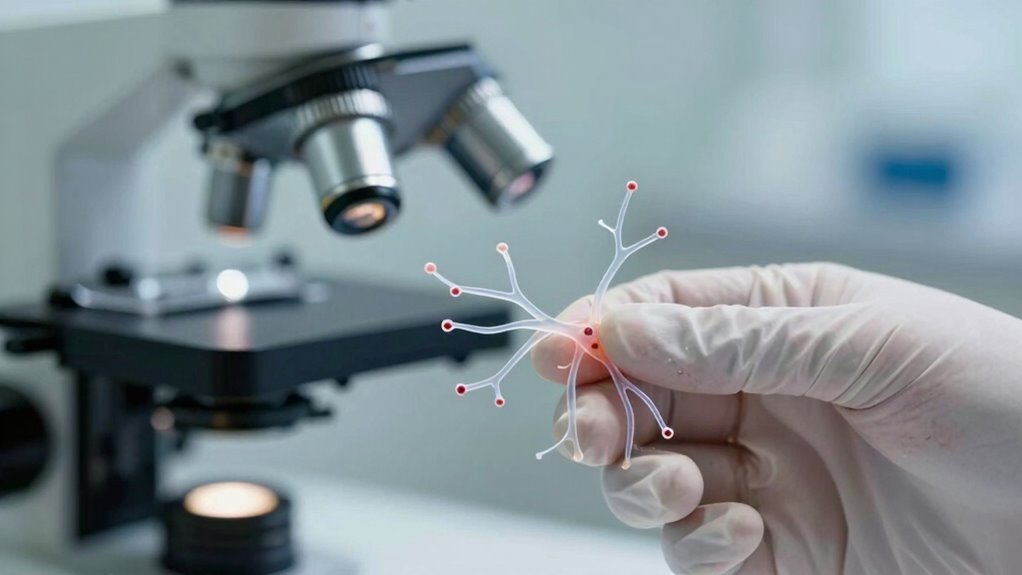
Some diseases are difficult to diagnose early because their symptoms often mimic those of more common conditions or appear so subtly that they go unnoticed. This challenge often stems from the disease’s genetic complexity and symptom variability. When a disease has a complex genetic makeup, it means multiple genes may be involved, each contributing differently to how the illness manifests. This genetic variability can lead to a wide range of symptoms from person to person, making it hard to identify a consistent pattern. You might experience mild or nonspecific symptoms—fatigue, discomfort, or occasional aches—that don’t immediately point to a serious condition. Because these early signs are so vague, both patients and doctors can easily overlook them or attribute them to less severe issues like stress or minor infections. Additionally, the symptom variability can sometimes be compounded by environmental factors, further obscuring early detection efforts. Symptom variability further complicates early diagnosis. Some diseases don’t follow a predictable course; instead, their symptoms change over time or differ among individuals. For example, one person with a certain autoimmune disorder might primarily experience joint pain, while another might suffer from skin rashes or neurological symptoms. This inconsistency can mislead healthcare providers, causing delays in recognizing the underlying disease. The variability also means that standard diagnostic tests may not always be conclusive in the early stages, especially if the tests target specific markers that haven’t yet appeared or are only intermittently detectable. Furthermore, the genetic complexity of some diseases can hinder the development of reliable early screening tools. Advances in genetic research continue to shed light on these complexities, offering hope for improved early detection methods. As research advances, understanding these complexities can improve diagnostic accuracy and lead to better early detection strategies. Recognizing these factors underscores the importance of comprehensive testing and ongoing research to identify subtle early signs. Because of these factors, you might find yourself bouncing between different doctors, each misattributing your symptoms to other conditions. The subtlety of early signs, combined with genetic complexity and symptom variability, makes it easy for diseases to hide in plain sight. Without clear, distinctive symptoms, early diagnosis relies heavily on a high index of suspicion and advanced testing, which isn’t always readily available or affordable. Over time, as the disease progresses, symptoms often become more pronounced and easier to link to a specific diagnosis. But catching these illnesses early, when treatment could be most effective, remains a significant challenge due to their hidden nature. Recognizing the interplay of genetic complexity and symptom variability is vital for improving early detection and ultimately saving lives.
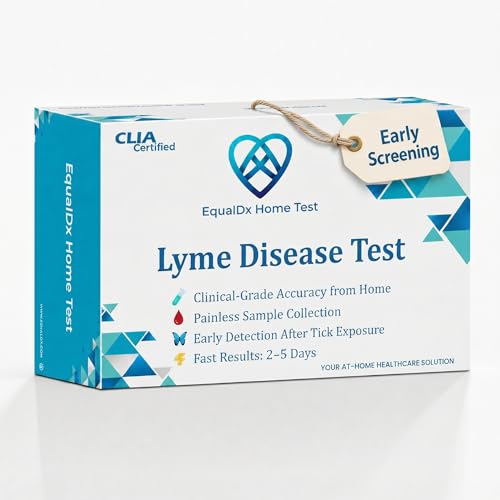
Lyme Disease Test Kit – Easy At-Home and Pain-Free Detection After Tick Exposure – Fast & Accurate Results, Reliable Borrelia Bacteria Screening for Convenient and Effective Testing
- At-Home Lyme Disease Test: Easy, pain-free testing from home
- Comfortable Sample Collection: Simple and painless process
- Fast, Clear Results: Timely and easy-to-understand outcomes
As an affiliate, we earn on qualifying purchases.
As an affiliate, we earn on qualifying purchases.
Frequently Asked Questions
Can Early Diagnosis Improve Disease Outcomes Significantly?
Yes, early diagnosis can considerably improve disease outcomes. Implementing effective screening protocols helps catch conditions sooner, increasing treatment success. However, diagnostic challenges—like subtle symptoms or overlapping signs—can delay detection. By addressing these challenges and refining screening methods, you can detect illnesses early, leading to better management, reduced complications, and improved quality of life. Early diagnosis truly makes a meaningful difference in health outcomes.
What Role Do Genetic Factors Play in Misdiagnosis?
About 80% of misdiagnoses involve genetic factors, highlighting their essential role. You should know that genetic markers can sometimes obscure diagnosis because they contribute to diagnostic complexity. Variations in genes may mimic symptoms of other diseases, making it harder for doctors to pinpoint the exact condition. Understanding these genetic influences can help improve diagnostic accuracy, but it also underscores the need for more advanced tools to interpret genetic data effectively.
Are There New Technologies Aiding Early Detection?
Yes, new technologies like innovative imaging and wearable sensors are helping you detect diseases earlier. Innovative imaging provides clearer, more detailed views of your body’s internal structures, making it easier to spot issues early. Wearable sensors continuously monitor essential signs and symptoms, alerting you and your healthcare provider to potential problems before they become serious. These advances make early diagnosis more accessible, improving treatment outcomes and your overall health.
How Do Symptoms Overlap With Other Conditions?
You might find that overlapping signs and symptom similarity make early diagnosis tricky because different conditions can present similar features. When symptoms like fatigue, pain, or fever appear, they often overlap with other illnesses, causing confusion. This overlap can delay accurate diagnosis, especially if healthcare providers don’t consider all possibilities. Recognizing symptom similarity and overlapping signs is essential for doctors to distinguish between diseases and initiate appropriate tests promptly.
What Are the Emotional Impacts of Delayed Diagnosis?
You might feel emotional distress and psychological trauma when diagnosis is delayed, as it’s often unexpected and feels like a personal injustice. The coincidence of worsening symptoms and the wait for answers can intensify feelings of frustration and helplessness. This delay can lead to fear, uncertainty, and loss of trust in healthcare, making emotional impacts more profound and long-lasting, affecting your mental well-being deeply.

My Autoimmune Health Diary: Symptoms & Pain Tracker
As an affiliate, we earn on qualifying purchases.
As an affiliate, we earn on qualifying purchases.
Conclusion
So, next time you’re frustrated by a mysterious illness that refuses to show itself early, just remember—it’s playing hard to get. Doctors chase elusive clues, and symptoms sneak past unnoticed, all while you’re left wondering if your body’s auditioning for a magic show. Maybe these diseases are just practicing their Houdini act, making early detection impossible on purpose. Isn’t it comforting to know that, in the grand game of hide-and-seek, they’re winning?

Innova 5210 OBD2 Scanner & Engine Code Reader, Battery Tester, Live Data, Oil Reset, Car Diagnostic Tool for Most Vehicles, Bluetooth Compatible with America's Top Car Repair App
- All-in-One Scanner and Battery Tester: Reads/clears engine and ABS codes, tests battery
- Real-Time Live Data: Displays RPM, temperature, fuel trims, oxygen sensors
- Universal Compatibility: Works with most 1996+ US, Asian, European vehicles
As an affiliate, we earn on qualifying purchases.
As an affiliate, we earn on qualifying purchases.

EZ Detect Colon Disease Test
- FDA Cleared: At-home colon disease test kit
- Fast Results: Results in 2 minutes
- No Stool Handling: Sanitary and mess-free
As an affiliate, we earn on qualifying purchases.
As an affiliate, we earn on qualifying purchases.