
TL;DR

Prime made for students and young adults
- Fast, free delivery for dorm and study essentials
- Prime Video and Amazon Music included
- Member-only deals
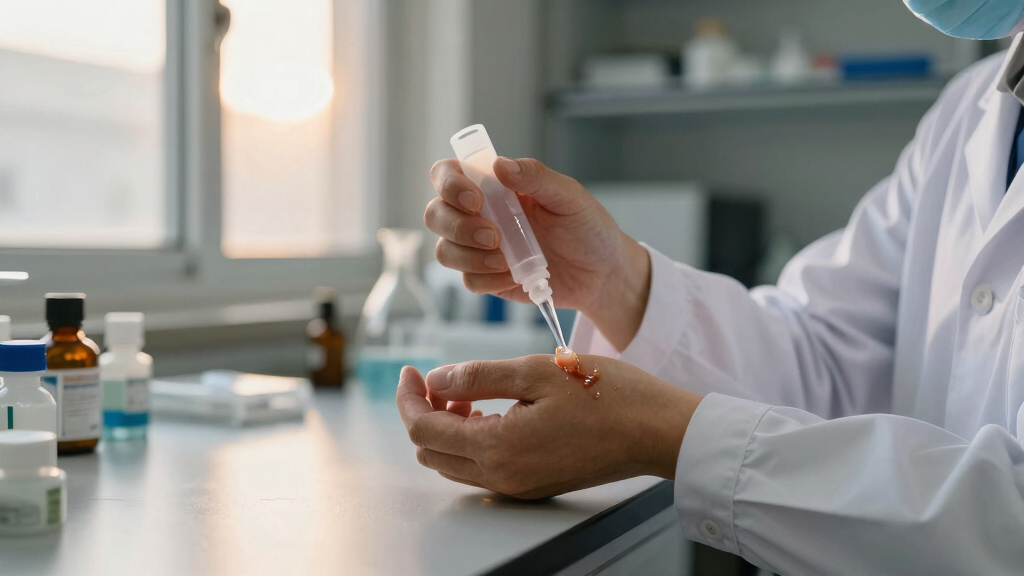
Recent studies confirm that jellyfish can heal their wounds within minutes. Scientists are now examining these mechanisms to develop new medical treatments. The discovery could revolutionize wound care and tissue regeneration.
Scientists have confirmed that jellyfish can heal their wounds within minutes. This discovery has sparked interest in understanding the biological processes behind this rapid regeneration, with potential implications for medicine and tissue repair. The research aims to uncover mechanisms that could inspire new treatments for human injuries.
Recent experiments conducted by marine biologists have demonstrated that certain species of jellyfish, such as Cubozoa, can close and heal their injuries remarkably quickly—sometimes within a few minutes of sustaining damage. This rapid wound closure involves cellular processes that are not yet fully understood but appear to include accelerated cell migration and tissue regeneration. Researchers from the Marine Biology Institute have published preliminary findings indicating that these mechanisms differ significantly from those observed in other marine animals.
While the exact biological pathways are still under investigation, early data suggest that jellyfish utilize a combination of unique proteins and cellular signaling pathways to facilitate this rapid healing. These findings have generated excitement among scientists seeking to translate such natural processes into human medicine. However, the research remains in early stages, and it is not yet clear whether these mechanisms can be replicated or harnessed for therapeutic purposes in humans.
Potential Medical Breakthroughs from Jellyfish Healing
The ability of jellyfish to heal wounds within minutes could lead to revolutionary advances in medicine, particularly in the fields of tissue engineering and regenerative therapy. If scientists can understand and replicate these biological processes, it may be possible to develop new treatments that dramatically reduce healing times for human injuries, including burns, surgical wounds, and chronic ulcers. This research could also inform the development of bio-inspired materials and regenerative scaffolds, advancing the broader field of biomedicine.
Experts caution, however, that translating these findings from jellyfish to humans will require significant further research. The unique biology of jellyfish may not be directly applicable, but understanding their mechanisms could inspire novel approaches to wound healing and tissue regeneration.
As an affiliate, we earn on qualifying purchases.
Jellyfish Wound Healing: New Frontiers in Marine Biology
Jellyfish are known for their remarkable regenerative abilities, but recent studies have specifically highlighted their capacity to close wounds rapidly. Over the past decade, marine biologists have observed that some species can recover from injuries much faster than other aquatic animals, prompting scientific interest. The current research builds on earlier work that identified cellular regeneration in jellyfish, but the recent focus on healing speed marks a new frontier.
Previous studies have examined jellyfish’s simple body structure and regenerative capabilities, mainly in relation to their tentacles and bell tissue. The new findings, published by the Marine Biology Institute, are the first to document wound closure within minutes, suggesting specialized cellular mechanisms at work. These discoveries are part of broader efforts to understand how marine organisms can inspire biomedical innovations.
“Jellyfish’s ability to heal so quickly is unlike anything we’ve seen in other marine animals. Understanding this process could open new doors in regenerative medicine.”
— Dr. Emily Carter, Marine Biologist
As an affiliate, we earn on qualifying purchases.
Unanswered Questions About Jellyfish Healing Mechanisms
While the rapid healing ability has been confirmed, the exact biological pathways and proteins involved remain unidentified. It is also unclear whether these mechanisms can be safely and effectively replicated in human tissues. Researchers caution that translating these findings into medical applications will require extensive further study, including understanding potential risks and limitations.
As an affiliate, we earn on qualifying purchases.
Next Steps in Jellyfish-Driven Medical Research
Researchers plan to conduct detailed molecular analyses to identify the proteins and signaling pathways responsible for rapid wound healing in jellyfish. Further experiments will test whether these mechanisms can be artificially stimulated or mimicked in mammalian tissue models. Clinical applications, if feasible, could take years to develop, but the current findings mark an important step toward bio-inspired regenerative therapies.
accelerated cell migration wound care
As an affiliate, we earn on qualifying purchases.
As an affiliate, we earn on qualifying purchases.
Key Questions
How quickly can jellyfish heal their wounds?
Some species of jellyfish can close and heal their wounds within a few minutes after injury, according to recent research.
Can scientists use jellyfish mechanisms to improve human wound healing?
Scientists are investigating this possibility, but it remains uncertain whether jellyfish’s biological processes can be safely and effectively applied to humans. Further research is needed.
What makes jellyfish capable of such rapid healing?
The specific proteins and cellular signaling pathways involved are still being studied. Early data suggest they involve accelerated cell migration and tissue regeneration.
When might new wound treatments based on jellyfish biology become available?
It is too early to predict timelines. Significant research and testing are required before any clinical applications can be developed, which could take several years.
Source: hn
Fall Picks
fall essentials
As an affiliate, we earn on qualifying purchases.