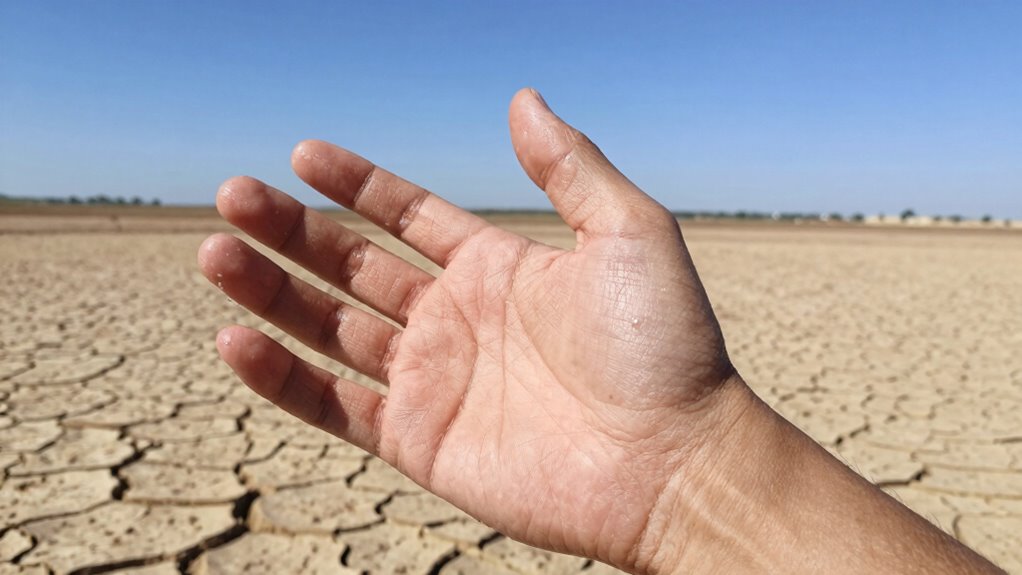

When you’re dehydrated, your blood volume drops, slowing circulation and reducing oxygen and nutrient delivery to your cells. Electrolyte imbalances can cause muscle cramps and irregular heartbeats, while your kidneys work harder to conserve water, risking damage. Low blood pressure may lead to dizziness or fainting, and essential organs can struggle to function properly. If dehydration continues, serious issues like shock can occur. Want to understand how to prevent and manage this? Keep exploring for more details.

Prime made for students and young adults
- Fast, free delivery for dorm and study essentials
- Prime Video and Amazon Music included
- Member-only deals
Key Takeaways
- Blood volume decreases, reducing circulation efficiency and impairing oxygen and nutrient delivery to tissues.
- Electrolyte imbalances cause muscle cramps, spasms, and irregular heartbeats, disrupting nerve and muscle functions.
- Kidneys produce concentrated urine to conserve water, which strains renal function and risks damage if dehydration persists.
- Lower blood pressure from reduced blood volume impairs cellular functions and can lead to shock in severe cases.
- Overall dehydration disrupts body systems, requiring prompt fluid and electrolyte replenishment to restore balance and health.
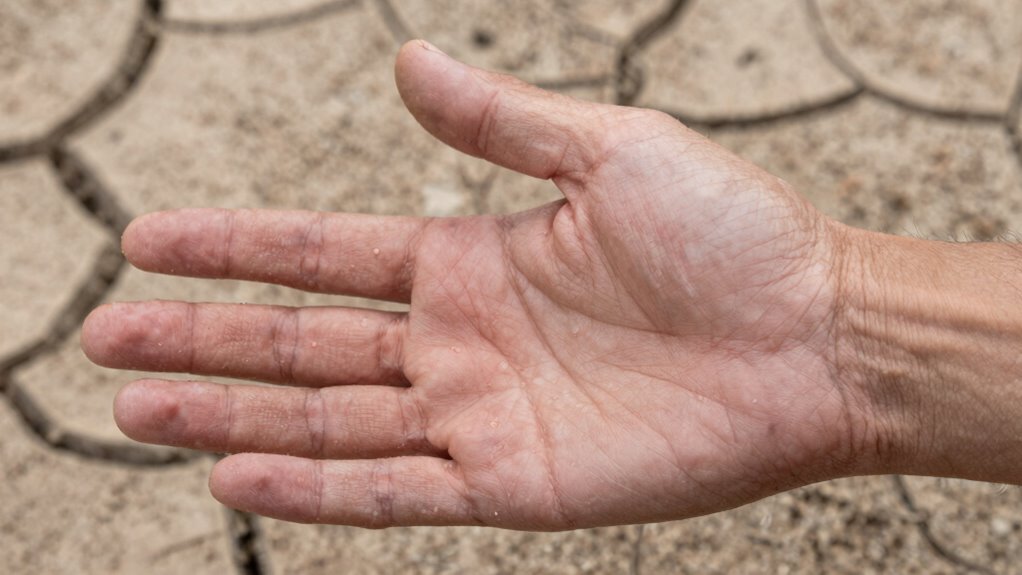
Dehydration occurs when your body loses more fluids than you take in, disrupting essential functions and signaling that your system is running low on water. When this happens, your blood volume decreases, which affects how efficiently your heart can pump and how nutrients and oxygen circulate through your body. One of the first signs you might notice is feeling thirsty, but as dehydration worsens, you can experience dizziness, weakness, and confusion. These symptoms highlight that your body is struggling to maintain balance and proper function.
A key consequence of dehydration is electrolyte imbalance. Electrolytes like sodium, potassium, and chloride are minerals that help regulate nerve function, muscle contractions, and fluid balance. When you’re dehydrated, your electrolyte levels can become skewed, leading to muscle cramps, spasms, or even irregular heartbeats. These imbalances interfere with how your cells communicate and perform their roles, which can become dangerous if not addressed promptly. Maintaining the right electrolyte levels is essential because they support the electrical signals your body relies on to keep everything running smoothly. Additionally, electrolyte balance is closely linked to body’s bio-diversity and conservation, emphasizing the importance of water in supporting complex biological systems.
Your kidneys play a central role in managing hydration and electrolyte levels. When you’re dehydrated, your kidneys conserve water by producing concentrated urine, which can appear dark and strong-smelling. This process is critical for preventing further fluid loss, but it also puts extra strain on your kidney function. If dehydration persists, your kidneys may struggle to filter waste effectively, increasing the risk of kidney damage. Over time, inadequate hydration can impair kidney function, making it harder for your organs to perform their roles in balancing fluids, electrolytes, and waste removal. Furthermore, hydration status directly affects the efficiency of your kidneys’ ability to regulate fluid levels, demonstrating their critical role in maintaining overall health. Additionally, dehydration can impact your body’s ability to regulate blood pressure, further complicating overall circulation.
Furthermore, dehydration affects blood pressure regulation. As blood volume drops, your blood pressure can fall, leading to a cascade of issues like fainting or shock in severe cases. The decreased blood volume also reduces the amount of oxygen and nutrients reaching your tissues, impairing cellular function and slowing down your recovery. The combination of electrolyte imbalance and compromised kidney function can amplify these problems, making dehydration a more serious threat if ignored. Recognizing the body’s response to dehydration underscores how critical proper hydration is in maintaining overall health.
In essence, dehydration isn’t just about feeling thirsty; it’s a complex disturbance in your body’s finely tuned systems. It impacts your electrolyte balance, strains your kidneys, and hampers overall circulation and cellular function. Recognizing the signs early and replenishing fluids with water and electrolytes can help restore balance, protect your kidney health, and prevent more serious complications. Staying aware of these processes empowers you to respond swiftly and keep your body functioning effectively. Understanding how dehydration interacts with your body’s biodiversity and conservation systems underscores the importance of maintaining proper hydration for overall health.
As an affiliate, we earn on qualifying purchases.
Frequently Asked Questions
Can Dehydration Cause Long-Term Health Issues?
Yes, dehydration can cause long-term health issues. When you don’t hydrate properly, it puts stress on your kidneys, increasing the risk of chronic kidney problems. Dehydration also leads to electrolyte imbalances, which can affect your heart, muscles, and nervous system over time. If you regularly experience dehydration, it’s essential to drink enough fluids to protect your overall health and prevent lasting damage.
How Does Dehydration Affect Mental Clarity?
Dehydration clouds your mental clarity by causing cognitive decline and increasing mental fatigue. When you’re dehydrated, your brain struggles to function *at its best*, leading to difficulty concentrating, slower reaction times, and forgetfulness. You might also feel more irritable or anxious. Staying well-hydrated keeps your mind sharp, improves focus, and helps prevent the mental fog that dehydration can cause. Drinking enough water is essential for maintaining clear thinking.
Are Certain Age Groups More Vulnerable to Dehydration?
You’re more vulnerable to dehydration if you’re elderly or an infant; in fact, seniors are at a higher risk due to decreased thirst sensation and kidney function, while infants have a larger water percentage and can’t communicate thirst. Elderly vulnerability increases their risk of serious complications, and infants face dehydration risks quickly. Staying hydrated is essential for all ages, but especially these vulnerable groups to prevent health issues.
Can Dehydration Impact Athletic Performance?
Dehydration can considerably impact your athletic performance by causing electrolyte imbalance, which may lead to muscle cramps and weakness. When you’re dehydrated, your body struggles to regulate temperature and maintain muscle function, reducing endurance and increasing fatigue. You might notice decreased strength and coordination, making it harder to perform at your best. Staying hydrated helps prevent these issues, supporting ideal performance and quicker recovery during and after exercise.
How Quickly Can Dehydration Symptoms Appear?
Dehydration symptoms can appear surprisingly quickly, sometimes within a few hours of inadequate fluid intake, especially during intense activity or hot weather. Early symptoms include dry mouth, thirst, and dark urine, signaling mild dehydration. As severity levels increase, you might experience dizziness, fatigue, or rapid heartbeat. Recognizing these signs early helps prevent worsening dehydration, so stay attentive to your body’s signals and hydrate consistently to maintain ideal health.
dehydration electrolyte supplements
As an affiliate, we earn on qualifying purchases.
As an affiliate, we earn on qualifying purchases.
Conclusion
Think of your body as a busy city. When you’re dehydrated, it’s like the water supply runs low—traffic slows, engines stall, and essential services struggle to run smoothly. Staying hydrated keeps this city thriving, ensuring all systems move seamlessly. So, drink up regularly, and keep your body’s city alive and bustling, just like a well-watered metropolis. After all, a hydrated you is a city that never misses a beat.
reusable water bottles with electrolytes
As an affiliate, we earn on qualifying purchases.
As an affiliate, we earn on qualifying purchases.
kidney support hydration supplements
As an affiliate, we earn on qualifying purchases.
As an affiliate, we earn on qualifying purchases.
Halloween Picks
halloween
As an affiliate, we earn on qualifying purchases.