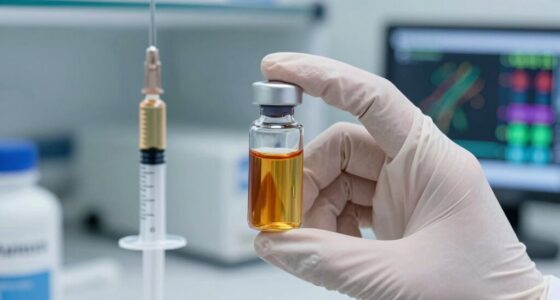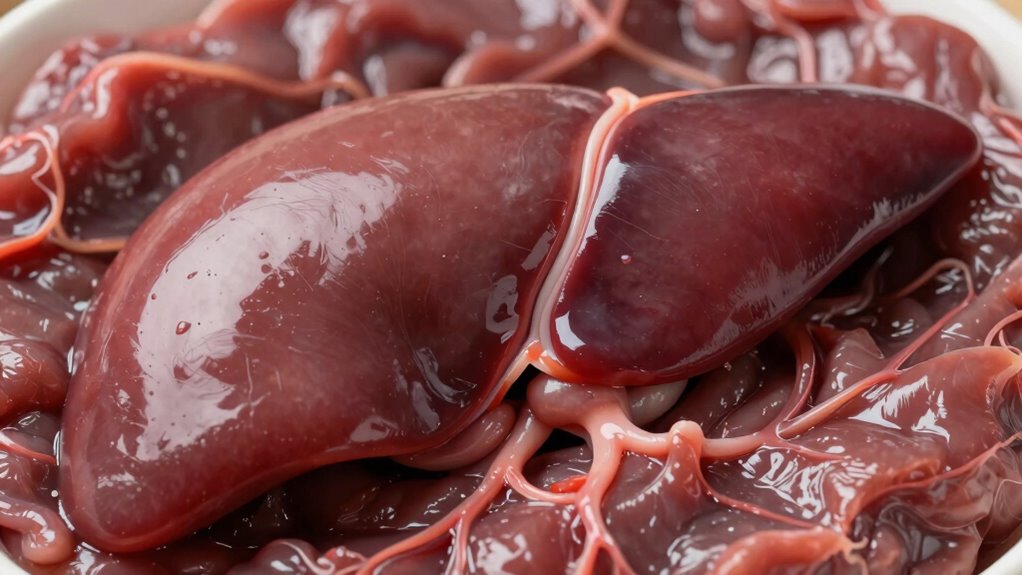

Your liver works nonstop to keep you healthy by filtering out harmful toxins from food, drinks, and medications. It processes nutrients, converts excess glucose into storage form, and releases it when needed for energy. The liver also produces bile to break down fats and helps regulate blood sugar and cholesterol levels. It even synthesizes essential proteins for your immune system. Keep exploring to discover more ways your liver supports your daily well-being.

Prime made for students and young adults
- Fast, free delivery for dorm and study essentials
- Prime Video and Amazon Music included
- Member-only deals
Key Takeaways
- Filters and detoxifies harmful substances from food, drinks, medications, and environmental pollutants daily.
- Converts excess nutrients into storage forms and releases them to maintain steady energy levels.
- Produces bile to aid in fat digestion and supports nutrient absorption.
- Regulates blood sugar and cholesterol levels to ensure metabolic balance.
- Continuously processes nutrients, synthesizes vital substances, and maintains overall bloodstream health.
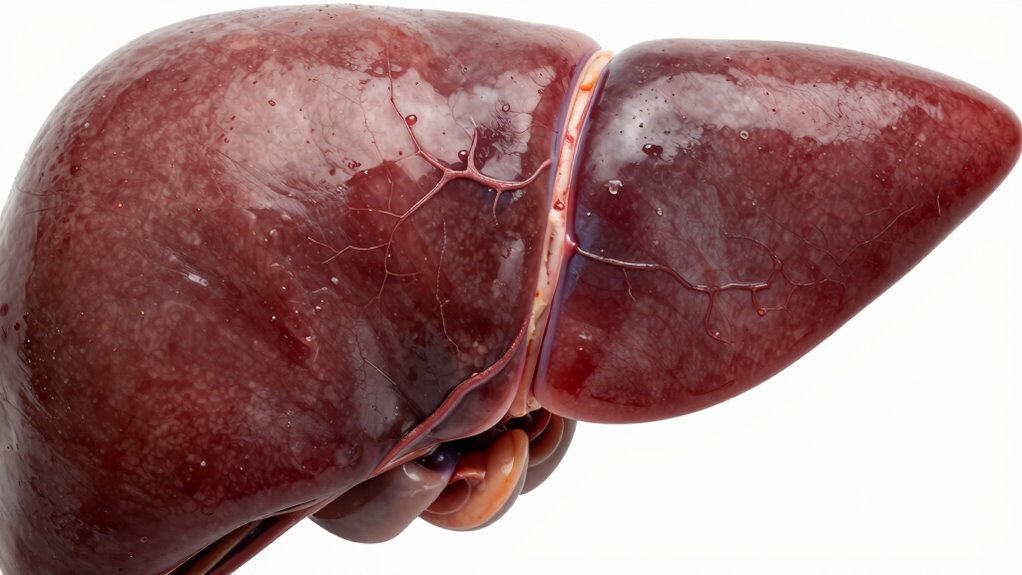
The liver plays a crucial role in keeping your body healthy by performing a wide range of essential functions. Every day, it works tirelessly behind the scenes, ensuring your body operates smoothly. One of its primary jobs is managing detox processes. When you consume food, drinks, or medications, your liver acts as a filter, breaking down harmful substances so they can be safely eliminated. It processes toxins from alcohol, pollutants, and waste products from your metabolism, preventing them from building up and causing damage. This detoxification helps keep your bloodstream clean and reduces the risk of illness, making the liver indispensable for your overall health.
The liver filters harmful substances, supporting your overall health and protecting your body from toxins daily.
Alongside detox processes, your liver is deeply involved in nutrient processing. When you eat, your digestive system breaks down food into smaller components, such as sugars, amino acids, and fats. Your liver then steps in to process these nutrients. It converts excess glucose into glycogen for storage, which it can later release into your bloodstream to maintain steady energy levels. The liver also synthesizes proteins essential for blood clotting and immune functions, ensuring your body can heal wounds and fight infections effectively. Additionally, it transforms and stores vitamins and minerals, like iron and vitamin A, so they’re available when your body needs them. Moreover, the liver’s ability to regulate blood sugar is vital for maintaining consistent energy throughout the day. Its role in cholesterol synthesis and regulation further supports cardiovascular health by balancing vital fats in your bloodstream. This dynamic regulation is crucial for overall metabolic health and preventing diseases.
Your liver’s role extends to producing bile, a digestive fluid that helps break down fats in your intestines. Bile is stored in the gallbladder and released when you eat fatty foods, aiding digestion and nutrient absorption. Without this process, fats would remain undigested, leading to nutritional deficiencies and digestive discomfort. The production of bile is also closely linked to your liver’s ability to detoxify harmful substances, emphasizing its multifaceted role in maintaining digestive health.
Beyond these functions, your liver is a key regulator of blood sugar and cholesterol levels. It monitors your blood’s glucose levels, releasing or storing energy as needed to keep everything balanced. It also synthesizes cholesterol, an essential component for hormone production and cell structure, but it keeps its levels in check to prevent buildup that could clog your arteries. The liver’s ability to maintain metabolic balance is essential for overall health and vitality. Maintaining a healthy lifestyle, including proper nutrition and avoiding toxins, can support this complex balancing act.
In essence, your liver is like a busy, highly efficient processing plant. It detoxifies toxins, processes nutrients, produces indispensable substances, and maintains balance within your bloodstream. This incredible organ works around the clock, often without you even realizing it’s there. You can support its health by eating balanced meals, staying hydrated, and avoiding excessive alcohol consumption. Recognizing the indispensable roles your liver performs each day helps you appreciate how much it does to keep you healthy and functioning at your best.
As an affiliate, we earn on qualifying purchases.
Frequently Asked Questions
Can Liver Health Be Improved With Specific Foods?
Yes, you can improve your liver health with specific foods. Incorporate nutrient-rich options like leafy greens, berries, and nuts to support nutrient absorption. Foods such as garlic and turmeric help enhance toxin filtration, aiding your liver’s detox processes. Avoid excessive alcohol and processed foods, which can stress your liver. Regularly eating a balanced diet with these foods can boost your liver’s function and overall health.
How Does Alcohol Affect Liver Function Long-Term?
Long-term alcohol consumption hampers your liver’s ability to metabolize alcohol efficiently, leading to increased liver toxicity. Over time, this can cause inflammation, fatty liver, and even cirrhosis. Alcohol metabolism strains your liver, damaging its cells and impairing essential functions. Persistent drinking overwhelms your liver’s capacity to detoxify, risking serious health issues. To protect your liver, it’s imperative to limit alcohol intake and give your liver time to recover.
Are There Symptoms of Early Liver Damage?
Think of your liver as a busy factory; early damage is like a crack in its foundation. You might notice fatigue symptoms that drain your energy like a leaky faucet. Jaundice indicators, such as yellowing skin or eyes, appear when the liver struggles to process toxins. These signs often sneak in quietly, so paying attention now can catch issues before they turn into serious problems.
What Are Common Liver Diseases and Their Signs?
You might notice jaundice, fatigue, or abdominal pain if you have liver diseases like hepatitis or cirrhosis. Common signs include unexplained weight loss, swelling, or dark urine. To protect your liver, practice hepatitis prevention by avoiding risky behaviors and getting vaccinated. In severe cases, liver transplantation may be necessary. Recognizing these signs early helps you seek prompt medical care and prevent further liver damage.
How Often Should Liver Function Tests Be Done?
You should have liver function tests done annually or as recommended by your healthcare provider, especially if you have risk factors like alcohol use or liver disease. These tests check your liver’s ability for detoxification and enzyme balance, helping catch issues early. If you’re at higher risk or have symptoms, more frequent testing might be necessary. Regular testing supports your liver’s health and overall well-being.
As an affiliate, we earn on qualifying purchases.
Conclusion
Your liver is like a tireless gardener, constantly tending to your body’s needs without pause. It filters, detoxifies, and produces essential nutrients, working behind the scenes to keep you healthy and energized. When you understand its crucial role, you realize it’s not just an organ—it’s the silent guardian of your well-being. So, treat it with care, because without your liver’s daily dedication, your body’s garden wouldn’t flourish.
As an affiliate, we earn on qualifying purchases.
blood sugar regulation supplements
As an affiliate, we earn on qualifying purchases.
As an affiliate, we earn on qualifying purchases.
Fall Picks
fall essentials
As an affiliate, we earn on qualifying purchases.