

Your body needs microbes more than most realize because they play a crucial role in keeping your immune system balanced, aiding digestion, and supporting mental health through the gut-brain connection. They help protect against harmful pathogens, improve nutrient absorption, and train your immune responses. Fostering diverse microbes makes your health more resilient and balanced. If you want to understand how these tiny allies influence every part of your well-being, there’s plenty more to discover.

Prime made for students and young adults
- Fast, free delivery for dorm and study essentials
- Prime Video and Amazon Music included
- Member-only deals
Key Takeaways
- Microbes support immune function and protect against harmful pathogens.
- They aid in digestion and nutrient absorption, essential for overall health.
- Microbial diversity influences mental health through the gut-brain connection.
- A healthy microbiome helps the body adapt to environmental changes.
- Supporting microbes prevents immune overreactions and boosts resilience.
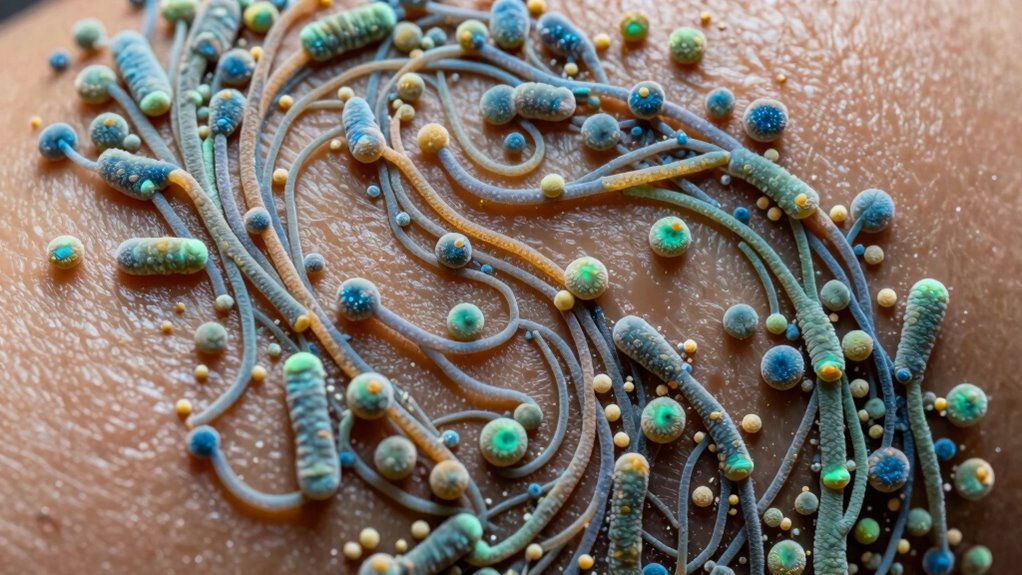
Your body is home to trillions of microbes that play a pivotal role in maintaining your health. These tiny organisms, mostly bacteria, and fungi, form a complex ecosystem known as the microbiome. One of their most essential functions is supporting microbial diversity, which means having a wide variety of microbes living in harmony within your body. When your microbial diversity is balanced, your body can better defend against diseases, digest food efficiently, and regulate your immune response. Conversely, a lack of diversity can lead to health issues like inflammation, allergies, and even mental health challenges. It’s not just about having microbes; it’s about having the right mix of them, working together to keep you healthy.
A diverse microbiome helps protect against disease, improve digestion, and support immune and mental health.
The microbiome also influences your brain health through the gut-brain connection. This is a communication pathway where your gut microbiota sends signals to your brain, affecting mood, stress levels, and cognitive functions. When your gut microbes are diverse and healthy, they produce essential chemicals like neurotransmitters and short-chain fatty acids that support mental clarity and emotional stability. If your microbiome becomes imbalanced—say, from poor diet, stress, or antibiotics—you might notice increased anxiety, depression, or difficulty concentrating. This connection highlights how your gut health is directly linked to your mental well-being, and maintaining a diverse microbiome is necessary for a resilient brain. Additionally, maintaining microbial diversity is crucial for immune regulation and overall health resilience. Supporting a diverse microbiome can also help your body adapt more effectively to environmental changes, reducing the risk of illness.
You might not realize how much control your microbes have over your body’s processes, but they influence everything from digestion to immune function. A diverse microbiome acts as a protective barrier, preventing harmful pathogens from establishing themselves. It also helps your body extract nutrients more efficiently, ensuring you get the most out of your food. In addition, microbes communicate with your immune system, training it to respond appropriately to threats without overreacting. This delicate balance is essential because an imbalanced microbiome—often caused by poor diet, stress, or antibiotics—can lead to a weakened immune response and increased vulnerability to illness. Additionally, research shows that the microbiome’s overall health is closely tied to microbial diversity and its ability to adapt to environmental changes.
Understanding the importance of microbial diversity and the gut-brain connection helps you see why fostering a healthy microbiome should be a priority. Eating a varied diet rich in fiber, fermented foods, and probiotics can promote microbial diversity, supporting both your physical and mental health. The more you nurture your body’s microbial community, the more resilient and balanced your overall health will be. These microbes aren’t just passengers; they’re active partners in keeping you alive, alert, and thriving.
probiotic supplements for immune health
As an affiliate, we earn on qualifying purchases.
As an affiliate, we earn on qualifying purchases.
Frequently Asked Questions
Can Microbes Be Harmful to Health?
Yes, microbes can be harmful to your health, especially pathogenic bacteria that cause infections. However, your body’s microbes usually protect you by outcompeting harmful ones. Be aware of microbial resistance, which makes some bacteria harder to treat. To stay healthy, practice good hygiene, get vaccines, and use antibiotics responsibly. This helps keep harmful microbes in check while preserving beneficial ones essential for your immune system.
How Do Microbes Influence Mental Health?
Microbes greatly influence your mental health through the gut-brain connection. A diverse microbial community supports this link, promoting better mood, reduced anxiety, and sharper cognition. When your gut microbes are balanced, they produce neurotransmitters like serotonin and dopamine, which directly affect your brain. Maintaining microbial diversity through a healthy diet and probiotics enhances this connection, helping you feel more mentally resilient and emotionally balanced.
Do Microbes Affect Weight Management?
Yes, microbes influence weight management. Gut bacteria play a vital role in how your body processes food, extracts nutrients, and stores fat. Higher microbial diversity often correlates with healthier weight, while imbalances may lead to weight gain or difficulty losing weight. By nurturing your gut bacteria through a balanced diet rich in fiber and probiotics, you can support better microbial diversity, which may help you maintain a healthy weight more effectively.
Are All Microbes Inside Us Beneficial?
Not all microbes inside you are beneficial. While many support your health through microbe diversity and immune modulation, some can cause illness. You need a balanced microbiome, with diverse microbes working together to strengthen your immune system and aid digestion. Be mindful of factors that disrupt this balance, like antibiotics or poor diet, as they can allow harmful microbes to thrive, compromising your health.
How Do Antibiotics Impact Our Microbes?
Antibiotics can profoundly disrupt your microbes, killing both harmful and beneficial bacteria. This reduction in microbial diversity weakens your gut’s resilience and can lead to antibiotic resistance, making future infections harder to treat. You might notice digestion issues or weakened immunity. To protect your microbes, only take antibiotics when necessary, and consider probiotics afterward to help restore your microbial balance and maintain overall health.
As an affiliate, we earn on qualifying purchases.
Conclusion
You need microbes to digest, to protect, and to thrive; they are the unseen allies working tirelessly within you. Without them, your health suffers, your immune system weakens, and your well-being declines. Embrace the diversity, nurture the balance, and respect the essential role these tiny inhabitants play. Because when you understand their importance, you realize that caring for your microbes is caring for your very self—your health, your happiness, and your future.
As an affiliate, we earn on qualifying purchases.
As an affiliate, we earn on qualifying purchases.
Columbus Day / Indigenous Peoples' Day Picks
long weekend sales
As an affiliate, we earn on qualifying purchases.







![Terence Tao: Math 2.0 [Pdf]](https://curiousminds.info/wp-content/uploads/2026/10/terence-tao-math-2-0-pdf-featured-260x140.jpg)