Food shaped the rise and fall of empires by boosting agricultural productivity, enabling population growth, and supporting military strength. Innovations like crop rotation and irrigation provided a competitive edge, while controlling food supplies allowed empires to expand or weaken opponents. Culinary exchanges and diplomacy fostered alliances, and food shortages triggered crises and collapses. If you explore further, you’ll discover how food’s strategic role continues to influence civilizations even today.

Prime made for students and young adults
- Fast, free delivery for dorm and study essentials
- Prime Video and Amazon Music included
- Member-only deals
Key Takeaways
- Agricultural innovations increased food surplus, supporting population growth, military strength, and empire expansion.
- Control over key food resources, like grain stores, enabled strategic dominance and influenced conflicts.
- Culinary diplomacy through food exchanges fostered alliances and cultural influence among empires.
- Food preservation and crop diversification enhanced food security, ensuring resilience during crises and declines.
- Food practices and innovations directly impacted economic power, military capability, and the longevity of civilizations.
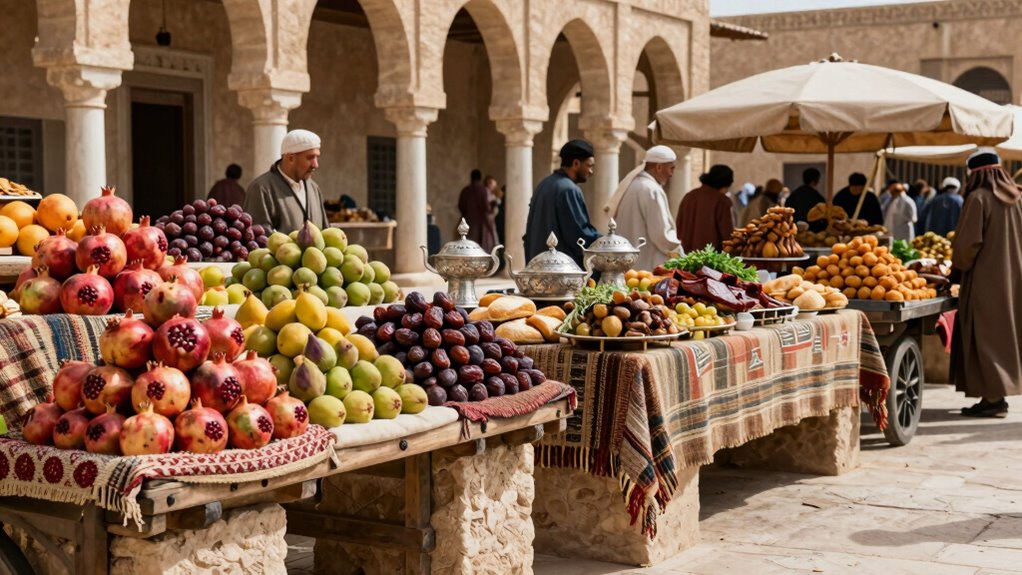
Have you ever wondered how the food we eat has shaped the rise and fall of empires? It’s more than just sustenance; it’s a powerful tool that influences politics, culture, and economic strength. Throughout history, agricultural innovation has played a crucial role in empowering civilizations to grow and expand. When societies develop new farming techniques, crop varieties, or irrigation methods, they increase food production. This surplus allows populations to flourish, armies to mobilize, and cities to thrive. For instance, innovations like the Chinese introduction of rice paddies or the Europeans’ adoption of crop rotation transformed their economies and military capabilities. When an empire masters agricultural innovation, it gains a competitive edge, fueling its dominance.
Agricultural innovations fueled empires’ growth, military strength, and economic power through surplus food and technological advancements.
But food’s influence isn’t limited to the fields. Culinary diplomacy is another way empires wielded their food to project power and foster alliances. By sharing or exchanging signature dishes, recipes, and ingredients, they built cultural bridges that reinforced political ties. Think of the Silk Road: it wasn’t just about trading silk but also spices, teas, and condiments that introduced new flavors and culinary practices across continents. These exchanges often served as soft power, helping empires legitimize their rule or create diplomatic relationships. For example, the Ottoman Empire’s coffee trade became a symbol of cultural exchange and diplomatic influence, spreading throughout Europe and the Middle East.
Food also had a strategic role during conflicts and invasions. Controlling key food supplies meant controlling populations and military movements. Empires that secured grain stores or control over fertile lands could sustain their armies longer and weaken their enemies. Conversely, shortages and famines could destabilize even the mightiest states, leading to revolts or the collapse of entire civilizations. The fall of the Roman Empire, for instance, was partly linked to disruptions in grain supplies from North Africa and the Middle East, which weakened the empire’s economic and military power. Additionally, the impact of agricultural innovation on food security often determined an empire’s resilience during times of crisis. Advances in food preservation techniques also allowed civilizations to store surplus food for longer periods, providing stability during droughts or sieges. Moreover, understanding crop diversification helped empires reduce their vulnerability to crop failures and adapt to changing climates. Agricultural trade networks further extended the reach of food resources, strengthening or challenging imperial dominance.
In essence, food was never just about nourishment; it was a tool of innovation and diplomacy that shaped the destiny of empires. Whether through agricultural breakthroughs or culinary exchanges, the way civilizations managed and shared their food resources played a fundamental role in their rise, expansion, and eventual decline. So next time you sit down to eat, remember—food’s history is intertwined with the stories of empires, power, and cultural exchange that continue to influence our world today.
food preservation techniques kit
As an affiliate, we earn on qualifying purchases.
As an affiliate, we earn on qualifying purchases.
Frequently Asked Questions
How Did Trade Routes Influence Food Distribution in Ancient Empires?
You see, ancient trade routes played a vital role in food distribution, allowing empires to access diverse resources. They facilitated the exchange of food products like spices, grains, and preserved items, which helped in food preservation and storage. By connecting distant regions, these routes guaranteed a steady food supply, boosting population growth and stability. This interconnected trade network ultimately strengthened empires and supported their expansion and longevity.
What Role Did Food Scarcity Play in Empire Collapses?
Food scarcity often triggered empire collapses because it limited dietary diversity, weakening populations and making them vulnerable to invasions and disease. When food preservation methods failed or crops failed, societies struggled to sustain their armies and citizens. This scarcity eroded social stability and economic strength, leading to decline. Ensuring food security and maintaining dietary diversity were vital for empire resilience and longevity, preventing the devastating effects of shortages.
How Did Agricultural Innovations Impact Empire Expansion?
You should know that agricultural innovations increased crop yields by up to 50%, fueling empire expansion. Advanced agricultural techniques like plowing and crop rotation allowed civilizations to produce surplus food, supporting larger populations and armies. Food preservation methods, such as drying and fermenting, extended food availability, enabling empires to sustain longer campaigns and settlements. These innovations directly contributed to the rapid growth and territorial expansion of powerful civilizations.
Did Culinary Practices Affect Diplomatic Relations Between Empires?
Culinary practices profoundly impacted diplomatic relations by serving as a form of cultural identity and fostering connections through culinary diplomacy. When empires shared or exchanged food, they built trust and understanding, breaking down barriers. You can see this in historic court banquets or diplomatic meals, where food became a symbol of goodwill. These culinary exchanges helped strengthen alliances and promoted peaceful interactions, illustrating how cuisine acts as a powerful tool in diplomacy.
Were Specific Foods Symbols of Power or Status in Empires?
Food often served as a crown jewel of power, with royal banquets and elite delicacies acting as symbols of authority and prestige. You can see how emperors used rare spices and luxurious dishes to showcase wealth, turning their tables into stages of dominance. These foods became more than sustenance—they signified social rank, reinforcing hierarchies. In this way, specific foods became potent symbols of power, elevating rulers above their subjects.
As an affiliate, we earn on qualifying purchases.
Conclusion
So, you see, food isn’t just about filling stomachs; it’s a powerful force shaping empires’ destinies. When you understand how access to and control of food can make or break a civilization, it’s clear that no empire is truly unstoppable. Remember, a chain is only as strong as its weakest link—if your food supply falters, so does your empire. In the end, food truly holds the key to rise and fall.
irrigation system for small farms
As an affiliate, we earn on qualifying purchases.
As an affiliate, we earn on qualifying purchases.
As an affiliate, we earn on qualifying purchases.
Halloween Picks
halloween
As an affiliate, we earn on qualifying purchases.