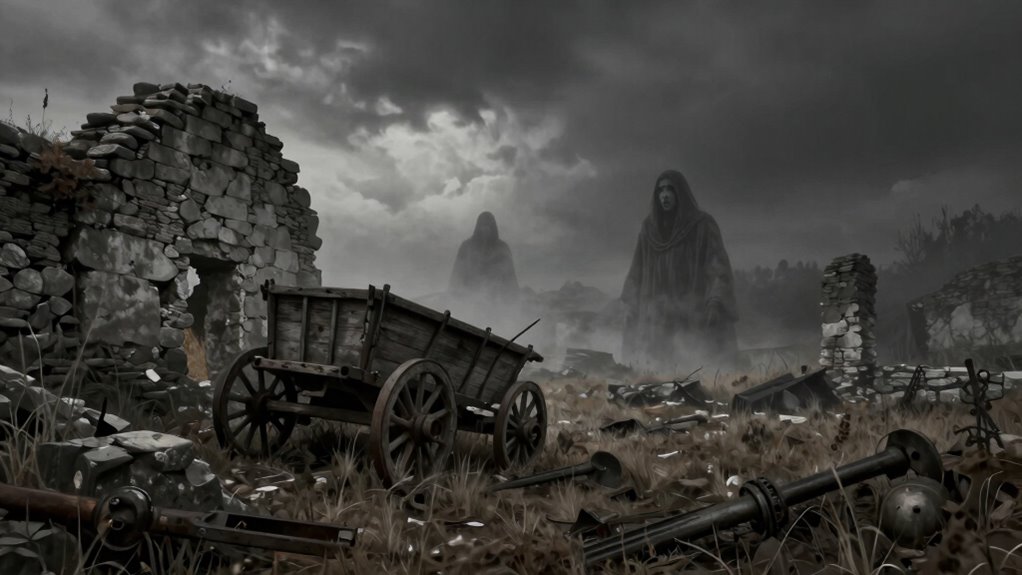

A “Dark Age” isn’t simply a time of chaos and decline. It’s often misunderstood as a period when knowledge was lost and societies fell apart, but in reality, it was a time of transformation and resilience. Societies experienced upheaval but also adapted, with regions like Byzantium and Persia continuing progress. This era laid foundations for future development, showing that even in times of turmoil, progress persisted. Keep exploring to uncover how this complex period shaped history.

Prime made for students and young adults
- Fast, free delivery for dorm and study essentials
- Prime Video and Amazon Music included
- Member-only deals
Key Takeaways
- The “Dark Age” often symbolizes a period of societal upheaval, decline, and loss of classical knowledge, but this view oversimplifies historical complexities.
- It was a time of transformation, with societies adapting through new governance, cultural resilience, and regional progress.
- The label emphasizes decline but overlooks advancements, knowledge preservation, and technological innovations in certain regions.
- The concept reflects misconceptions, as the period involved both setbacks and continuity, not total societal collapse.
- Recognizing the “Dark Age” as a transition highlights resilience, cultural shifts, and the groundwork for future development.
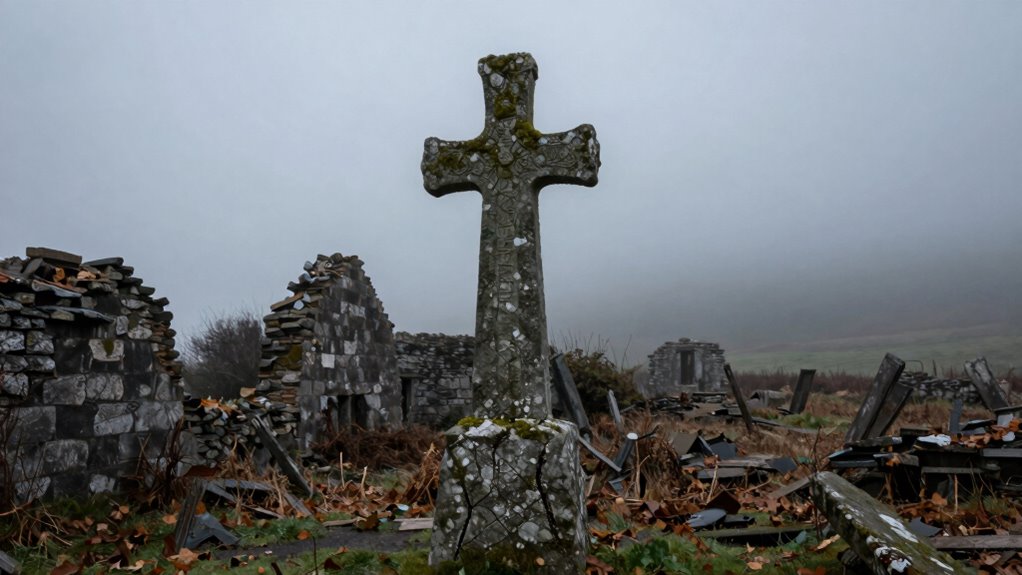
The term “Dark Age” often conjures images of chaos, decline, and lost knowledge, but history reveals a more nuanced picture. When you hear “Dark Age,” you might picture a time of medieval ignorance, societal collapse, and widespread disorder. While there’s some truth to the idea that certain regions faced setbacks, this label oversimplifies a complex period marked by both decline and resilience. It’s easy to imagine this era as a complete break from the achievements of the civilizations that came before, but in reality, it was more of a transformation than a total collapse.
During this time, many societies experienced upheaval—political instability, invasions, and economic decline. These factors contributed to what you might see as societal collapse, especially in Western Europe after the fall of the Roman Empire. Schools closed, literacy rates dropped, and much of the classical knowledge was temporarily lost or inaccessible. This medieval ignorance wasn’t universal, but it became a defining feature of the period’s narrative. Monasteries and some scholars preserved knowledge, but for the average person, education was limited, and understanding of science, philosophy, and arts waned. This decline in learning fueled the misconception of a “Dark Age,” where progress seemed halted.
Societies faced upheaval—schools closed, knowledge lost, and literacy declined, shaping the narrative of the so-called Dark Age.
However, framing the era solely as a time of darkness ignores the innovations and cultural shifts that happened. You should recognize that societies adapted to their circumstances—developing new forms of governance, forging stronger local communities, and laying groundwork for future advancements. The so-called societal collapse wasn’t total; rather, it was a redistribution of power and resources, often resulting in new social structures. In many regions, particularly in the Byzantine Empire, Persia, and parts of Asia, knowledge thrived and progress continued more visibly. Additionally, understanding that this period was not devoid of cultural resilience helps provide a more balanced view of history. Some scholars argue that the term “Dark Age” itself is a misleading label, as it tends to overlook the achievements made during this time.
Furthermore, recent research highlights that during this time, there was significant technological innovation, which laid important foundations for later progress. In essence, the “Dark Age” label stems from a limited perspective that emphasizes decline over resilience. It’s important to see this period as a time of *transition*—marked by setbacks but also by persistence. The idea of medieval ignorance and societal collapse is only part of the story. While some parts of Europe did experience chaos and loss, others preserved and even advanced knowledge. So, when you think of this era, remember it wasn’t solely darkness, but also a complex chapter of adaptation, survival, and transformation.
medieval knowledge preservation books
As an affiliate, we earn on qualifying purchases.
As an affiliate, we earn on qualifying purchases.
Frequently Asked Questions
How Long Did the Dark Age Typically Last in Different Regions?
You’ll find that the duration of the Dark Age varies due to regional variability. In Western Europe, it typically lasted from around 500 to 1000 AD, roughly 500 years, marked by medieval isolation and societal upheaval. In other regions, like the Byzantine Empire, it was shorter or less pronounced. Overall, the length depends on local historical events, making it hard to pin down a precise timeframe for the entire period.
Were There Any Positive Developments During the Dark Age?
Yes, there were positive developments during the dark age. You can see the early signs of a renaissance awakening, as some regions experienced a cultural revival and preserved classical knowledge. Monasteries became centers of learning, copying texts and maintaining traditions. These efforts laid the groundwork for later advancements, fostering a gradual shift from decline to renewal and highlighting that even in dark times, seeds of progress can flourish.
How Do Historians Define the End of a Dark Age?
Historians often mark the end of a dark age with signs of revived trade, literacy, and urban growth, signaling the conclusion of medieval decline and cultural stagnation. When literacy rates rise and new technologies emerge, it indicates a shift toward stability and progress. This change typically occurs around the 10th or 11th century, reflecting a move away from chaos toward renewed societal development.
Did the Dark Age Affect All Social Classes Equally?
You’ll find that the dark age didn’t affect all social classes equally. The cultural impact hit lower classes harder, as they faced more disruptions, less access to education, and fewer resources. Wealthier and noble classes often maintained some stability and preserved cultural practices. Social class disparities widened during this period, making it clear that the dark age’s effects varied considerably depending on your social standing and access to power and resources.
What Are Common Misconceptions About the Dark Age?
Many believe the dark age meant complete chaos and cultural collapse, but that’s a misconception. You might think it was a time of medieval ignorance and stagnation, but learning and innovation persisted in many areas. While some regions experienced decline, others thrived quietly. This period wasn’t uniformly dark; it was a complex chapter filled with continuity, change, and subtle progress, not just a blanket of darkness and despair.
byzantine empire history documentaries
As an affiliate, we earn on qualifying purchases.
As an affiliate, we earn on qualifying purchases.
Conclusion
So, next time you hear “Dark Age,” remember it’s not just about chaos or decline. While some see it as a period of stagnation, it also sparks innovation and transformation. Don’t dismiss these times as simply bleak—sometimes, darkness is where new ideas are born. Embrace the complexity, because history shows that even in darkness, humanity finds ways to adapt, grow, and ultimately, shine again.
ancient civilizations history books
As an affiliate, we earn on qualifying purchases.
As an affiliate, we earn on qualifying purchases.
historical research tools for students
As an affiliate, we earn on qualifying purchases.
As an affiliate, we earn on qualifying purchases.
Halloween Picks
halloween
As an affiliate, we earn on qualifying purchases.