
TL;DR

Prime made for students and young adults
- Fast, free delivery for dorm and study essentials
- Prime Video and Amazon Music included
- Member-only deals
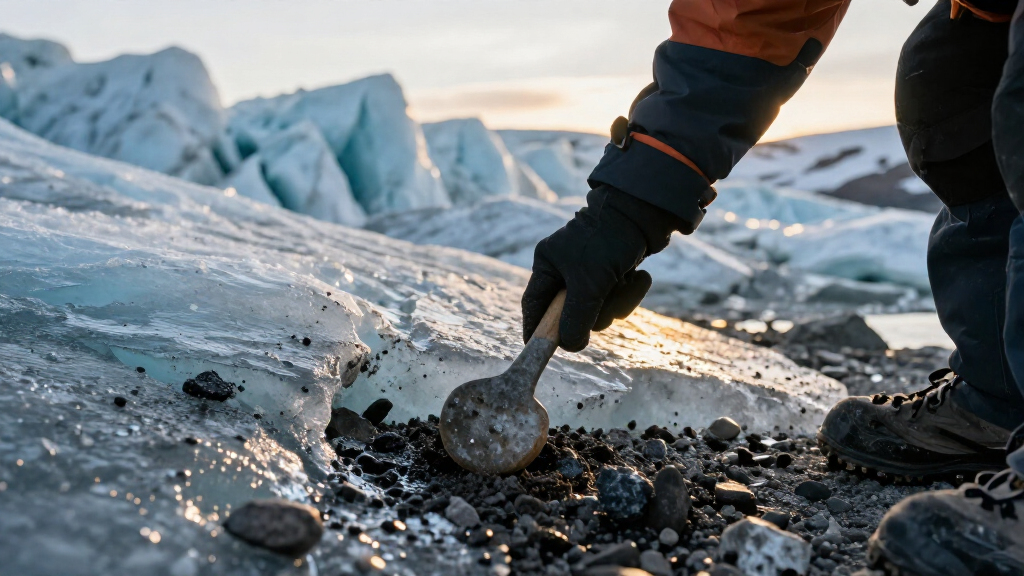
Archaeologists with Norway’s Secrets of the Ice project recovered 48 prehistoric arrows during this year’s fieldwork, including a slate arrow estimated to be 5,000 to 6,000 years old. The finds are emerging as ancient ice patches melt rapidly; researchers estimate most ice patches containing artefacts could disappear within 20 years.
Archaeologists working in Norway’s Jotunheimen mountains recovered 48 prehistoric arrows during this year’s fieldwork, including a slate arrow estimated to be 5,000 to 6,000 years old, as rapidly melting ice exposes artefacts from the Stone Age and Bronze Age. The discoveries add to a record of more than 100 arrowheads and shafts recovered over time from one ice patch, while researchers warn that most ice patches holding archaeological material could disappear within 20 years.
The finds were made by the Secrets of the Ice glacial archaeology project in Innlandet, eastern Norway. The project has spent 20 years recovering and preserving objects released as mountain ice patches shrink. Until recently, many of the recovered artefacts dated to the past 2,000 years, including objects from the Viking Age. The newly exposed material reaches much further back in time.
One of the oldest finds from the first expedition this year is an arrow with a slate head and shaft. Archaeologists estimated its age by comparing it with previously discovered arrows. Other finds include arrowheads made from bone and freshwater mussel shell; one shell arrowhead is estimated to be about 3,600 years old. The project has also recovered more recent iron arrowheads, estimated to be 1,000 to 1,500 years old.
Ice can preserve organic materials that would otherwise decay. Earlier work in the area has recovered evidence of reindeer hunting, along with clothing, shoes, skis and the remains of packhorses. Project leader Espen Finstad told Science Norway that the latest discoveries bring the total from a single ice patch to more than 100 arrowheads and shafts. Some newly found objects were already on display at the Norwegian Mountain Centre in Lom within days of their discovery.
A Race to Recover Ice-Bound Finds
The shrinking ice is exposing a record of human activity that has remained preserved for thousands of years. Arrows and other objects can help researchers study hunting practices and life in the mountains across different periods. The range of materials and ages also shows that people used these high-altitude landscapes over a long span of time.
But exposure creates a time-sensitive conservation problem. Once artefacts emerge from ice, materials such as wood, leather and textiles can deteriorate. The archaeological opportunity is linked directly to the loss of the conditions that preserved the objects. Researchers’ estimate that most artefact-bearing ice patches may be gone within two decades gives the work an urgent timetable, though it is an estimate rather than a precise forecast for each site.
Popular right now

Bose QuietComfort Ultra Wireless Noise-Cancelling Headphones with Spatial Audio, Black

Ninja DualZone 6-in-1 Air Fryer, 8-Qt, Grey, DZ801

Vitamix Propel Series 510 Professional-Grade Blender, 3 Programs, Black
As an affiliate, we earn on qualifying purchases.
Two Decades of Ice Archaeology
Secrets of the Ice has worked in the mountains of Innlandet for 20 years, documenting and recovering objects exposed along the edges of ice patches. Finds from earlier periods, including the Viking Age, have featured prominently in the project’s work. The latest arrow discoveries show that older material is now emerging as the ice retreats.
The team has carried out fieldwork at Langfonne, Storefonne and Hanklefonne, in the Kvittingskjølen mountain area of Jotunheimen. Archaeologists say the landscape has changed substantially: areas covered by ice in recent years are now ice-free, and some once-large patches have been reduced to small remnants. The project’s account describes this as a rapidly changing archaeological landscape.
“This year, we found 48 prehistoric arrows. That’s a lot.”
— Espen Finstad, leader of Secrets of the Ice, speaking to Science Norway
How Much Ice Remains
The estimate that most ice patches containing artefacts will disappear within 20 years comes from Finstad and his colleagues; the report does not give a site-by-site timetable or explain how the estimate was calculated. The rate of loss may differ among locations, and the area’s conditions can affect when artefacts become exposed and how quickly they deteriorate.
The age of the new slate arrow is also an archaeological estimate, based on comparison with earlier finds, rather than a directly reported date. The account does not provide a full inventory of all 48 arrows, their precise dates or the conservation plans for each object. Further discoveries and assessments could add detail.
More Surveys in Jotunheimen
Secrets of the Ice plans to continue fieldwork in the coming weeks, weather permitting. The team has already worked at Langfonne, Storefonne and Hanklefonne and is seeking artefacts exposed as the ice recedes. The report does not specify a closing date for the field season or how many sites will be surveyed next.
Researchers will also need to document, recover and preserve objects that are vulnerable after emerging from ice. Some finds have been put on display at the Norwegian Mountain Centre in Lom, but the project has not announced a complete exhibition or conservation schedule. Further field updates may clarify what has been recovered and how the affected ice patches are changing.
Key Questions
What did archaeologists find in Norway?
The team reported 48 prehistoric arrows from this year’s fieldwork, including a slate arrow with a shaft estimated to be 5,000 to 6,000 years old. Other arrowheads were made from bone and freshwater mussel shell.
Where were the artefacts recovered?
They were found at ice patches in the Kvittingskjølen mountain area of Jotunheimen, in Innlandet, eastern Norway. The team has worked at Langfonne, Storefonne and Hanklefonne.
Why are the finds emerging now?
The mountain ice patches are shrinking and melting, exposing objects that the ice had preserved. Once exposed, materials such as wood, leather and textiles can become vulnerable to damage.
How soon could the artefact-bearing ice disappear?
Project leader Espen Finstad and his colleagues estimate that most ice patches containing archaeological artefacts may disappear within 20 years. That is a broad estimate; the report does not give a separate timeline for each site.
What happens next for the archaeological team?
Secrets of the Ice plans more fieldwork in the coming weeks, weather permitting. The team will continue looking for and documenting artefacts exposed by melting ice.
Source: sciencenorway.no