🔍 Read the full analysis: 360 Judges Weigh In On Fake Precedents And AI In Korean Courts on ThorstenMeyerAI.com

Prime made for students and young adults
- Fast, free delivery for dorm and study essentials
- Prime Video and Amazon Music included
- Member-only deals
TL;DR
South Korea’s National Court Administration reported that judges surveyed had encountered nonexistent or distorted legal citations in court filings. The survey covered 360 judges, but its headline figure of about 80% applies to responding civil, family and administrative judges who answered that they had seen the problem—not to all respondents or all court filings.
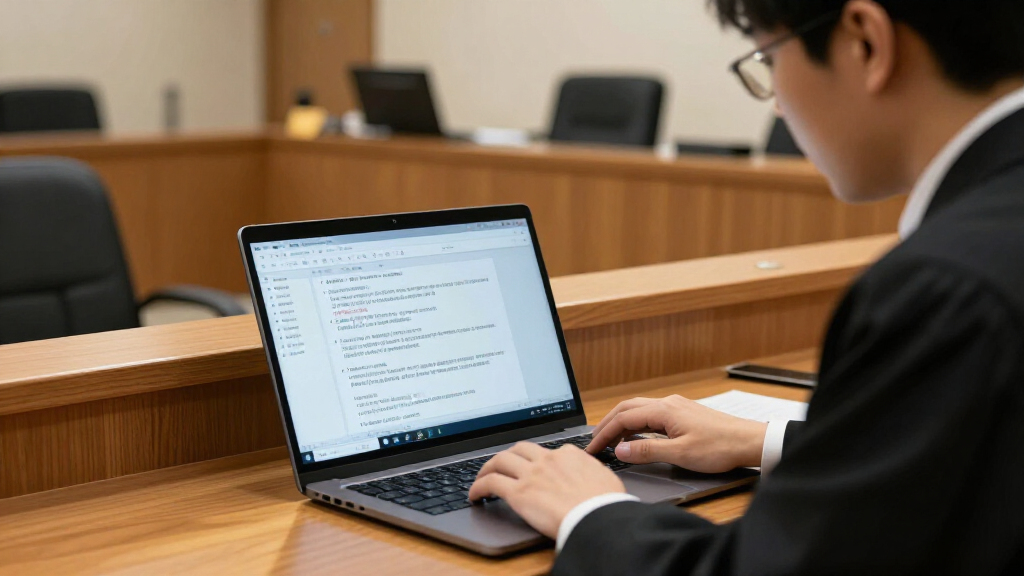
South Korea’s National Court Administration said a survey of 360 judges found widespread exposure to nonexistent or distorted legal citations in court filings, including material generated with artificial intelligence. The results, published November 2, also show strong support among respondents for formal measures addressing false citations and disclosure of AI use.
The survey asked judges from courts at all levels to report what they had encountered. Among responding judges handling civil, family and administrative cases, about 80% said they had seen false or nonexistent precedents cited. The court administration said fabricated citations can impose extra verification work on opposing parties and impede the timely progress of trials.
The denominator matters: the survey included 360 judges overall, while the roughly 80% figure refers to the relevant group of judges who responded to that question. South Korean newspaper Kyunghyang Shinmun reported that 243 of all 360 respondents—67.5%—said they had encountered fake citations. The administration’s release did not state that overall figure directly.
Among judges who reported encountering false citations, 196 (80.7%) identified precedents that did not exist, while 159 (65.4%) identified real precedents presented with false content. These were multiple-response questions. The survey also recorded false or nonexistent statutes and academic sources, at lower rates.
Pressure for Rules on Court Filings
The results point to a problem that can affect the reliability of legal submissions and the time courts spend checking them. A fabricated case citation can make an argument appear supported by precedent when no such ruling exists; a distorted account of a real decision can mislead readers about what the court held. The survey documents judges’ reported experience, however, not the share of filings containing errors or the number of cases delayed.
The administration said 91.7% of respondents favored an institutional response, with 64.8% describing one as very necessary. The most frequently selected proposals included a legal basis for fines, a duty to verify cited precedents and a duty to disclose AI use. The figures reflect judges’ preferences, not laws already in force or a final policy decision.
Responsibility was not limited to self-represented litigants. In the survey, 164 judges (69.5%) identified parties themselves as a source of false material, and 136 (57.6%) identified lawyers acting as representatives or defense counsel. The figures come from a question that allowed multiple answers, so they should not be treated as mutually exclusive groups.
Popular right now

Shark HydroVac MessMaster Cordless Wet Dry Vacuum and Mop Combo, AW261

Ninja Luxe Café Mini Plus Espresso and Drip Coffee Machine with AutoFroth, Stainless Steel (ES351)

Vitamix 5200 Professional-Grade Blender, 64 oz. Container, Black
As an affiliate, we earn on qualifying purchases.
What the Survey Recorded
The National Court Administration, the administrative arm of South Korea’s Supreme Court, conducted the survey from October 6 to 16, 2026, and published its findings on November 2. Its release said AI hallucinations can produce false or nonexistent precedents and create unnecessary verification burdens. The survey asked judges what they had seen; it did not count or independently audit court filings.
The administration described examples that included AI-generated judgments made to resemble Supreme Court decisions, unfamiliar reasoning paired with real Supreme Court case numbers, and real rulings quoted in ways that changed their meaning. It also cited filings containing chatbot conversation text or litigation-strategy wording that appeared to have been copied without editing.
A translation discrepancy in English coverage illustrates why checking the source matters. An English report by Yonhap, republished by The Korea Herald, described 164 judges as saying they themselves had cited false precedents. The Korean release instead identifies the litigants themselves as a source of false material. The survey does not say those judges admitted citing false cases.
Limits of the Judges’ Responses
The survey does not establish how often false citations appear across all filings, how many cases they affect or whether they change outcomes. It measures judges’ reported experience, not a systematic review of pleadings. The court administration’s release also did not say how many judges were invited, provide the exact wording of the questions or explain how respondents were selected.
The reported percentages use different respondent groups and question-specific denominators. The headline figure of about 80% is not a rate for all 360 judges, nor a rate for court documents. Nor do the results establish that every false citation was produced by AI; the examples included AI-generated material, but the survey figures cover false citations more broadly.
It is also unclear which proposals will become formal rules, when any legislative changes might be introduced, or what safeguards and penalties they would contain. The survey records judges’ views, not an enacted requirement to disclose AI assistance.
Possible Procedural Law Changes
The National Court Administration said it plans to propose amendments to South Korea’s Civil and Criminal Procedure Acts that would provide a legal basis for fines. The survey also records support for verification duties and disclosure of AI use, but the release does not establish whether those proposals will be included in legislation or adopted.
Any next step depends on the administration’s proposal and subsequent legislative action. Until details are published, the scope of penalties, verification obligations and AI disclosures remains unsettled. Further reporting should distinguish a proposed measure from a rule that has taken effect.
Key Questions
What did South Korea’s judges report?
The National Court Administration said responding judges had encountered nonexistent precedents and real rulings cited with false content, among other forms of inaccurate legal material.
Does the 80% figure apply to all 360 judges?
No. The roughly 80% figure applies to responding civil, family and administrative judges who answered that they had seen false or nonexistent precedents. Kyunghyang Shinmun reported that 243 of all 360 respondents, or 67.5%, had encountered fake citations.
Did the survey prove that AI caused every false citation?
No. The administration pointed to AI hallucinations as a source and described AI-generated examples, but the survey covered false citations in general and did not attribute every instance to AI.
What rules could follow?
The administration said it plans to propose changes to the Civil and Criminal Procedure Acts to allow fines. Judges also supported citation-verification duties and disclosure of AI use, but no such rules are established by the survey itself.
Source: ThorstenMeyerAI.com