
TL;DR

Prime made for students and young adults
- Fast, free delivery for dorm and study essentials
- Prime Video and Amazon Music included
- Member-only deals
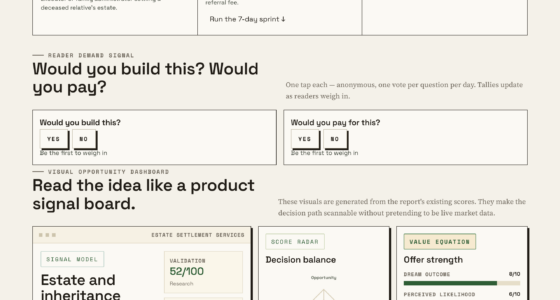
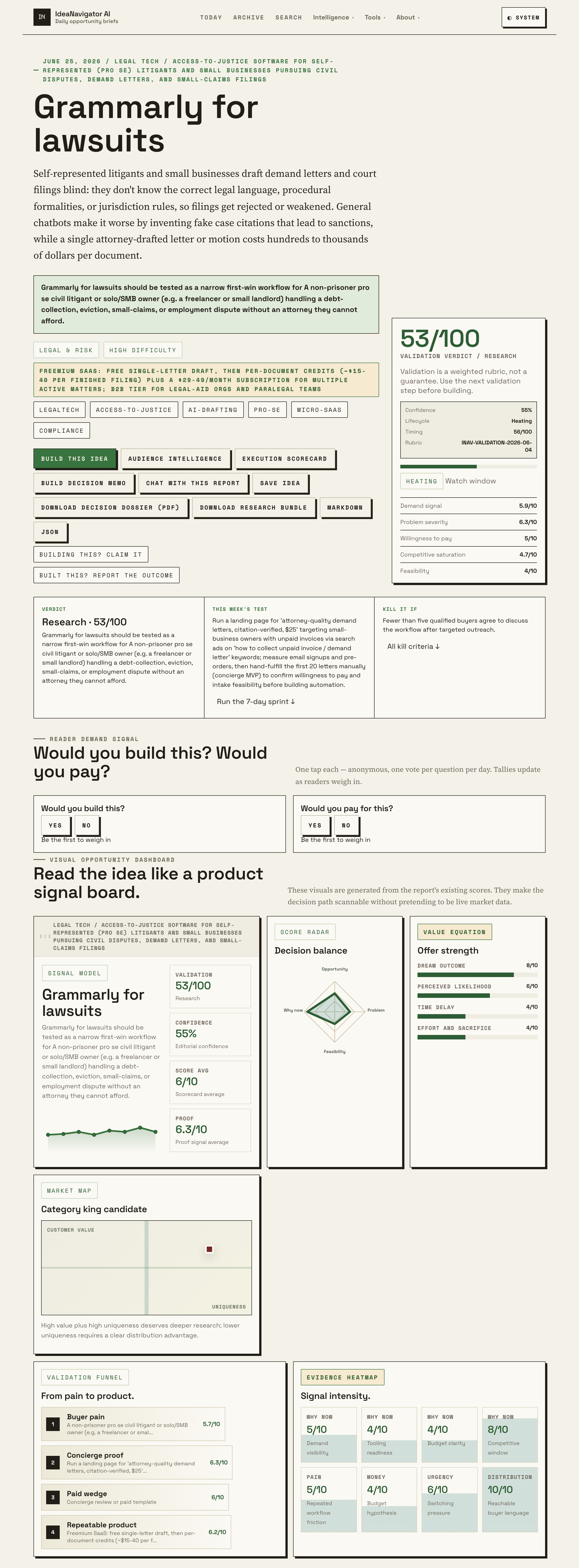
A new web app aims to help pro se litigants and small businesses draft legally accurate small-claims filings by verifying citations and formatting. It addresses the high rejection rate of court documents due to errors and hallucinated citations from AI tools. The platform offers a free draft with paid verification, targeting improved access to justice.
A new AI-driven web application is in development to assist self-represented litigants and small business owners in drafting accurate and court-ready small-claims filings. The tool aims to verify legal citations, ensure proper formatting, and reduce the rejection rate of court documents caused by errors and hallucinated citations, addressing a significant challenge faced by pro se litigants.
The platform, currently in development, will guide users through a structured intake process covering parties, amounts, contract facts, and jurisdiction. It will then generate a formatted demand letter or small-claims statement, applying a verification layer similar to Grammarly’s grammar checks but focused on legal accuracy. This includes cross-referencing cited statutes and case law against a real legal database to eliminate hallucinated or incorrect references, which are increasingly common with AI tools flooding courts with erroneous citations.
According to an anonymous researcher involved in the project, the system will flag weak or missing legal elements and produce a document ready for e-signature and filing. The initial version targets small-business owners pursuing unpaid invoices or landlords handling eviction or debt collection, with plans to expand to other civil dispute types. The startup plans to offer a freemium model: a free draft with optional paid verification services, costing approximately $15-40 per document, and a subscription tier for ongoing matters. The goal is to improve access to accurate legal documents without the high costs of hiring attorneys for simple filings.
Impact on Small-Claims Litigation Accuracy
This development could significantly improve the quality of filings submitted by self-represented litigants, reducing rejections and sanctions caused by citation errors or procedural mistakes. As roughly 60% of civil cases in the U.S. involve pro se parties, and with courts increasingly overwhelmed by AI-generated hallucinations, a verification-focused drafting tool addresses a critical need for accessible, reliable legal document preparation. It may also lower costs for small businesses and individuals, making justice more attainable and reducing the burden on courts.
Popular right now

Vitamix 5200 Professional-Grade Blender, 64 oz. Container, Black
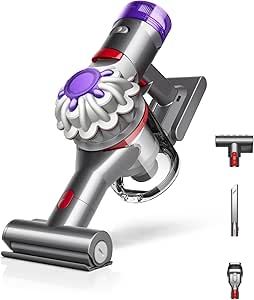
Dyson Car+Boat Cordless Handheld Vacuum

Dyson Ball Animal 3 Extra Upright Vacuum
As an affiliate, we earn on qualifying purchases.
Rise of AI Errors in Civil Court Filings
Over the past few years, courts have seen a surge in filings prepared by AI tools, many containing hallucinated citations or procedural inaccuracies. Studies indicate that AI-generated legal references are responsible for a growing number of sanctions and case dismissals, especially among pro se litigants who lack legal training. With approximately 27% of federal civil cases involving self-represented parties from 2000 to 2019, the need for tools that ensure citation accuracy and proper formatting has become urgent. Current solutions like general chatbots often produce unreliable references, emphasizing the need for a specialized, verification-first approach.
While the technology is still in development, this initiative represents a targeted effort to bridge the gap between AI assistance and court standards, aiming to make legal document drafting more reliable for non-lawyers.
“This tool will help reduce the high rejection and sanction rates caused by citation errors and procedural mistakes among pro se litigants.”
— an anonymous researcher
Unconfirmed Details About Platform Capabilities
It is not yet clear how comprehensive the verification process will be or how effectively it will prevent hallucinated citations in practice. The final user interface, integration with legal databases, and actual accuracy rates remain to be demonstrated upon launch. Additionally, the extent to which courts will accept filings generated by this tool is still uncertain, as procedural and jurisdictional variances may pose challenges.
Next Steps for Development and Adoption
The startup plans to launch a pilot version in late 2024, offering free drafts to early users and legal aid organizations for testing. They will gather feedback on accuracy and usability, refine citation verification, and develop educational materials for users. Following initial testing, they intend to expand the platform’s capabilities to cover broader types of civil filings and increase integration with court systems. Success will depend on user adoption, court acceptance, and ongoing accuracy improvements.
Key Questions
How will the platform verify legal citations?
The platform will cross-reference citations against a real legal database to ensure accuracy and eliminate hallucinated or incorrect references, similar to grammar checking in Grammarly.
Who is the target user for this tool?
It is designed primarily for self-represented litigants, small-business owners, landlords, and others handling civil disputes without legal representation.
Will courts accept filings generated by this platform?
This remains uncertain and will depend on court standards and acceptance of AI-verified documents. The platform aims to produce court-ready, properly formatted filings.
What is the cost for using this service?
The initial offering will include a free draft, with paid verification services costing approximately $15-40 per document. Subscription options for ongoing matters are also planned.
When will the platform be available for public use?
The startup expects to launch a pilot version in late 2024, with broader availability following testing and refinement phases.
Source: IdeaNavigator AI