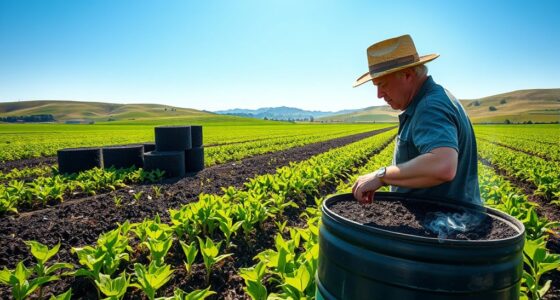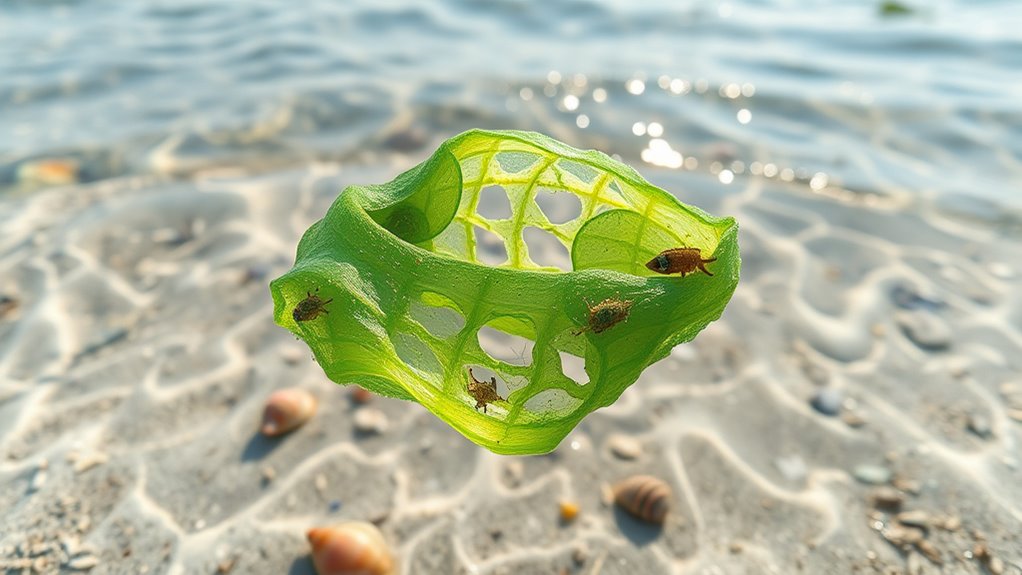

A new plant-based plastic now fully biodegrades in ocean waters within months, providing a promising way to cut plastic pollution. Made from renewable resources like cornstarch or sugarcane, this eco-friendly material breaks down much faster than traditional plastics, which can linger for centuries. By reducing long-term waste and microplastics in marine environments, it helps protect marine life and ecosystems. Keep exploring to discover how this innovative solution can make a real difference.
Key Takeaways
- Newly developed plant-based plastics are engineered to biodegrade completely within a few months in ocean environments.
- These biodegradable plastics are made from renewable resources like cornstarch and sugarcane.
- They break down faster than traditional plastics, significantly reducing marine debris over time.
- The rapid degradation helps minimize harm to marine life caused by plastic ingestion and entanglement.
- Adoption of such materials supports sustainable waste management and reduces long-term ocean pollution.

Recent research shows that plant-based plastics can biodegrade in ocean environments, offering a promising solution to plastic pollution. If you’ve ever seen the vast amounts of marine waste cluttering beaches or drifting in the sea, you know how pressing the issue is. Traditional plastics, which take hundreds of years to break down, threaten marine life and disrupt ecosystems. But with these new biodegradable options, you might be looking at a game-changer that could considerably reduce the ecological impact of plastic waste in our oceans.
When you consider the ecological impact of marine waste, it’s clear that plastics don’t just sit inertly; they break into microplastics, which fish and other marine creatures mistake for food. These tiny fragments accumulate in the food chain, eventually reaching humans. The persistence of conventional plastics in ocean environments means that marine life faces ongoing health risks, including entanglement, ingestion, and habitat destruction. Now, imagine if you could help reduce this threat by choosing products made from plant-based plastics that fully biodegrade within months. This shift could lessen the amount of persistent waste floating in the oceans and improve overall marine health.
What makes these plant-based plastics so effective is their composition. Derived from renewable resources like cornstarch, sugarcane, or other agricultural waste, they are designed to break down quickly when exposed to natural environmental conditions. Unlike traditional plastics, which can linger for centuries, these biodegradable plastics are engineered to degrade within a few months, markedly cutting down the timeframe during which marine waste accumulates and causes harm. Additionally, adopting such materials can help mitigate deforestation, which is often linked to the production of conventional plastics and other materials harmful to ecosystems. If you’re concerned about the ecological impact, adopting products made from such materials means you’re actively helping to reduce the long-term damage caused by persistent plastic debris in marine environments.
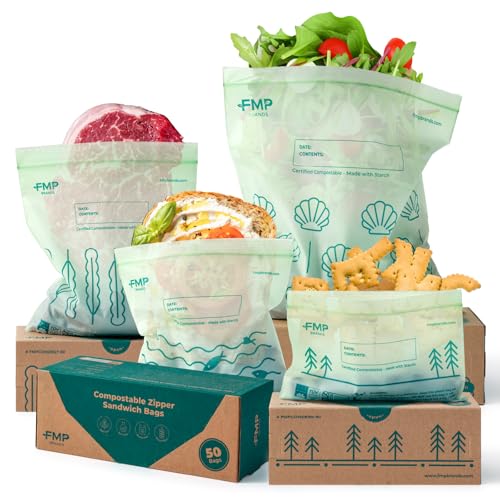
Fit Meal Prep 100% Compostable Food Storage Bags Set, Resealable Bags Plant-Based Freezer Bag for Food, ASTM D6400, US BPI & EU OK Compost Certified
100% Compostable Resealable Bags: Our reusable freezer bags are made from plant materials, making them an eco-friendly alternative…
As an affiliate, we earn on qualifying purchases.
As an affiliate, we earn on qualifying purchases.
Frequently Asked Questions
Is the New Plastic Safe for Marine Life During Degradation?
Yes, the new plant-based plastic is designed to be safe for marine life during degradation. You can trust that its degradation effects won’t harm marine safety, as it breaks down into natural, non-toxic components within months. This minimizes pollution and reduces risks for aquatic ecosystems. By choosing this plastic, you help protect marine environments and support sustainable practices that prioritize the health of our oceans.
Can This Biodegradable Plastic Be Recycled Like Traditional Plastics?
You can’t recycle this biodegradable plastic like traditional plastics because it faces recycling challenges. Its composition and rapid biodegradation mean it doesn’t hold up well in recycling processes. However, it offers reuse potential before disposal, encouraging you to minimize waste by reusing items when possible. This plastic’s main benefit lies in reducing environmental impact, but for recycling, you’ll need to follow specific disposal guidelines to guarantee it breaks down properly.
What Are the Environmental Impacts of Producing This Plant-Based Plastic?
Producing this plant-based plastic impacts the environment by reducing marine pollution and plastic waste, but it still requires agricultural resources, which can lead to land use changes and water consumption. While it’s more eco-friendly, its production may contribute to greenhouse gases and other environmental issues. You should consider these factors when evaluating its overall sustainability, as it aims to lessen plastic waste’s harmful effects on oceans and ecosystems.
How Does the Cost Compare to Conventional Plastics?
You’ll find that the cost comparison between this plant-based plastic and conventional plastics varies. Typically, production expenses are higher for plant-based options due to raw material costs and newer manufacturing processes. However, as technology advances and demand increases, prices may decrease. While initially more expensive, investing in environmentally friendly plastics can save costs long-term by reducing environmental cleanup and health-related expenses.
Is This Plastic Effective for Long-Term Packaging Solutions?
This plastic isn’t ideal for long-term packaging because its biodegradation timeline is quick, degrading in just a few months in the ocean. Its plastic durability isn’t designed for extended use, so it may not withstand the wear and tear of traditional packaging. If you’re seeking durable, long-lasting options, this plant-based plastic may fall short, but it’s excellent for reducing environmental impact when short-term use suffices.

Let's Investigate Plastic Pollution: On Land and in the Oceans (Get Started with STEM)
As an affiliate, we earn on qualifying purchases.
As an affiliate, we earn on qualifying purchases.
Conclusion
Imagine a future where your choices help nurture our oceans, allowing new plant-based plastics to gently return to nature within months. This innovation offers a promising path toward reducing environmental worries, softly guiding us to a cleaner, healthier planet. By embracing such eco-friendly options, you become part of the story where our oceans can breathe easier and life continues to flourish beneath the waves. It’s a subtle, hopeful step toward harmony with nature’s gentle rhythms.
![100% Compostable Cutlery Set - 300 Pieces Wooden Compostable Utensils [120 Forks, 90 Knives, 90 Spoons] - Disposable Wooden Cutlery, Eco Friendly Forks And Spoons Disposable Cutlery Set Party Utensils](https://m.media-amazon.com/images/I/512nTQC4H0L._SL500_.jpg)
100% Compostable Cutlery Set – 300 Pieces Wooden Compostable Utensils [120 Forks, 90 Knives, 90 Spoons] – Disposable Wooden Cutlery, Eco Friendly Forks And Spoons Disposable Cutlery Set Party Utensils
As an affiliate, we earn on qualifying purchases.
As an affiliate, we earn on qualifying purchases.

Reusable Beeswax Wrap – 9 Pack Beeswax Wraps for Food, Eco-Friendly Beeswax Food Wraps, Bread Sandwich Wrapper – Organic, Sustainable, Zero Waste, Reusable Plastic-Free Food Storage Wrap, 1XL, 3M, 5S
【NATURAL ECO-FRIENDLY INGREDIENTS】: Our Reusable Beeswax Wrap are made from Organic cotton, Organic jojoba oil, Natural Harvest beeswax,…
As an affiliate, we earn on qualifying purchases.
As an affiliate, we earn on qualifying purchases.