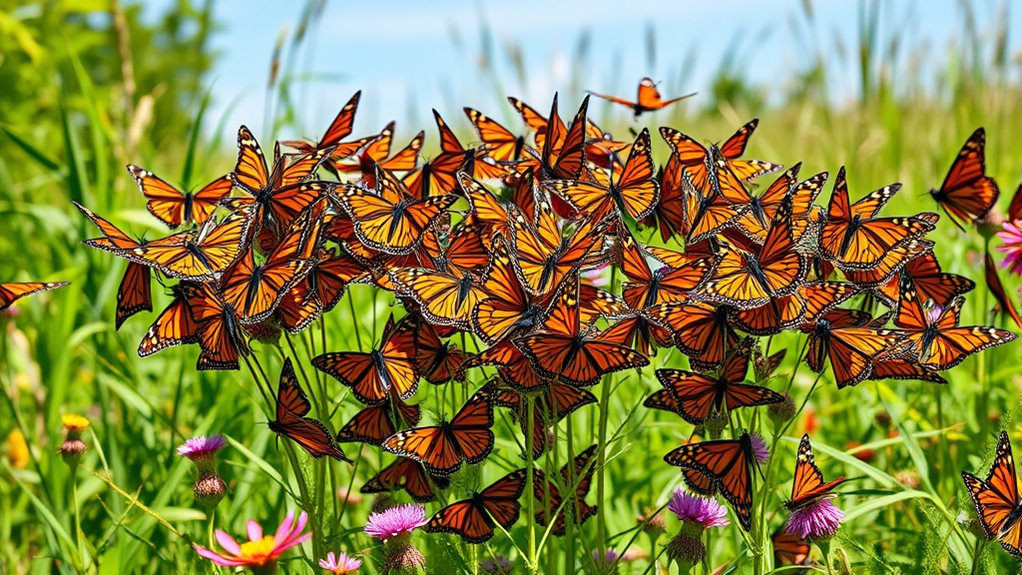

Recent international protection efforts and conservation initiatives have helped monarch butterfly populations start to recover. By restoring native milkweed and limiting pesticide use, communities and policymakers create essential habitats for breeding and migration. These actions, along with supportive organizations and habitat restoration projects, show positive signs of population rebound. If you want to find out more about how these efforts are making a difference, there’s plenty of encouraging progress to explore.
Play games included with Prime
Start a Prime free trial and play with Amazon Luna on your devices.
As an affiliate, we earn on qualifying purchases.
Key Takeaways
- International protection efforts have led to increased monarch sightings and signs of population recovery.
- Habitat restoration programs, including planting native milkweed, support breeding and migration success.
- Pesticide regulation reduces habitat destruction, aiding monarch survival and population rebound.
- Community and organizational initiatives create critical habitats and promote conservation awareness.
- Policy changes and habitat restoration collectively contribute to the monarch butterfly population recovery.

After years of decline, monarch butterfly populations are showing signs of recovery, thanks to dedicated conservation efforts and habitat restoration. You might not realize it, but your actions can directly influence these efforts. Restoring native milkweed, their primary breeding plant, is crucial. Habitat restoration involves planting milkweed in urban and rural areas, creating corridors that support monarch migration and breeding. When you participate in community planting projects or even create milkweed patches in your yard, you help rebuild the critical habitats that monarchs depend on for survival. Restoring these habitats ensures that caterpillars have enough food and that adults have safe stopover sites during their long migrations. Additionally, increasing awareness about the monarch’s dependence on specific plants highlights the importance of habitat diversity for their resilience.
Alongside habitat restoration, pesticide regulation plays a key role in helping monarch populations recover. Pesticides, especially neonicotinoids and herbicides like glyphosate, have historically decimated milkweed and other native plants, reducing the available habitat for monarchs. By advocating for stricter pesticide regulation, you help limit the use of harmful chemicals that threaten butterfly survival. Governments and environmental groups are now implementing policies that restrict pesticide applications during migratory periods and in key breeding areas, giving monarchs a safer environment to thrive. Your support for these regulations can influence policymakers to prioritize pollinator protection, ensuring that pesticide use is carefully managed to minimize ecological damage.
The combined effort of habitat restoration and pesticide regulation creates a more sustainable environment for monarchs. You can get involved by supporting organizations that promote monarch conservation, participating in local clean-up and planting initiatives, or even lobbying for tighter pesticide controls. Each action helps expand and preserve the habitats essential for monarchs’ life cycle. As populations begin to rebound, you’ll see more of these striking butterflies in gardens, parks, and wild areas, a proof of the positive impact of concerted conservation measures.
monarch butterfly milkweed planting kit
As an affiliate, we earn on qualifying purchases.
As an affiliate, we earn on qualifying purchases.
Frequently Asked Questions
How Do Monarch Butterflies Navigate During Migration?
During migration, you can think of monarch butterflies steering by using strong navigational cues and migration tracking. They rely on the sun’s position to guide them, adjusting with the time of day. Additionally, they sense Earth’s magnetic field and observe landscape features to stay on course. These cues help them find their way over long distances, ensuring they reach their breeding and wintering grounds successfully.
What Plants Are Essential for Monarch Butterfly Larvae?
Plant plenty of milkweed, your monarch’s must-have meal. Milkweed’s crucial for monarch larvae, serving as their primary larval host plant. These plants provide essential nutrients and toxic compounds that help larvae develop and defend against predators. Without milkweed, monarchs can’t complete their lifecycle. So, prioritize planting milkweed to promote healthy, thriving monarch populations and guarantee these beautiful butterflies continue their marvelous migrations.
How Does Climate Change Impact Monarch Migration Patterns?
Climate change effects markedly alter monarch migration timing, causing butterflies to arrive earlier or later than usual. Warmer temperatures can disrupt traditional cues, leading to mismatches in migration schedules and food availability. You might notice monarchs struggling to reach breeding grounds or facing harsher conditions along their routes. These changes threaten their survival, emphasizing the need for ongoing conservation efforts to help adapt to shifting climate patterns and protect their migration.
Are There Differences in Monarch Populations Across Continents?
You might think monarch populations are the same worldwide, but they actually vary across continents. In North America, conservation efforts and migration tracking have helped stabilize numbers, while some regions in South America and Australia face challenges. Differences stem from local habitats and protection policies. To understand these variations, supporting monarch conservation and migration tracking initiatives is essential, as they reveal how populations adapt and recover in diverse environments.
What Are the Main Predators of Monarch Butterflies?
You should know that monarch butterfly predators include birds, spiders, and certain insects like wasps. These predators, known as monarch butterfly predators, often hunt caterpillars and adult butterflies. To protect these butterflies, efforts in monarch predator control focus on reducing predator populations and creating safe habitats. By understanding and managing these threats, you help guarantee monarchs can thrive and continue their essential role in ecosystems.
native milkweed seeds for butterfly garden
As an affiliate, we earn on qualifying purchases.
As an affiliate, we earn on qualifying purchases.
Conclusion
Imagine holding a delicate butterfly in your hand, feeling its fragile wings beat with renewed hope. Thanks to international protection efforts, monarch populations are bouncing back—rising from just 2.9 hectares of habitat in 2020 to over 7 hectares in 2023. Your actions can be like that gentle touch, helping these incredible creatures flourish once more. Together, we’re turning their story of decline into one of resilience and renewal.
monarch butterfly habitat restoration kit
As an affiliate, we earn on qualifying purchases.
As an affiliate, we earn on qualifying purchases.
pollinator-friendly garden plants
As an affiliate, we earn on qualifying purchases.
As an affiliate, we earn on qualifying purchases.
Fall yard work Picks
leaf blowers
As an affiliate, we earn on qualifying purchases.