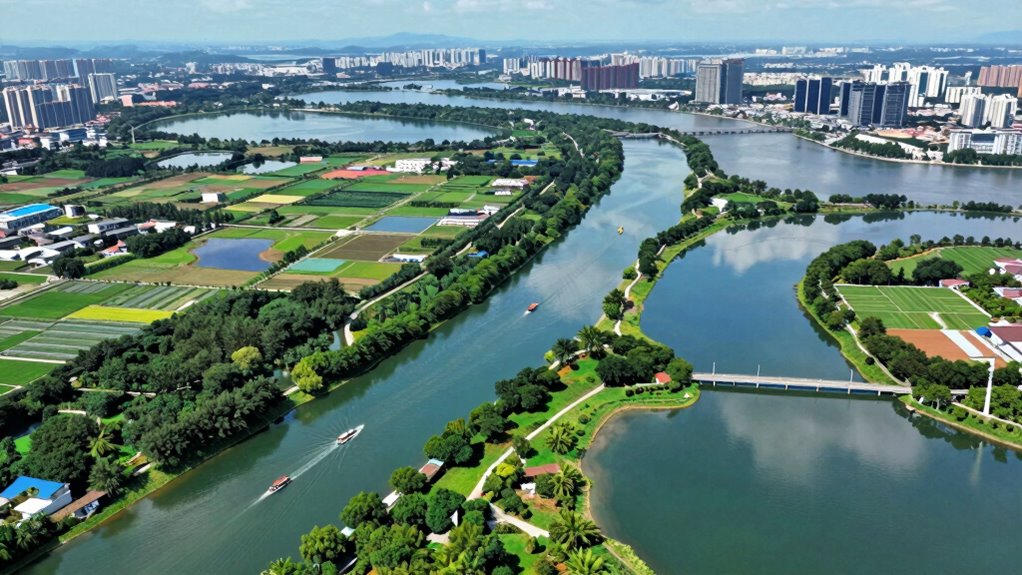

Water systems connect cities, farms, and wild places through a network of managed recharge, recycling, and distribution. You support aquifer replenishment by using advanced techniques to add water back into underground reservoirs. This helps sustain groundwater levels, ensuring farmers get enough water for irrigation and cities have safe drinking sources. Natural flow from rivers and rain also plays a role. If you explore further, you’ll discover how integrated management strategies keep these essential connections strong and reliable.

Prime made for students and young adults
- Fast, free delivery for dorm and study essentials
- Prime Video and Amazon Music included
- Member-only deals
Key Takeaways
- Water systems facilitate the movement and distribution of water from natural sources to urban, agricultural, and ecological areas.
- Groundwater recharge supports farms and ecosystems by maintaining underground water reserves for irrigation and habitat needs.
- Recycling treated surface water ensures a sustainable water supply for cities, farms, and natural environments.
- Integrated management strategies coordinate water use across sectors, promoting resilience amid climate and demand changes.
- Aquifer recharge and natural percolation connect surface water, groundwater, and ecosystems, sustaining diverse water-dependent communities.
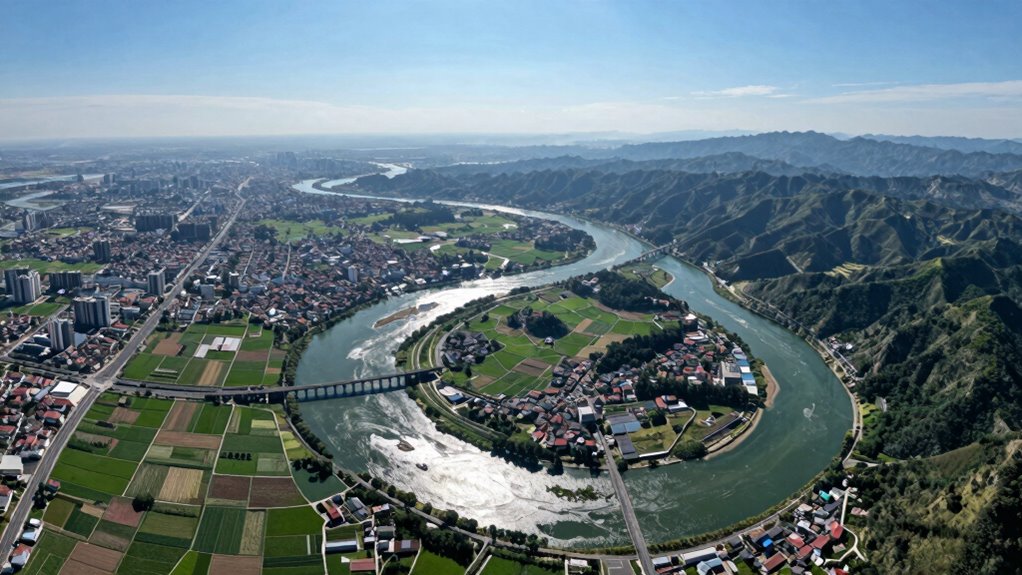
Have you ever wondered how water moves seamlessly between cities, farms, and wild landscapes? It’s a complex network that relies on carefully managed systems to guarantee water reaches where it’s needed most. Central to this process are aquifer recharge and water recycling, two essential techniques that keep the cycle flowing smoothly. Aquifer recharge involves adding water back into underground reservoirs, helping to replenish the groundwater sources that supply wells and springs. When you think about how cities depend on groundwater for drinking water or how farms irrigate crops, you realize that maintaining these underground stores is indispensable. Managed recharge can involve methods like injecting treated surface water into aquifers or allowing natural percolation from rivers and rain to seep into the ground. This process not only sustains water availability during dry seasons but also prevents land subsidence and maintains ecological balance. Additionally, groundwater management plays a vital role in ensuring the long-term sustainability of these underground reservoirs. Properly managing the recharge process also involves monitoring aquifer levels to prevent overextraction and depletion. Understanding how these water management techniques operate is crucial for safeguarding water resources now and in the future. Implementing innovative recharge methods can further enhance the resilience of water systems amid climate change challenges. Effective integrated water management strategies can help coordinate these techniques for more resilient water systems.
water recycling systems for home
As an affiliate, we earn on qualifying purchases.
As an affiliate, we earn on qualifying purchases.
Frequently Asked Questions
How Do Water Systems Adapt to Climate Change Impacts?
You can enhance water systems’ climate resilience by adopting adaptive management strategies, which allow you to adjust operations as conditions change. This involves monitoring climate impacts, like droughts or floods, and modifying water use, storage, and conservation practices accordingly. By staying flexible and proactive, you help guarantee a reliable water supply despite climate challenges, protecting cities, farms, and wild places that depend on these essential systems.
What Are the Costs of Maintaining Large-Scale Water Infrastructure?
Maintaining large-scale water infrastructure costs a lot, especially as water scarcity worsens and climate impacts challenge resilience. You’ll need ongoing investments for repairs, upgrades, and technology to handle droughts or floods. These costs include building and maintaining dams, pipes, and treatment plants. Plus, you must guarantee infrastructure stays resilient against extreme weather, which increases expenses but is essential for reliable water access across cities, farms, and wild places.
How Do Water Systems Prevent Contamination Across Different Regions?
Water systems ward off woes with rigorous water purification and contamination prevention protocols. You guarantee safe supply by regularly testing water quality, maintaining sealed pipelines, and employing advanced filtration technologies. These measures minimize the risk of pollutants crossing regions, protecting both urban and rural areas. Consistent monitoring, meticulous maintenance, and strategic separation of sources keep contamination at bay, ensuring clean, safe water flows freely across diverse regions.
What Role Do Policies Play in Water Rights and Access?
Policies shape water rights and access regulations, ensuring fair distribution and sustainable use. You’re affected by laws that determine who can use water and how much they can take, which helps prevent overuse or conflicts. These policies also protect wild places and farms by setting rules for equitable access. When governments update or enforce water policies, they help balance urban needs, agricultural demands, and ecological health, ensuring everyone’s needs are considered.
How Is Water Quality Monitored in Interconnected Systems?
You monitor water quality in interconnected systems by regularly testing for contaminants using water filtration techniques and adhering to strict quality standards. You collect samples from various points, analyze them in labs, and track parameters like pH, bacteria, and chemicals. This process guarantees that water remains safe and clean for cities, farms, and wild places, helping you maintain public health and ecological balance across the entire network.
As an affiliate, we earn on qualifying purchases.
Conclusion
You might wonder if water systems truly connect all parts of our world. The truth is, they do more than just supply water—they shape ecosystems, support agriculture, and sustain cities. Some say water’s flow is like a hidden thread weaving everything together. By understanding this, you see how crucial it is to protect and manage these systems wisely. After all, our shared future depends on keeping this delicate balance intact.
As an affiliate, we earn on qualifying purchases.
As an affiliate, we earn on qualifying purchases.
Fall Picks
fall essentials
As an affiliate, we earn on qualifying purchases.