
You’ll find some ecosystems recover faster because they have higher biodiversity, which boosts resilience and helps bounce back more quickly. Human efforts like habitat restoration and species reintroduction also play a big role in speeding up recovery. Favorable environmental conditions, such as good climate and resources, support faster healing too. When disturbances are less severe, recovery happens more rapidly. To explore how these factors interact and how you can influence recovery, keep exploring further.

Prime made for students and young adults
- Fast, free delivery for dorm and study essentials
- Prime Video and Amazon Music included
- Member-only deals
Key Takeaways
- Ecosystems with higher biodiversity and functional redundancy recover more quickly.
- Effective habitat restoration accelerates recovery, especially when invasive species are controlled.
- Favorable environmental conditions, like adequate rainfall and stable temperatures, promote faster regeneration.
- Ecosystems with less severe disturbances and active human interventions tend to recover sooner.
- Presence of keystone and native species facilitates quicker stabilization and ecosystem resilience.
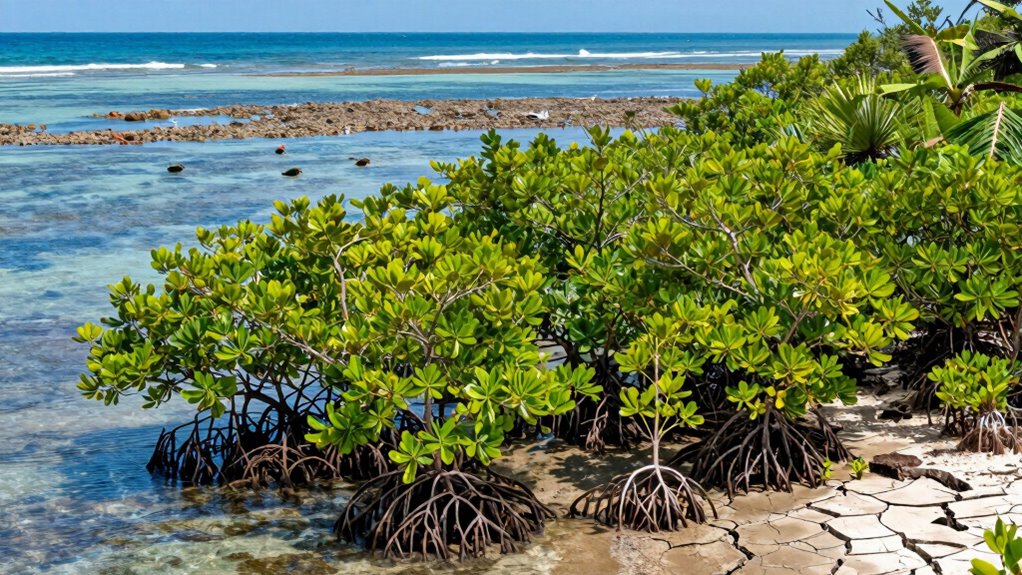
Have you ever wondered how ecosystems bounce back after damage or disturbance? It’s a fascinating process, and the speed of recovery can vary widely from one environment to another. Several factors influence this, with species reintroduction and habitat restoration playing key roles. When an ecosystem is disturbed—whether by natural events like wildfires or human activities such as deforestation—rebuilding its complex web of life isn’t always straightforward. If the original species are still present or can be reintroduced, recovery tends to be faster. Species reintroduction involves bringing back native plants and animals that once thrived in the area, helping to restore ecological balance more quickly. This process jumpstarts natural processes, encourages biodiversity, and stabilizes the habitat faster than waiting for new species to naturally colonize the area.
Ecosystem recovery speeds up when native species are reintroduced and habitats are restored efficiently.
Habitat restoration is another essential factor. When humans intervene to repair damaged environments—such as planting native vegetation, controlling invasive species, or rebuilding wetlands—the ecosystem can recover at a quicker pace. Restoring habitats offers the vital resources, shelter, and food sources that native species need to survive and reproduce. The more effective the habitat restoration, the more resilient the ecosystem becomes, and the faster it can regain its previous functions. Conversely, ecosystems with severely degraded habitats or heavily invasive species often take longer to recover because these challenges hinder the natural regeneration process. Additionally, the presence of ecological resilience—the ability of an ecosystem to recover from disturbances—plays a crucial role in how swiftly recovery occurs. Understanding and enhancing ecological resilience can help guide conservation efforts to support quicker ecosystem recovery.
Another element influencing recovery speed is the ecosystem’s inherent resilience, which depends on its complexity and biodiversity. Highly diverse ecosystems are usually more resilient because they have a broader range of species capable of adapting to changes and filling ecological roles. This diversity acts as a buffer, allowing the system to bounce back more rapidly after disturbance. In some cases, human efforts to promote biodiversity can significantly speed up recovery times by providing a wider array of species that contribute to ecosystem stability. In contrast, ecosystems with low biodiversity may struggle to recover because they lack the variety of species needed to maintain essential functions. Human efforts that enhance resilience—like protecting keystone species or controlling invasive ones—can greatly improve recovery times.
Climate conditions and the extent of disturbance also matter. Favorable climates with sufficient rainfall and moderate temperatures support quicker recovery, while harsh conditions slow the process. Similarly, less severe disturbances allow ecosystems to repair themselves more rapidly, especially when combined with active intervention strategies like species reintroduction and habitat restoration. The availability of nutrients and resources in the environment can significantly influence the speed of recovery, making it easier for native species to reestablish themselves. Ultimately, the speed at which an ecosystem recovers hinges on a complex interplay of biological, environmental, and human factors, but targeted efforts can make a substantial difference in helping nature bounce back more swiftly.
As an affiliate, we earn on qualifying purchases.
Frequently Asked Questions
How Do Invasive Species Affect Ecosystem Recovery Rates?
Invasive species slow down ecosystem recovery by acting as recovery barriers. When they enter a new environment, they often outcompete native species for resources, disrupt food chains, and alter habitats. This prevents native plants and animals from rebounding quickly, making recovery more difficult and prolonged. Your ecosystem’s ability to recover depends on how invasive species influence these processes, often hindering natural regeneration and stability.
What Role Do Keystone Species Play in Speeding Recovery?
Keystone species play a vital role in speeding ecosystem recovery through their keystone influence. By maintaining species dominance, they regulate populations and foster biodiversity, which strengthens ecosystem resilience. Their presence helps stabilize food webs, promote habitat diversity, and accelerate regeneration processes. Without keystone species, ecosystems often struggle to recover quickly, as their absence can lead to imbalanced interactions and diminished ecological stability.
Can Climate Change Permanently Alter Recovery Timelines?
Climate change acts like a relentless tide, threatening to permanently alter recovery timelines. You might find ecosystems struggling to bounce back as climate resilience weakens, making recovery thresholds harder to reach. The warming climate can shift conditions beyond natural adaptability, extending or even halting recovery. In this changing landscape, ecosystems face a future where their ability to heal depends on how well they can adapt to these persistent environmental shifts.
How Does Human Intervention Influence Natural Recovery Processes?
Human intervention plays a crucial role in natural recovery by accelerating processes like pollution mitigation and habitat restoration. When you actively reduce pollution, you remove harmful substances that slow recovery, allowing ecosystems to rebound faster. Habitat restoration efforts help rebuild essential habitats, supporting native species and promoting resilience. Your involvement can directly speed up recovery timelines, making ecosystems more resilient to future disturbances and helping them return to their natural state more quickly.
Are Some Ecosystems Inherently More Resilient Than Others?
Think of ecosystems as sturdy ships; some are built with stronger hulls. Yes, certain ecosystems are inherently more resilient due to high biodiversity stability and efficient nutrient cycling. These factors help them bounce back quicker after disturbances. You’ll find that diverse ecosystems with balanced nutrient flows can adapt and recover faster, while less diverse ones may struggle. So, resilience depends on their internal strength, much like a well-built vessel weathering rough seas.
wetland habitat restoration supplies
As an affiliate, we earn on qualifying purchases.
As an affiliate, we earn on qualifying purchases.
Conclusion
Understanding why some ecosystems bounce back faster helps you appreciate nature’s resilience. For example, grasslands recover about 30% quicker than tropical rainforests after disturbances, thanks to their simpler structure and faster growth rates. By learning these differences, you can better support conservation efforts and promote healthier ecosystems. Remember, your actions—like reducing pollution and supporting sustainable practices—play a crucial role in aiding recovery. Together, you can help preserve these essential environments for future generations.
invasive species control products
As an affiliate, we earn on qualifying purchases.
As an affiliate, we earn on qualifying purchases.
As an affiliate, we earn on qualifying purchases.
Halloween Picks
halloween
As an affiliate, we earn on qualifying purchases.