
TL;DR

Prime made for students and young adults
- Fast, free delivery for dorm and study essentials
- Prime Video and Amazon Music included
- Member-only deals
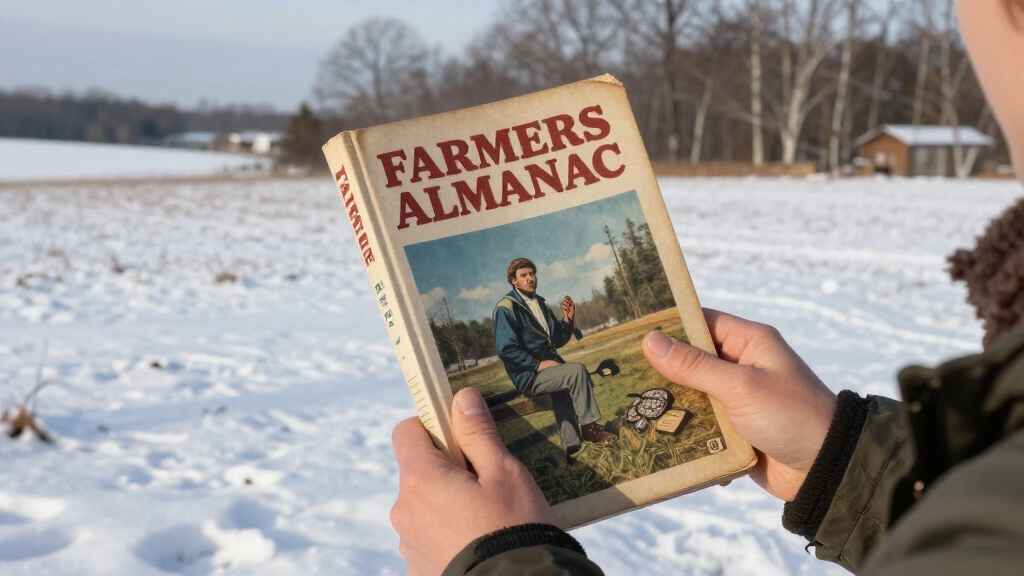
The Farmers’ Almanac forecasts a predominantly mild winter for 2026 in the U.S., with regional differences. The prediction is based on traditional methods and long-term climate patterns, but remains subject to change.
The Farmers’ Almanac has released its 2026 winter forecast, predicting a generally mild season across much of the United States. For more details, see the Old Farmers Almanac Winter Forecast. The forecast, based on traditional weather prediction methods, emphasizes regional variations and is meant to guide farmers, travelers, and residents preparing for winter conditions.
The Farmers’ Almanac states that most of the U.S. can expect a winter with less severe cold and snowfall than in recent years. According to the publication, the Northeast and Midwest regions may experience slightly colder and snowier conditions, but overall, the season is expected to be milder than average. The forecast is based on a combination of long-term climate patterns, lunar cycles, and historical data, which the Almanac claims have reliably predicted seasonal weather for over two centuries.
Officials from the Farmers’ Almanac emphasize that their predictions are not guarantees but traditional forecasts, and actual weather can vary due to unpredictable factors. For long-term outlooks, visit the US 2026 Winter Weather Forecast page. The forecast also highlights potential cold snaps and snowfalls in specific areas, but these are expected to be less intense and less frequent overall. The Almanac’s predictions are closely watched by farmers, outdoor enthusiasts, and those planning winter travel, though meteorologists caution that such long-range forecasts should be taken with caution.
Implications of the 2026 Winter Forecast for U.S. Residents
This forecast matters because it influences preparations for winter across multiple sectors, including agriculture, transportation, and emergency management. A milder winter could reduce heating costs and lower the risk of winter-related accidents, but regional variations mean some areas might still face significant cold spells. The forecast also affects economic planning, especially for farmers and outdoor industries, who rely on seasonal predictions for crop planning and resource allocation.
Popular right now

Ninja CREAMi 7-in-1 Ice Cream Maker, NC301

Jura E6 Automatic Espresso Machine, Piano Black (15622)

Dyson V8 Cyclone Cordless Vacuum
As an affiliate, we earn on qualifying purchases.
Historical Accuracy and Methodology of the Farmers’ Almanac
The Farmers’ Almanac, first published in 1818, has built a reputation for long-range weather predictions based on a proprietary formula involving lunar cycles, sunspot activity, and historical climate patterns. While its accuracy has been debated, many users consider it a useful guide for seasonal planning. The Almanac’s forecasts are updated annually, with the 2026 prediction being one of the first for that winter season.
In recent years, meteorologists have noted that long-range forecasts like the Almanac’s tend to have variable accuracy, especially for regional details. Nonetheless, the publication remains popular among farmers, outdoor enthusiasts, and those seeking general seasonal trends.
Limitations and Potential Variability of the Forecast
While the Farmers’ Almanac predicts a generally mild winter, specific regional outcomes remain uncertain. The accuracy of long-range forecasts varies, and unexpected climate factors could alter the seasonal weather significantly. Meteorologists warn that such predictions are best viewed as broad trends rather than precise forecasts, and actual conditions may differ.
Monitoring and Updates for the 2026 Winter Season
As winter approaches, meteorologists and climate scientists will continue to monitor evolving weather patterns, providing updates that may refine or adjust initial forecasts. The Farmers’ Almanac is expected to release additional insights closer to winter, and officials advise residents to remain prepared for a range of conditions despite the overall forecast of a milder season.
Key Questions
How accurate are the Farmers’ Almanac winter forecasts?
The accuracy of the Farmers’ Almanac varies; it has historically predicted broad seasonal trends but is not precise for specific regions or dates. Its forecasts are based on traditional methods and are intended as general guides.
Will this forecast affect winter preparations?
Yes, many residents and sectors like agriculture and transportation use the forecast to plan for winter, though they remain cautious given the inherent uncertainties of long-range predictions.
Are meteorologists confident in the Farmers’ Almanac predictions?
Most meteorologists view long-range forecasts like the Almanac’s as interesting but not definitive, emphasizing the importance of current weather data and climate models for accurate predictions.
What regional differences does the forecast mention?
The Almanac predicts milder conditions overall but indicates that the Northeast and Midwest may experience colder and snowier weather compared to other regions.
When will more detailed forecasts be available?
More detailed and localized forecasts are expected as winter approaches, with updates from meteorological agencies and the Farmers’ Almanac closer to the season.
Source: google-trends