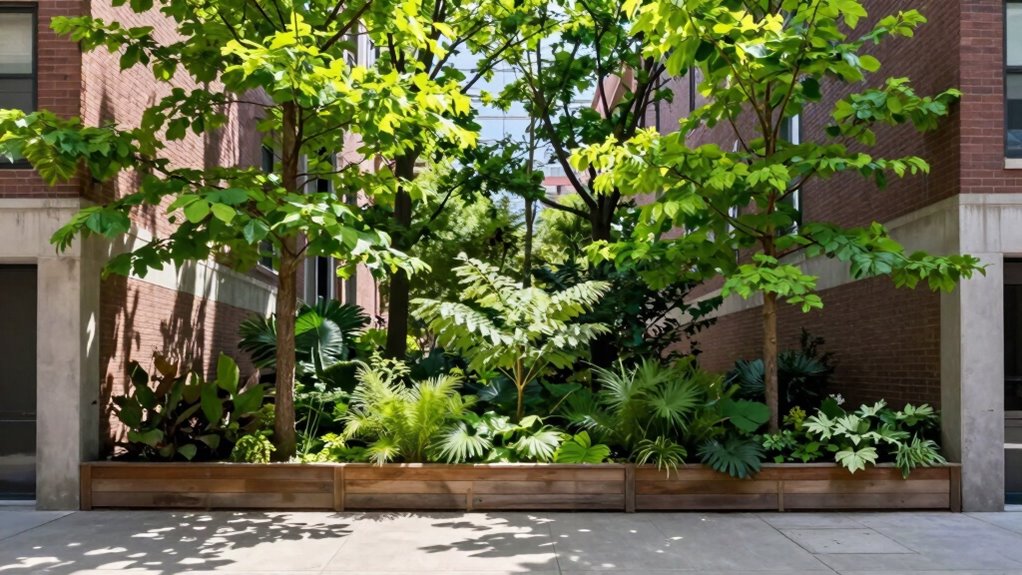

Tiny urban forests, or microforests, cool city blocks by mimicking natural ecosystems with layered native plants that provide shade and promote evaporation. They lower surface and air temperatures through canopy shade and transpiration, reducing the urban heat island effect. These micro-forests also improve air quality and support biodiversity. If you explore further, you’ll discover how designing and implementing microforests can transform urban spaces into healthier, cooler environments.
Key Takeaways
- Microforests create dense, layered vegetation that provides shade and promotes evapotranspiration, significantly reducing surface and air temperatures.
- Native plants in microforests enhance ecological resilience and efficiently absorb pollutants, improving urban air quality.
- The canopy and plant layers block solar radiation and facilitate moisture release, mitigating urban heat island effects.
- Water management strategies like rain gardens and cisterns support microclimate cooling and groundwater recharge.
- Scientific studies confirm microforests’ effectiveness in lowering temperatures and enhancing biodiversity in city environments.

Plant Good Seed California Natives Seeds for Planting – 8 Packet Collection – Sage, Yarrow, Nettle, Poppy, Lupine, Mugwort, Hyssop – Wildflower Variety Pack
SEEDS YOU CAN TRUST – Our seeds are non-GMO, heirloom, untreated, and open-pollinated. This makes sourcing seed from…
As an affiliate, we earn on qualifying purchases.
As an affiliate, we earn on qualifying purchases.
What Are Microforests and How Do They Cool Cities?
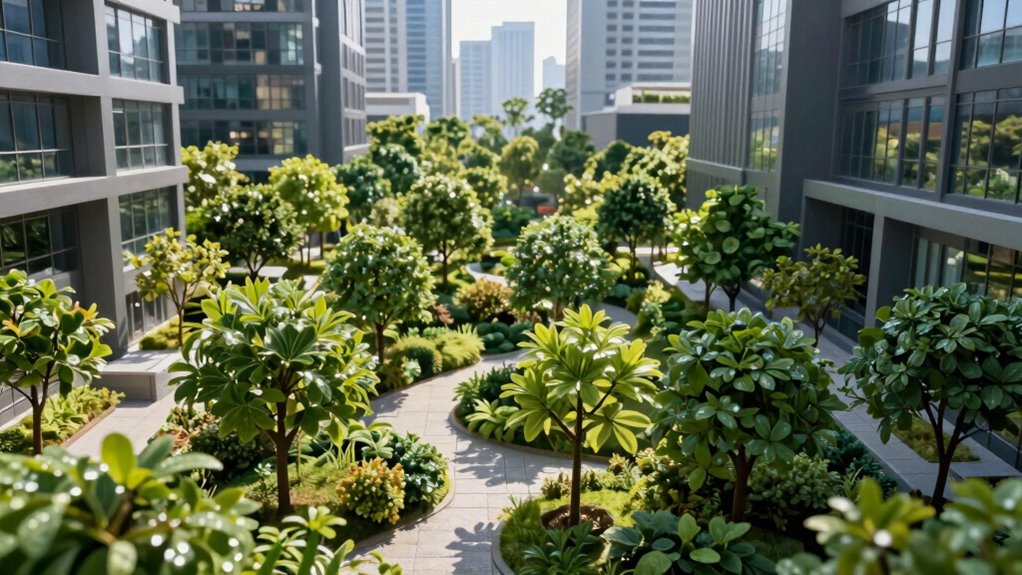
Microforests are small, densely planted forests designed to mimic natural ecosystems within urban areas. By creating an urban canopy, they provide shade and reduce surface temperatures, helping to cool the local environment. These tiny forests support ecological restoration by restoring native plant diversity and promoting healthier soils and waterways. You can see them as a compact, vibrant solution to urban heat, blending greenery into limited spaces. Microforests maximize ecological benefits by increasing biodiversity and improving air quality while offering residents a natural refuge. Their strategic placement in city landscapes enhances the overall climate resilience of urban areas. In fundamental terms, microforests transform concrete jungles into thriving, cooling ecosystems that benefit both people and the planet. Additionally, implementing proper planting techniques ensures the longevity and effectiveness of these microforests in urban settings. Incorporating sustainable urban planning strategies can further optimize the benefits of microforests for climate adaptation, supporting urban ecological health and resilience.

Rain Bird PATIOKIT Drip Irrigation Patio Watering Kit, Connects to Faucet, 1/4" Drip Tubing
Complete 42-piece Drip irrigation kit eliminates watering by hand
As an affiliate, we earn on qualifying purchases.
As an affiliate, we earn on qualifying purchases.
How Do Microforests Reduce Urban Heat? The Science Explained
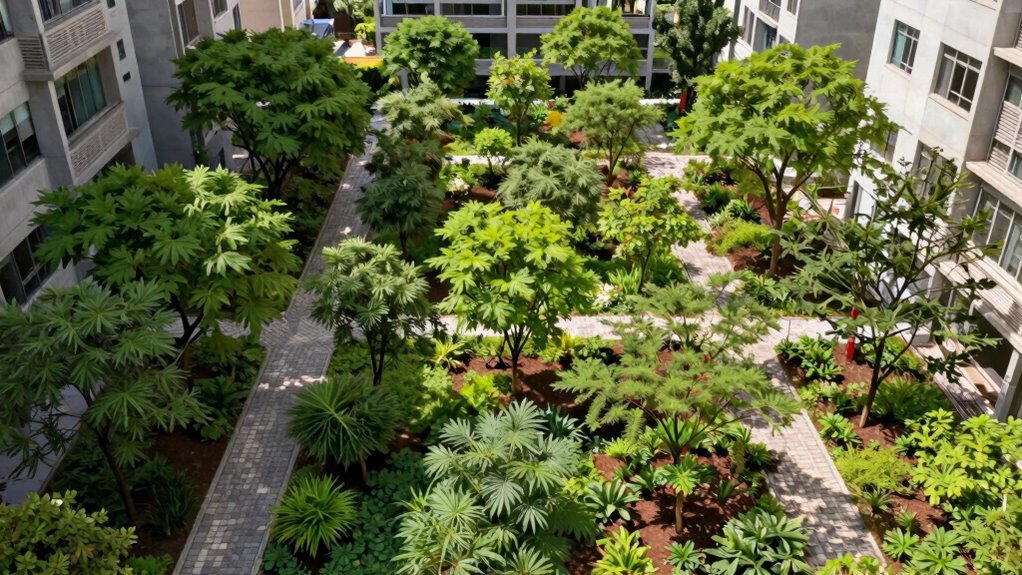
The way microforests cool urban environments hinges on their ability to influence local temperature through natural processes. They achieve this by promoting microclimate modification, which directly combats urban heat. Microforests reduce heat through several mechanisms:
- Transpiration from trees and plants releases moisture, lowering surrounding temperatures.
- Canopy shade blocks solar radiation, decreasing surface and air temperatures.
- Vegetation cools the air through evapotranspiration, improving overall microclimate quality.
- Integrating green infrastructure into urban planning enhances these cooling effects and promotes sustainable development.
- Additionally, the presence of diverse plant layers supports urban biodiversity, which can further contribute to ecological balance and resilience.
- The complex interactions between plants and the environment in microforests enhance their ability to regulate local climate, making them a key tool in sustainable urban design.
- By fostering a diverse plant layer, microforests create a more resilient ecosystem, capable of adapting to changing climate conditions and supporting urban sustainability.
- Proper maintenance and planning are essential to maximize the effectiveness of microforests in urban settings and ensure their long-term benefits.
These processes help create a cooler, more comfortable environment and mitigate the urban heat island effect. By fostering a diverse plant layer, microforests effectively modify the local microclimate, providing a natural cooling system that addresses urban heat issues sustainably.

Garden Barrel Transplanter,2025 New Plant and Fruit Tree Seedling Transplanter,Stainless Bulb Planter Tool for Transplanting,Planting,Hand Seedling Transplanter Garden Digging Tool
【Premium Garden Tools】Made from premium stainless steel, this Garden Barrel Transplanter offers superior durability. Its strong material ensures…
As an affiliate, we earn on qualifying purchases.
As an affiliate, we earn on qualifying purchases.
Essential Design Elements for Successful Microforests
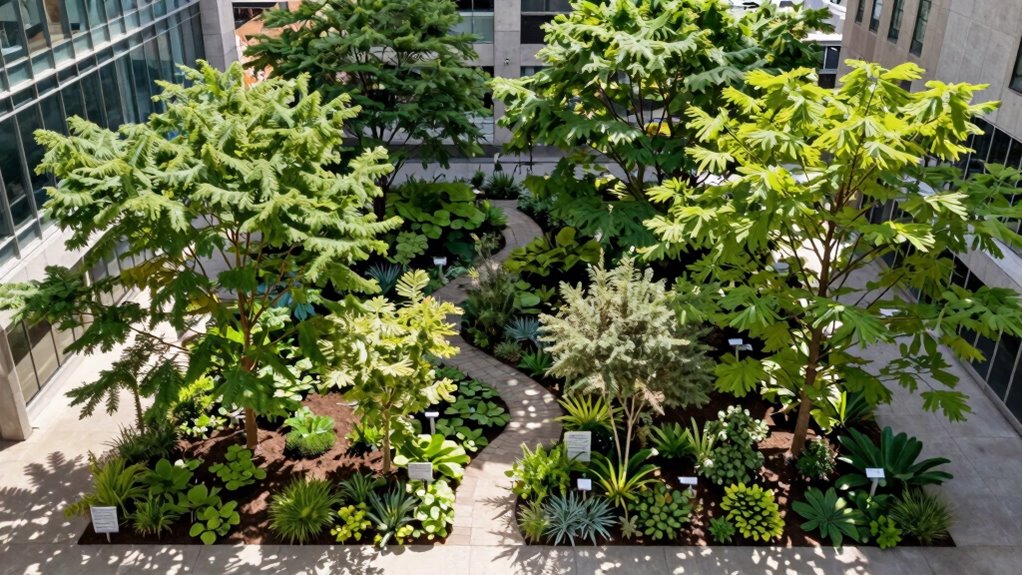
To create a successful microforest, you need to focus on key design elements like choosing native plants that thrive locally, building a layered vegetation structure for diversity, and implementing effective water management strategies. These elements guarantee the microforest adapts well to its environment and maximizes cooling benefits. Paying attention to these details sets the foundation for a thriving, sustainable microforest. Incorporating best plants for beginners can help ensure the microforest is resilient and easy to maintain for urban environments. Additionally, selecting native plants that are well-suited to the urban climate minimizes maintenance and supports local ecosystems.
Native Plant Selection
Choosing native plants is a critical step in designing successful microforests because they are better adapted to local conditions and require less maintenance. Native species thrive in your area’s soil, climate, and moisture levels, ensuring a resilient and sustainable ecosystem. Prioritizing plant diversity helps create a balanced environment that supports various wildlife and improves overall health. When selecting native plants, consider these factors:
- Compatibility with existing native species for seamless integration
- Drought tolerance to reduce water needs
- Bloom times to ensure year-round pollinator support
Focusing on proper plant selection enhances the overall success and ecological benefits of your microforest. Incorporating native plant diversity further strengthens the ecosystem’s resilience and promotes biodiversity. Additionally, understanding the local climate conditions is crucial to selecting plants that will thrive long-term.
Incorporating vetted plant choices can significantly increase the likelihood of your microforest thriving over time, especially when considering climate adaptability for sustained success.
Layered Vegetation Structure
A layered vegetation structure is essential for creating a resilient and functional microforest. By organizing plants into distinct canopy layers, you maximize space, improve biodiversity, and enhance cooling effects. The upper canopy provides shade and reduces urban heat, while the shrub strata adds density and habitat complexity. Including multiple layers creates a microclimate that retains moisture and lowers temperatures more effectively. You should select a mix of tall trees, mid-sized shrubs, and ground cover to build this structure. This diversity not only boosts resilience against pests and diseases but also supports a variety of wildlife. A well-designed layered structure ensures that each plant layer complements the others, resulting in a robust, sustainable microforest that cools and beautifies the city block.
Water Management Strategies
Effective water management is crucial for the success of microforests, especially in urban environments where water availability can vary. Proper strategies help maximize stormwater management and promote groundwater recharge. You should incorporate permeable surfaces to allow rainwater to infiltrate the soil, reducing runoff and enhancing groundwater levels. Installing rain gardens and bioswales helps direct excess water away from pavements while filtering pollutants. Mulching around trees conserves soil moisture and moderates temperature fluctuations, supporting plant health. Additionally, capturing rainwater through cisterns provides supplemental irrigation during dry periods. These measures collectively improve water retention, minimize urban flooding, and sustain the microforest’s vitality. Prioritizing stormwater management and groundwater recharge ensures your microforest remains resilient and environmentally beneficial. Incorporating soil permeability into your design can further optimize water infiltration and reduce surface runoff. Employing water harvesting techniques can also supply additional water resources during droughts or dry spells.

Melphoe 25Pcs Mini Garden Hand Transplanting Succulent Tools Set, 39.4" Thickened Repotting Mat & Plant Tag, Miniature Planting Indoor Fairy Care, Potting, Cactus, Houseplant Bonsai Tool Kit (Black)
Comprehensive Small Garden Tools: Our indoor garden kit Not only for succulents, but also suitable for bonsai plants,…
As an affiliate, we earn on qualifying purchases.
As an affiliate, we earn on qualifying purchases.
Benefits of Urban Microforests Beyond Cooling
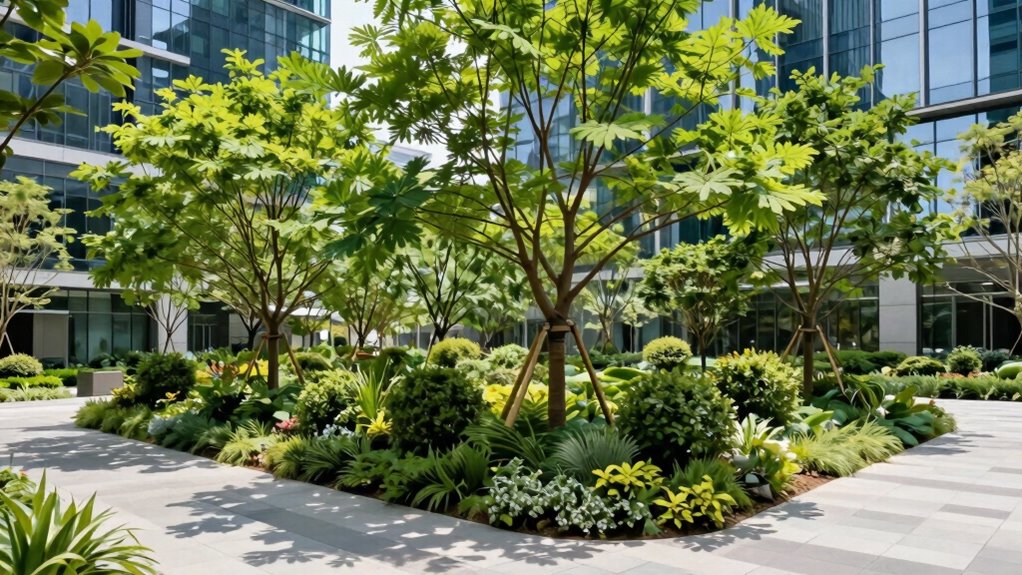
Urban microforests do more than cool their surroundings; they also boost local biodiversity, giving native species a better habitat to thrive. They improve air quality by filtering pollutants and producing oxygen, making your environment healthier. Plus, spending time around these green spaces can reduce stress and enhance your mental well-being. Incorporating holistic approaches into urban planning can further optimize the health and wellness benefits of microforests. Additionally, integrating digital assets into urban development strategies can promote innovative and sustainable green infrastructure solutions. Recognizing the importance of species diversity can help in designing microforests that support a variety of native plants and animals, strengthening ecological resilience. Emphasizing ecological resilience can ensure these urban ecosystems maintain their benefits amidst environmental changes. Promoting community engagement is essential for the long-term success and maintenance of these urban ecosystems.
Enhances Urban Biodiversity
Microforests considerably boost urban biodiversity by creating habitats that attract a variety of plants, insects, birds, and small mammals. They serve as essential ecological corridors, allowing urban wildlife to move safely between green spaces. By integrating native species, microforests support local ecosystems and promote resilience against environmental stressors. These small forests encourage diverse life forms to coexist, enriching urban environments. You’ll notice increased sightings of pollinators like bees and butterflies, as well as songbirds and small mammals that find refuge there. Understanding urban ecology reveals how microforests can help sustain the health of city ecosystems.
Improves Air Quality
As microforests attract a variety of plants, insects, and birds, they also play a significant role in improving air quality. By filtering pollutants, microforests help reduce urban pollution levels, making the air safer to breathe. The dense foliage acts as a natural air purifier, trapping dust, particulate matter, and harmful gases from vehicles and industry. Trees and plants absorb carbon dioxide and release oxygen, further enhancing air cleanliness. This process not only diminishes airborne toxins but also improves overall air circulation in city blocks. Additionally, urban greenery benefits from microforests can extend to promoting biodiversity and supporting ecosystem resilience. Microforests can also serve as natural pollution barriers, helping to shield neighborhoods from industrial emissions and traffic-related pollutants. As a result, microforests contribute to better respiratory health for residents and create a more breathable environment. Their ability to clean the air makes microforests a essential component of sustainable urban development.
Supports Mental Well-Being
While microforests are celebrated for their cooling effects, they also profoundly support mental well-being by providing peaceful green spaces amidst busy city life. These microforests serve as urban therapy, helping you reduce stress and reconnect with nature. Spending time in these natural environments offers mental health benefits like improved mood and decreased anxiety. They create calm refuges where you can breathe deeply and escape the noise of city living. Incorporating microforests into urban areas encourages mindfulness and relaxation.
- Reduce mental fatigue and boost concentration
- Promote social interactions and community bonding
- Enhance overall psychological resilience through daily contact with nature
How to Create a Microforest in Your City: A Step-by-Step Guide
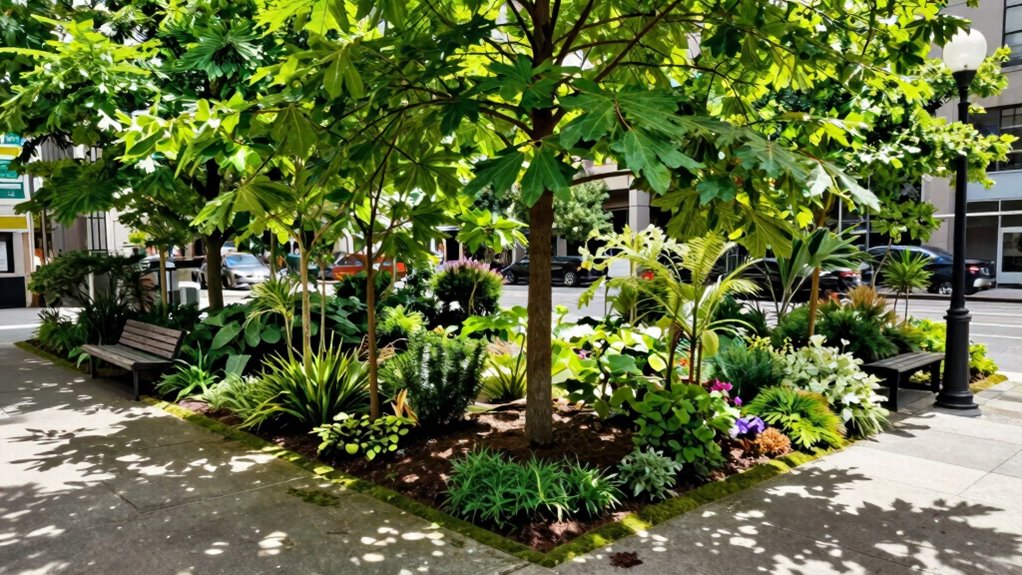
Creating a microforest in your city starts with planning and gaining community support. Begin by identifying a suitable site that can accommodate diverse plants and attract urban wildlife, encouraging ecological balance. Engage your community early, sharing the benefits of microforests to foster enthusiasm and collaboration. Host local meetings or workshops to gather input and address concerns, making sure residents feel involved. Work with local environmental groups or city officials to secure permits and resources. Design the microforest with native plants to support urban wildlife and ensure easy maintenance. Prioritize accessibility and safety to maximize community engagement. By involving residents from the start, you create a sense of ownership that helps sustain the microforest for years to come.
Scientific Evidence Supporting Microforests as a Climate Solution
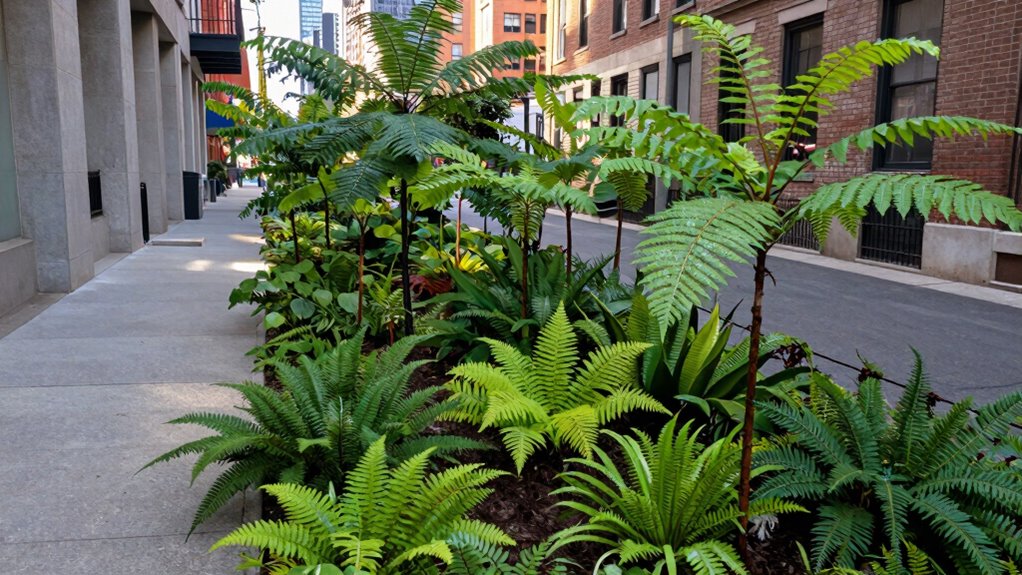
Numerous scientific studies demonstrate that microforests effectively mitigate urban heat islands and improve air quality. These findings stem from urban ecology research showing how small-scale forests enhance local microclimates and promote climate adaptation. Evidence includes temperature reductions, improved air filtration, and increased biodiversity in city environments.
Microforests reduce urban heat and pollution through climate-friendly small-scale ecosystems.
- Microforests increase shade and evapotranspiration, lowering surface temperatures
- They absorb pollutants, improving air quality and public health
- Their structure fosters urban ecology by supporting native species and ecological resilience
Research consistently shows microforests’ role in creating cooler, healthier cities. The scientific consensus highlights their potential as a scalable, natural climate solution that integrates seamlessly into urban landscapes, addressing climate adaptation needs while promoting sustainable urban ecology.
Frequently Asked Questions
Can Microforests Be Integrated Into Existing Urban Infrastructure?
Yes, you can integrate microforests into existing urban infrastructure by using green roof integration, which adds greenery to rooftops, and underground planting strategies to maximize space. These methods allow you to create microforests on building surfaces or beneath urban landscapes without major disruptions. By doing so, you enhance cooling, improve air quality, and promote biodiversity, making your city more sustainable and resilient while seamlessly blending natural elements into your current infrastructure.
What Are the Maintenance Requirements for Microforests?
You’ll need to stay vigilant with microforest maintenance. Start by regularly checking soil preparation to guarantee nutrients stay rich and support plant health. Keep a close eye on plant selection to remove any that aren’t thriving or are invasive. Water consistently, prune when necessary, and monitor pests. If you ignore these steps, the microforest’s vibrant canopy could fade, losing its cooling power and visual appeal. Stay attentive, and it will flourish.
How Do Microforests Impact Local Biodiversity?
Microforests boost local biodiversity by supporting pollinators like bees and butterflies, which thrive on native species. As you maintain these mini ecosystems, you create habitats that attract diverse plants and animals, enhancing ecological resilience. This encourages a healthy, balanced environment, making your microforest a essential refuge for native species and a hub for pollinator support, ultimately enriching your urban area’s natural diversity.
Are Microforests Suitable for All Climate Zones?
Microforests may not suit every climate zone, but with careful planning, you can adapt them effectively. Climate adaptability depends on selecting native, resilient species and ensuring soil compatibility. In hot, dry areas, choose drought-tolerant plants, while in cooler, wetter zones, opt for moisture-loving varieties. By balancing these elements, you can successfully design microforests that thrive across diverse climates, creating vibrant, verdant microhabitats everywhere.
What Funding Options Are Available for Microforest Projects?
You can explore various funding options for your microforest project, including public funding from local government grants and environmental programs. Additionally, private grants from nonprofits, corporate sponsorships, and foundations can support your efforts. Crowdfunding platforms also offer a way to gather community support and funding. Combining these options increases your chances of securing the necessary resources to establish and maintain your microforest effectively.
Conclusion
Think of microforests as tiny beacons of hope, quietly transforming your city into a cooler, greener sanctuary. By planting these miniature forests, you’re planting seeds of resilience—each tree a guardian against heat, a symbol of nature’s strength amid urban concrete. Embrace the power of these small forests; they’re more than just cool spots—they’re the roots of a healthier, more vibrant future. Together, you can nurture this green revolution, one microforest at a time.