Ocean acidification is a slow, often overlooked threat caused by rising CO2 levels. As the ocean absorbs excess carbon, it becomes more acidic, harming marine life like corals, shellfish, and plankton. This affects ecosystems and fisheries, impacting food security and coastal economies. Because its effects are gradual and less visible than storms, many ignore it. Staying informed reveals how this quiet crisis could threaten our future if we act now.
Key Takeaways
- Ocean acidification results from CO2 absorption, gradually lowering seawater pH and disrupting marine ecosystems.
- Its subtle, slow changes make it less visible and less recognized compared to immediate climate impacts.
- Acidification damages shell-forming species and coral reefs, threatening biodiversity and food security.
- Limited public awareness and policy focus hinder efforts to reduce emissions and protect vulnerable marine habitats.
- Advanced monitoring technologies are essential to track changes and inform urgent mitigation actions.
Understanding Ocean Acidification : Why It Matters for Our Future
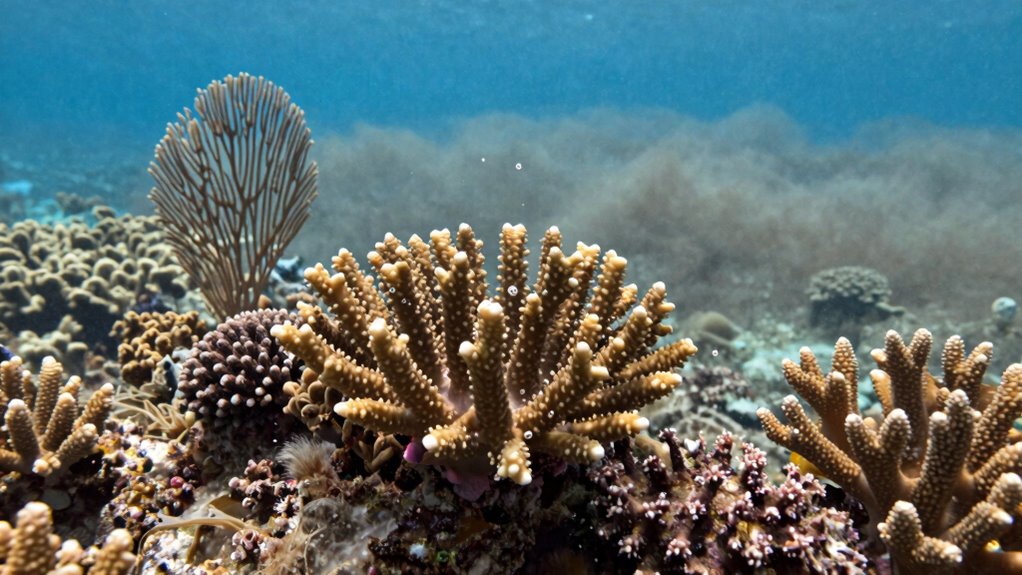
Ocean acidification occurs when the ocean absorbs excess carbon dioxide from the atmosphere, causing the water to become more acidic. This shift disrupts marine nutrient cycling, which is essential for maintaining healthy ocean ecosystems. As acidity increases, key processes that support marine life slow down or change, affecting everything from tiny plankton to large predators. Deep sea ecosystems are especially vulnerable because they rely on delicate chemical balances that are easily disturbed. When these ecosystems are impacted, it can lead to a decline in biodiversity and weaken the ocean’s ability to support life. Understanding these effects helps you grasp why ocean acidification isn’t just a distant problem; it’s a pressing threat that could alter the future of our planet’s oceans. Innovative European Cloud Servers are helping researchers analyze these complex changes more efficiently, especially by improving the accuracy of ocean chemistry data.
How Rising CO2 Emissions Are Causing Ocean Acidification
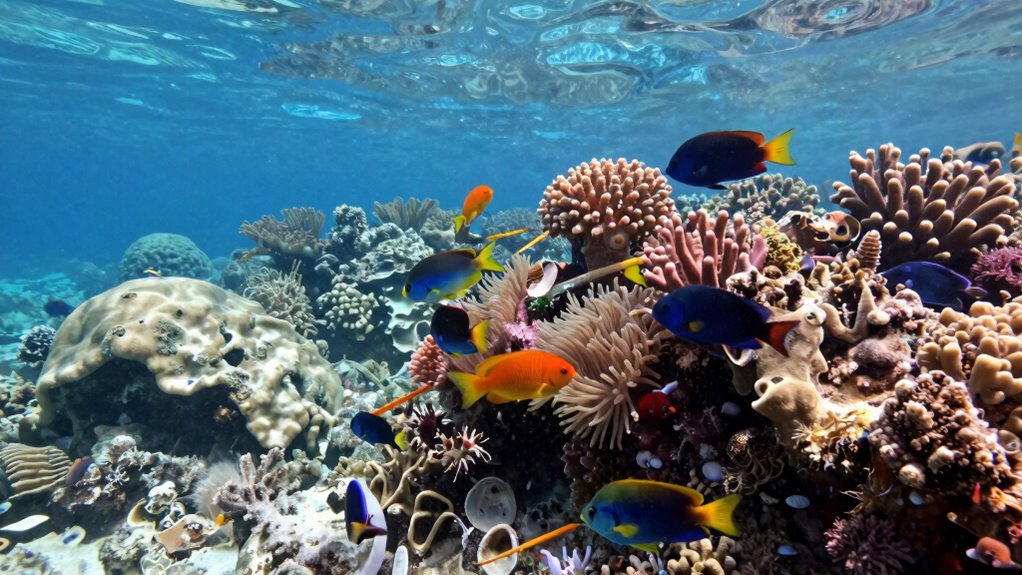
When CO2 emissions rise, the gas gets absorbed by the oceans, changing their chemical balance. This process makes the water more acidic, which threatens many marine species. Understanding how this happens helps you see the direct impact on marine life and ecosystems. A change in ocean chemistry due to increased acidity also affects the ability of calcifying organisms to build shells and skeletons, disrupting entire food webs. Additionally, these chemical changes can influence overall indoor air quality because of interconnected environmental effects.
CO2 Absorption Process
How exactly does increased atmospheric CO2 lead to ocean acidification? When CO2 from the air dissolves into seawater, it triggers chemical reactions that alter marine chemistry. CO2 reacts with water to form carbonic acid, which then releases hydrogen ions, lowering the pH balance of the ocean. This process makes the water more acidic, impacting marine life. The table below highlights the key changes:
| Step | Effect |
|---|---|
| CO2 dissolves in seawater | Forms carbonic acid |
| Carbonic acid dissociates | Releases hydrogen ions |
| Hydrogen ions increase | Lowers pH balance |
| pH decreases | Ocean becomes more acidic |
| Marine chemistry shifts | Affects shell-forming organisms |
This absorption process directly influences the ocean’s chemistry, making it a critical factor in ocean acidification. Additionally, understanding free floating pollutants can help address the broader impacts on marine environments. Furthermore, ongoing research emphasizes that ocean buffering capacity varies and can influence how quickly acidification occurs in different regions.
Impact on Marine Life
Have you ever wondered how rising CO2 emissions threaten marine life? Increased acidity from CO2 absorption damages essential ocean creatures. Deep sea ecosystems suffer as shell-forming animals struggle to build calcium carbonate shells, risking collapse. Marine species like corals and mollusks face dissolution and reduced survival rates. The decline in plankton, the foundation of many food webs, causes ripple effects through the entire ocean. With fewer plankton, fish and larger predators lose their primary food source, disrupting ecosystems. You might not see these changes daily, but they threaten biodiversity and ocean health. As acidity increases, the resilience of marine life diminishes, risking a cascade of ecological failures that could take decades to reverse.
The Impact of Ocean Acidification on Coral Reefs and Marine Life
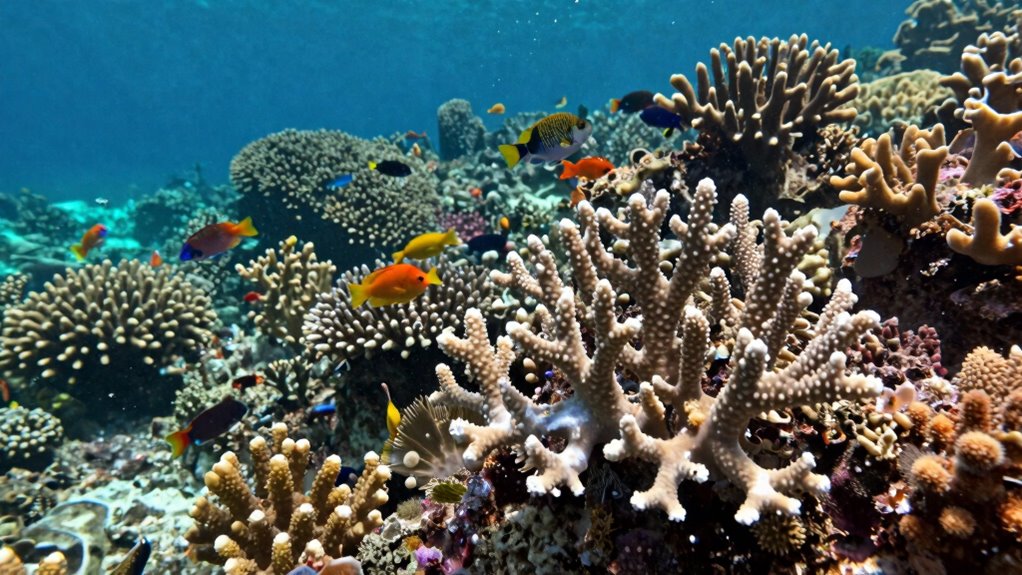
Ocean acidification directly threatens coral reefs and marine life by disrupting their ability to build and maintain calcium carbonate structures. As acidity rises, corals struggle to grow, leading to widespread coral bleaching and the loss of habitats crucial for marine biodiversity. Without healthy reefs, many species lose shelter, food sources, and breeding grounds, causing declines in overall marine populations. To highlight this impact, consider the table below:
| Effect | Cause | Result |
|---|---|---|
| Coral bleaching | Increased acidity | Loss of colorful reefs |
| Reduced calcification | Lower carbonate availability | Weaker coral skeletons |
| Decline in marine biodiversity | Habitat destruction | Fewer species thriving |
| Disrupted food chains | Loss of key species | Ecosystem imbalance |
Additionally, the degradation of coral reefs can accelerate climate change by reducing their capacity to sequester carbon, further intensifying environmental challenges. This loss of reef health diminishes the ocean’s natural ability to buffer atmospheric CO2 levels, creating a vicious cycle that exacerbates global warming. The decline of these vital ecosystems can destabilize local economies that depend on marine resources and tourism. Moreover, the weakening of coral structures is compounded by the fact that ocean acidification reduces carbonate availability, making it even harder for corals to maintain their skeletons. Research also shows that ongoing acidification can disrupt reproductive processes in marine species, threatening their long-term survival.
What Ocean Acidification Means for Shellfish and Fisheries
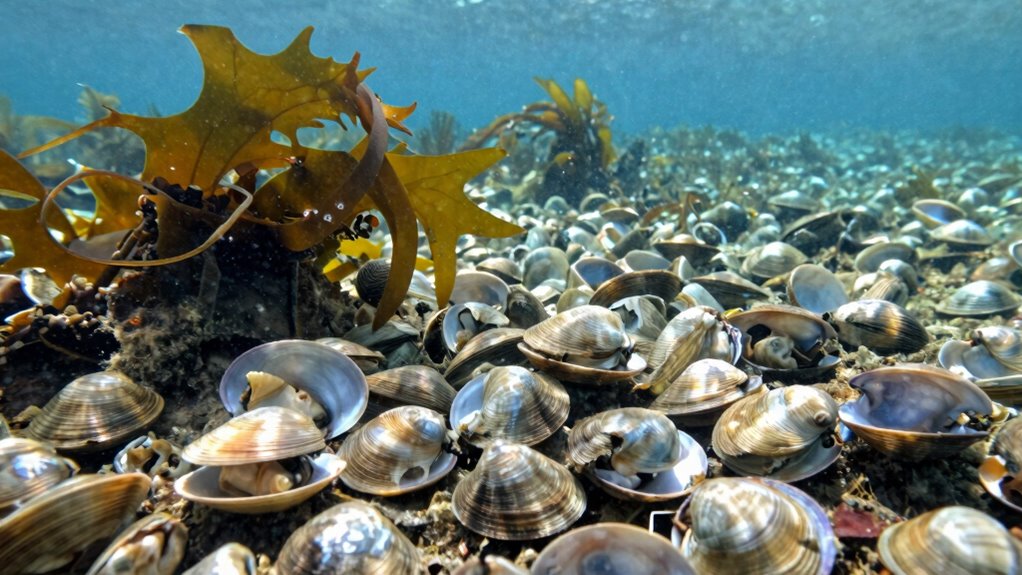
As ocean acidification weakens coral skeletons and disrupts marine habitats, it also poses a serious threat to shellfish populations and fishing industries. You may notice a decline in shellfish like oysters, clams, and mussels, which rely on calcium carbonate to build their shells. This decline affects not only the species themselves but also the economic stability of local fisheries. If acidification continues unchecked, it could lead to a fisheries collapse, devastating communities that depend on marine resources. Imagine shrimp and scallop harvests shrinking, prices soaring, and jobs vanishing. The health of your seafood supply is directly linked to the ocean’s changing chemistry. Protecting shellfish and fisheries means addressing the root causes of ocean acidification now. Understanding ocean chemistry is crucial for developing effective conservation strategies. Additionally, marine ecosystem resilience plays a vital role in buffering some impacts, but it cannot fully counteract the ongoing changes. Recognizing how ocean chemistry influences marine life can help inform targeted efforts to mitigate these effects, especially as vetted solutions continue to evolve. Moreover, increased awareness and public engagement are essential for driving policy changes that can reduce carbon emissions and slow the progression of acidification.
Why Ocean Acidification Often Gets Less Attention in Climate Talks

Despite its serious impacts, ocean acidification often receives less attention in climate talks because it’s less visible and harder to understand than rising temperatures or extreme weather events. Policy neglect stems from this invisibility, making it less urgent in policymakers’ agendas. Public awareness is low because ocean chemistry changes are subtle and gradual, unlike dramatic storms or heatwaves. As a result, ocean acidification doesn’t evoke the immediate concern that drives political action. Without clear, visible consequences, it’s easy for leaders to overlook this slow threat. This lack of focus hampers funding and international cooperation needed to address the issue. To shift the dial, raising public understanding is vital, as increased awareness can pressure policymakers to prioritize ocean health alongside other climate challenges. Recognizing the long-term environmental risks associated with ocean acidification is essential for motivating proactive measures. Additionally, the complex ocean chemistry processes make it difficult for the public and policymakers to grasp the full scope of the problem, further hindering action. Improving public understanding of ocean science can help foster greater appreciation of the urgency behind addressing ocean acidification. Promoting scientific literacy about these processes can empower communities and leaders to take more decisive steps.
Global Signs and Early Indicators of Ocean Acidification
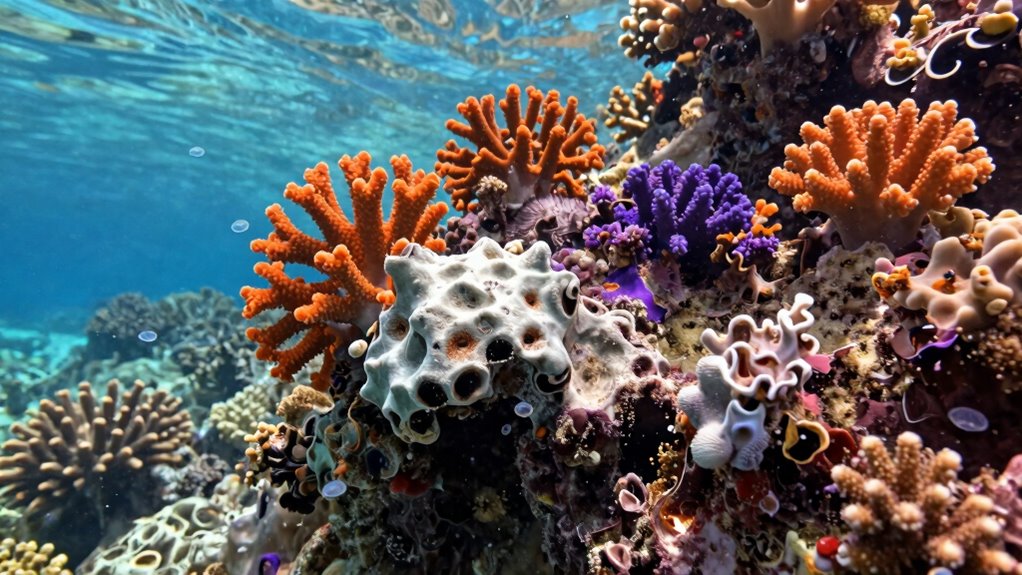
Early signs of ocean acidification can be detected through specific chemical and biological indicators that signal shifts in marine environments. One key indicator is pH fluctuations, which reflect increased acidity levels. These fluctuations can cause stress for marine life, especially calcifying organisms. Coral bleaching is another early sign; as acid levels rise, corals become more vulnerable, leading to widespread bleaching events. You might also notice changes in shell formation among mollusks and plankton, disrupting food chains. These signs serve as warning signals that the ocean’s chemistry is shifting. Recognizing these indicators early helps you understand the gradual but serious impact of ocean acidification on marine ecosystems, prompting the need for timely action to protect ocean health. Marine chemistry changes can also influence nutrient availability, further stressing marine organisms and ecosystems. Additionally, shifts in ocean chemistry can alter the distribution of essential nutrients, impacting the productivity of marine food webs. For instance, chemical shifts can influence the growth rates of phytoplankton, which are foundational to oceanic food chains.
What We Can Do to Slow Down Ocean Acidification

You can help slow down ocean acidification by cutting back on your carbon emissions through energy efficiency and choosing cleaner transportation options. Supporting marine conservation efforts also plays a crucial role in protecting ecosystems from further harm. Every action counts in preserving our oceans for future generations.
Reduce Carbon Emissions
Reducing carbon emissions is a crucial step you can take to slow down ocean acidification. By supporting strong marine policies, you help set regulations that limit greenhouse gases. Advocating for carbon taxation makes polluters pay for their impact, encouraging cleaner energy choices. Your actions can influence government and industry shifts toward sustainability. Consider these steps:
- Choose renewable energy sources like wind or solar for your home.
- Support policies promoting energy efficiency and carbon pricing.
- Reduce your car’s carbon footprint by carpooling, biking, or using public transit.
Every effort adds up, helping to lower atmospheric CO₂ levels. When communities push for effective marine policy and carbon taxation, we protect ocean ecosystems from further harm. Your commitment drives change, helping to slow ocean acidification’s devastating effects.
Support Marine Conservation
Supporting marine conservation efforts is essential for slowing down ocean acidification. By establishing and respecting marine protected areas, you help reduce human pressures on vulnerable ecosystems, allowing them to recover and better resist acidification. Limiting destructive activities like deep sea mining prevents habitat destruction and minimizes pollution that worsens acidification. Protecting these areas encourages biodiversity, which can enhance the ocean’s resilience to chemical changes. Advocate for policies that restrict harmful industries and promote sustainable practices. Participating in conservation initiatives and spreading awareness empowers you to make a difference. Every effort counts—whether through supporting legislation or choosing sustainable seafood. Together, these actions contribute to healthier oceans, helping slow acidification and safeguard marine life for future generations.
How Scientists Are Monitoring and Addressing the Threat

Scientists actively monitor ocean acidification by deploying advanced sensors and automated buoys that measure pH levels, carbonate chemistry, and CO₂ absorption in real-time. Deep sea monitoring with specialized equipment helps track changes at various depths, providing valuable data. The pH sensors continuously record acidity levels, allowing researchers to detect subtle shifts that could harm marine life. These efforts give scientists a clearer picture of how ocean chemistry evolves over time.
Scientists monitor ocean acidification with sensors and buoys measuring pH, carbonate chemistry, and CO₂ absorption over time.
- Remote sensing devices collect data across large areas of the ocean
- Autonomous underwater vehicles explore deep-sea environments for acidification signs
- Data from these tools inform models predicting future changes and guide policy decisions
What Could Happen if We Don’t Act on Ocean Acidification
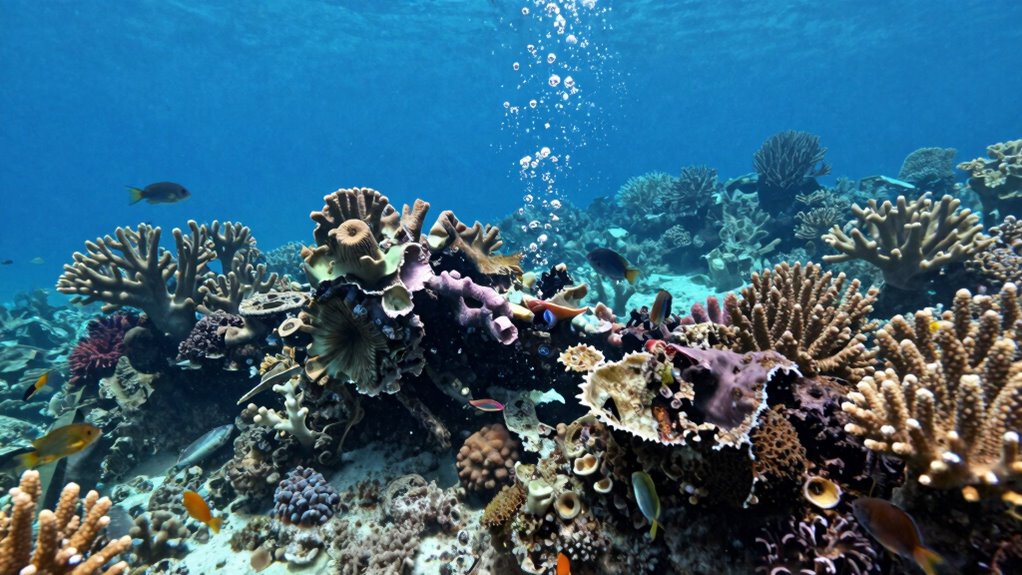
If ocean acidification continues unchecked, the health of marine ecosystems will decline sharply, affecting the species that rely on them. Coral reefs, shellfish, and plankton will struggle to survive as their calcium carbonate structures weaken, disrupting food chains. Without strong ocean policy, efforts to reduce emissions and protect vulnerable habitats will stall, worsening the crisis. Marine technology can help monitor changes, but without decisive action, these tools won’t prevent the damage. The loss of biodiversity will threaten fisheries and coastal communities, leading to economic hardship. Ignoring this threat risks irreversible harm to the ocean’s balance. Only through urgent policy reforms and innovative marine technology can we hope to slow or reverse these devastating impacts and safeguard our oceans’ future.
Frequently Asked Questions
How Does Ocean Acidification Affect Deep-Sea Ecosystems?
You might not realize it, but ocean acidification impacts deep-sea ecosystems by harming benthic communities and disrupting life around deep-sea vents. As acidity rises, calcifying organisms struggle to build shells, affecting food webs and biodiversity. This change can weaken the entire ecosystem, threatening species that rely on these habitats. By understanding this, you see how ocean chemistry alterations ripple through the fragile balance of deep-sea life.
Are There Any Ways to Reverse Ocean Acidification?
You can’t simply turn back the tide of ocean acidification, but you can help slow it down. Reducing carbon emissions is like patching a leaking dam—prevents further damage. Protecting coral reefs from degradation and supporting shellfish populations helps ecosystems adapt. While reversing acidification isn’t easy, your efforts toward cleaner energy and sustainable practices act like a lifeline, giving these fragile species a fighting chance to survive and thrive.
What Industries Are Most Impacted by Ocean Acidification?
You’ll notice industries like fisheries and tourism suffer most from ocean acidification. Coral bleaching damages reefs, harming marine biodiversity and reducing fish populations essential for fishing communities. Shellfish industries face shell decline, making it harder for mollusks to grow shells, which decreases harvests and impacts livelihoods. As ocean chemistry changes, these industries struggle to adapt, highlighting the urgent need for climate action to protect ocean health and economic stability.
How Do Local Actions Influence Global Ocean Acidification?
Your local actions matter because local policies and community efforts can reduce carbon emissions, which slow down ocean acidification. By supporting renewable energy, promoting conservation, and advocating for sustainable practices, you help decrease CO2 levels in the atmosphere. These proactive steps not only benefit your community but also contribute to a global effort to protect oceans. Every small action adds up, making a real difference in combating this slow but serious threat.
Can Technology Help Mitigate Ocean Acidification Effects?
Imagine you’re trying to patch a leaking boat—technology like geoengineering solutions and carbon capture can help. These tools can reduce CO2 levels, slowing ocean acidification’s advance. For example, carbon capture traps emissions before they reach the atmosphere, giving oceans a fighting chance. While not a sole fix, technology boosts our efforts to protect marine life and preserve ecosystems from irreversible damage.
Conclusion
If you ignore ocean acidification, you might miss the signs before it’s too late—just like ignoring a warning on your dashboard until your car stalls. This quiet threat quietly erodes coral reefs, harms fisheries, and disrupts marine ecosystems we depend on. Staying aware and acting now could prevent losing these essential underwater worlds. After all, what starts as a small change in the ocean’s chemistry might be the biggest loss we face if we don’t pay attention.