
Reviving ancient viruses from melting permafrost offers you unique insights into early life and viral evolution. As scientists awaken microbes frozen for thousands of years, you learn how viruses have changed or stayed the same over time. This research helps uncover Earth’s biological history and teaches us about potential future risks. Keep exploring this fascinating topic to discover how climate change influences the re-emergence of ancient pathogens and their impact today.
Key Takeaways
- Scientists revived an ancient virus frozen in permafrost, providing insights into viral evolution and early biological life.
- The discovery helps understand how viruses have persisted and adapted over thousands of years in cold environments.
- Studying these ancient viruses offers clues about past ecosystems and Earth’s biological history.
- The revival emphasizes the importance of monitoring melting permafrost for potential health risks.
- Findings highlight the role of permafrost in preserving ancient biological materials that inform our knowledge of early life.
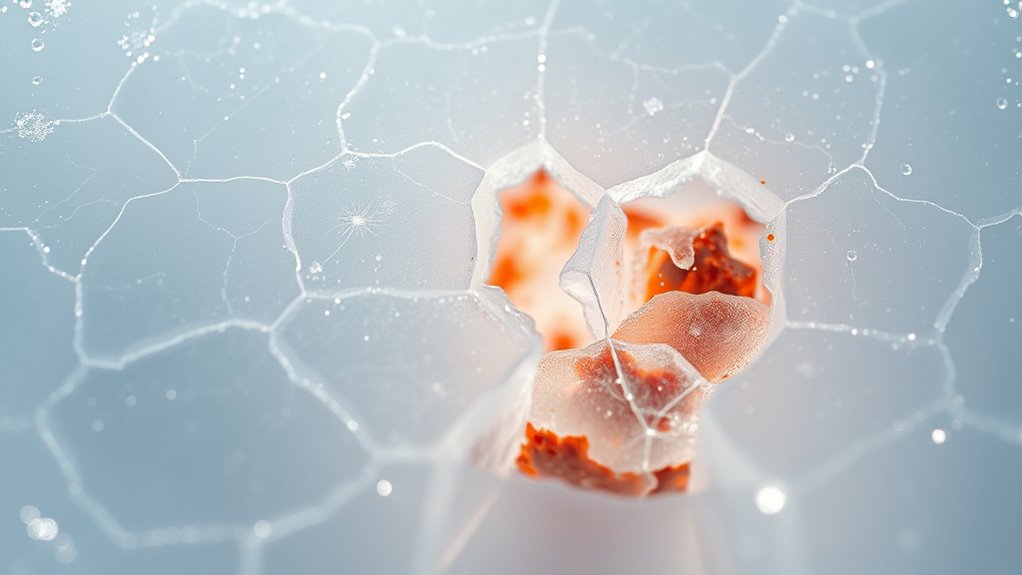
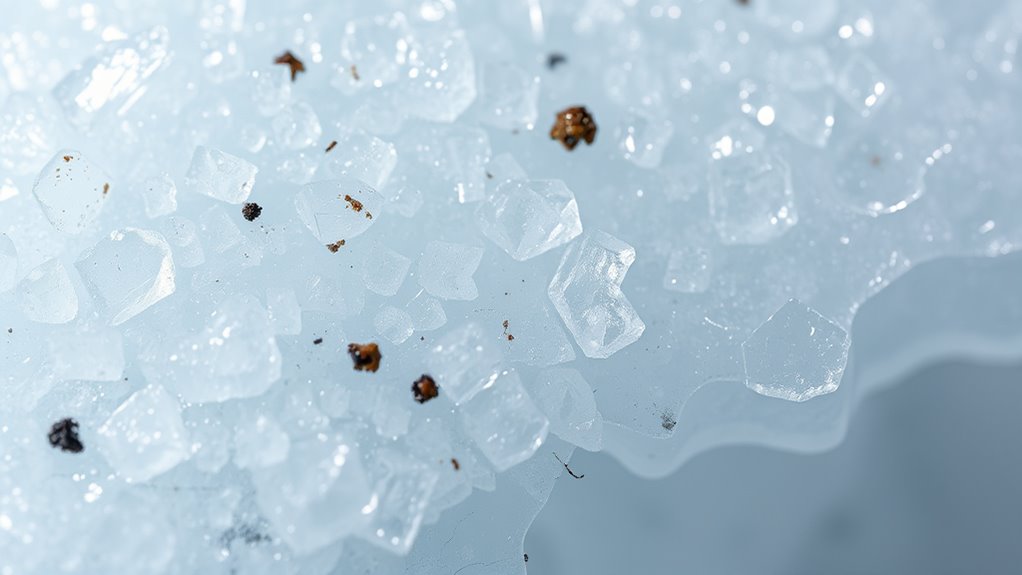
Scientists have successfully revived an ancient virus frozen in permafrost for thousands of years, raising concerns about the potential risks of releasing long-dormant pathogens. As climate change accelerates, permafrost melting becomes more widespread, exposing preserved biological materials that have remained untouched for millennia. This thawing process not only threatens to release ancient microbes but also offers a rare glimpse into viral evolution and the history of life on Earth. You might wonder how these long-buried viruses adapt over such vast periods, and studying them helps scientists understand their mutation patterns and resilience. Additionally, the ability of some viruses to remain relatively unchanged in such extreme cold conditions highlights the preservation capabilities of permafrost. Permafrost melting plays a vital role in revealing these ancient entities. When the icy layers thaw, viruses trapped in the ice can become active again, potentially infecting modern organisms. While most of these viruses are harmless or incapable of infecting current species, the possibility exists that some could pose health risks. This situation underscores the significance of closely monitoring melting permafrost regions, especially in Arctic areas where temperature rises are most pronounced. As the frozen ground recedes, scientists have a unique opportunity to analyze viral evolution over thousands of years, observing how these pathogens have changed or remained stable through time.
The revival of ancient viruses demonstrates how viral evolution continues even in frozen states. Some viruses have remained relatively unchanged, suggesting that extreme cold can preserve their genetic material for millennia. Others have undergone significant mutations, adapting to their environment or possibly becoming more virulent. These insights help researchers understand how viruses evolve under different conditions and could inform future strategies for dealing with emerging infectious diseases. The exposure of these viruses due to permafrost melting presents both a scientific discovery and a warning, highlighting the need for cautious investigation before any potential risks are realized.
Moreover, the study of these ancient viruses offers clues about early life forms and the environmental conditions of past eras. By analyzing their genetic makeup, scientists can reconstruct aspects of ancient ecosystems and better understand how viruses have co-evolved with their hosts over time. This knowledge enriches our understanding of viral resilience and adaptability, emphasizing the importance of studying these frozen remnants before they are lost forever. The ongoing thawing of permafrost not only challenges our perceptions of ancient life but also urges us to think about the long-term implications of climate change, especially as it relates to the re-emergence of long-dormant pathogens that could impact modern ecosystems and human health.
Frequently Asked Questions
Could This Ancient Virus Pose a Threat to Modern Humans?
Yes, this ancient virus could pose a threat to modern humans. Permafrost microbial and ancient DNA research shows that some revived viruses might still be infectious. While most ancient microbes are harmless, there’s a potential risk if a pathogen is reactivated. You should stay informed on scientific findings and support research efforts to understand these threats better. Precautions are essential as scientists study how these ancient viruses could impact today’s health.
How Long Can Viruses Remain Viable in Permafrost?
Time is a silent guardian of viral longevity in permafrost, allowing viruses to remain viable for thousands of years. Thanks to permafrost preservation, some viruses can survive for up to 100,000 years or more. This icy vault shields them from decay, making their longevity astonishing. You should realize that this incredible preservation underscores the importance of studying ancient viruses—they remind us how long viral particles can endure in frozen silence.
What Techniques Are Used to Revive Ancient Viruses?
You use genetic sequencing to analyze the ancient virus’s DNA or RNA, identifying its genetic material. Then, you attempt viral cultivation by introducing the genetic material into host cells in a controlled environment. This process helps revive the virus, allowing you to study its structure and behavior. Combining these techniques lets you explore the virus’s origins and understand its potential impact, shedding light on early life and viral evolution.
Are Other Ancient Pathogens Preserved in Permafrost?
Imagine stumbling upon a frozen treasure trove—permafrost microbial preservation suggests other ancient pathogens might also be waiting. Scientists use advanced techniques for ancient pathogen detection, revealing a variety of preserved microbes. While some could pose risks, most are studied carefully to understand early life and climate history. So yes, permafrost can host a range of ancient pathogens, offering insights into Earth’s past and guiding future research.
What Implications Does This Discovery Have for Climate Change?
You should be concerned that permafrost melting could lead to pathogen resurgence, potentially releasing ancient viruses and bacteria. As climate change accelerates, melting permafrost exposes preserved microorganisms, increasing the risk of new or re-emerging diseases. This discovery highlights the urgent need to monitor these environments closely, understand the implications for public health, and develop strategies to prevent possible outbreaks resulting from the release of dormant pathogens.
Conclusion
As you imagine the icy depths of the permafrost, now awakening with ancient secrets, you realize how much we still have to learn about our planet’s history. That tiny virus, frozen in time, sparks a sense of wonder and caution. It’s a vivid reminder that as climate change thaws these icy graveyards, we may uncover more surprises—and risks—hidden beneath the surface. The past whispers, urging us to be careful with the future.