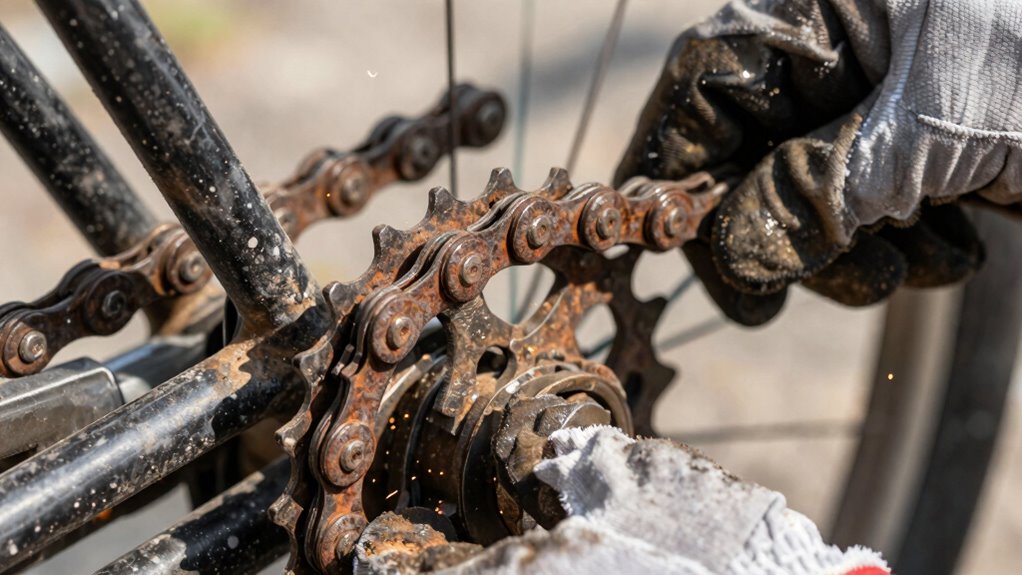

Friction is what allows you to grip surfaces, walk without slipping, and control movement, all by resisting motion and turning kinetic energy into heat. It comes from microscopic bumps on surfaces that catch on each other, providing stability and safety. Without friction, standing, driving, or holding objects would be impossible, making everyday life chaotic. If you want to discover how this invisible force shapes your daily actions, keep exploring its fascinating role.

Prime made for students and young adults
- Fast, free delivery for dorm and study essentials
- Prime Video and Amazon Music included
- Member-only deals
Key Takeaways
- Friction enables controlled movement by resisting slipping between surfaces.
- It converts kinetic energy into heat, preventing uncontrollable motion.
- Surface roughness increases friction, providing grip for walking, driving, and handling objects.
- Friction ensures safety and stability in daily activities and transportation.
- Without friction, objects would slide uncontrollably, making movement and safety impossible.
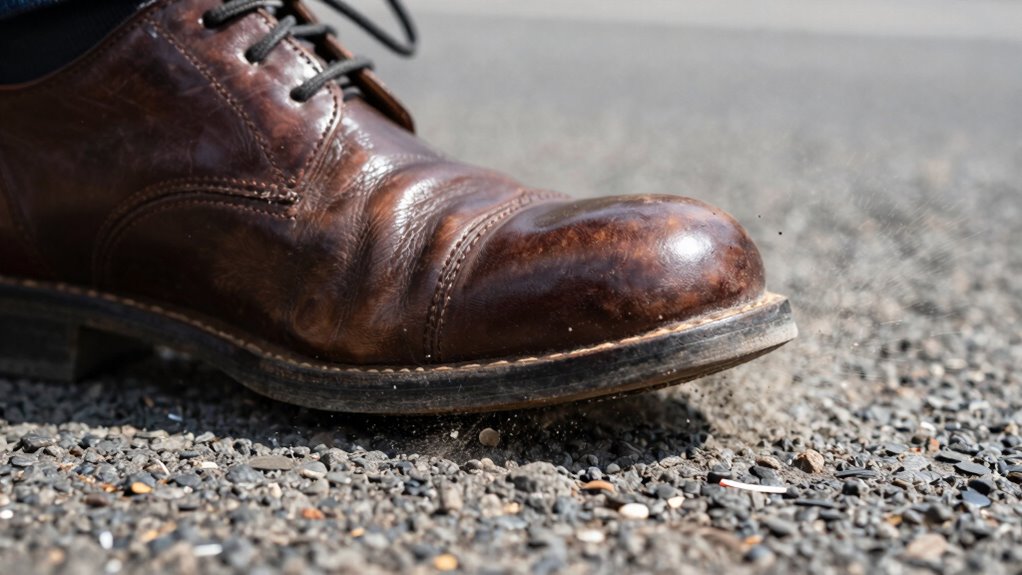
Have you ever wondered what keeps your car from sliding on icy roads or how your shoes grip the ground? The answer lies in friction, a force that acts parallel to surfaces in contact. Friction depends heavily on surface roughness, which refers to the microscopic bumps and valleys that exist on any material. These tiny imperfections interact when two surfaces meet, creating resistance. The rougher the surfaces, the more these irregularities catch on each other, increasing friction. But friction isn’t just about grip; it also involves energy dissipation. When your shoes push against the ground or a car’s tires roll over pavement, the irregularities continuously slide and stick, converting kinetic energy into heat. This process of energy dissipation is essential because it prevents objects from slipping uncontrollably and allows for controlled movement.
Friction, driven by surface roughness, converts kinetic energy into heat, enabling controlled movement and preventing slipping.
Without surface roughness, the contact between objects would be minimal, reducing friction to almost nothing. Imagine trying to walk on freshly polished ice or drive on a perfectly smooth, slick surface—both would be nearly impossible. Friction relies on these microscopic rough patches to generate enough resistance for movement to be controlled and predictable. When you walk, your shoes’ tread pattern and the roughness of the ground work together to create enough grip to push off and move forward without slipping. Similarly, your car’s tires are designed with tread patterns and rubber compounds that maximize surface roughness, thereby increasing friction and preventing skidding.
Energy dissipation plays a key role in how friction functions. Every time two surfaces slide past each other, the microscopic bumps and valleys deform and catch, turning some of the kinetic energy into heat. This loss of energy explains why brakes work—they convert the kinetic energy of a moving vehicle into heat through friction, bringing the vehicle to a stop. Without energy dissipation, the energy would remain as motion, making stopping impossible. This process also explains why frictional heat can wear down surfaces over time, gradually smoothing out roughness and reducing the effectiveness of grip.
In essence, friction allows us to walk, drive, and hold objects securely. It’s an invisible force rooted in surface roughness and energy dissipation, constantly working behind the scenes to guarantee stability and control. Without it, life as we know it—full of movement, safety, and precision—would be impossible. The microscopic imperfections in surfaces are what make friction so essential, transforming raw contact into a powerful force that keeps us grounded and moving forward.
Popular right now

KitchenAid Artisan 5-Qt Tilt-Head Stand Mixer, Cardamom

Sony WH-1000XM4C Wireless Noise-Cancelling Headphones, Black

Philips 4400 Series Fully Automatic Espresso Machine with LatteGo Milk System
As an affiliate, we earn on qualifying purchases.
Frequently Asked Questions
How Does Friction Vary With Different Materials?
Friction varies with different materials because of their interactions and surface roughness. When you compare materials, rougher surfaces generally create more friction due to increased interlocking at the microscopic level. Smooth materials tend to produce less friction. So, the type of material and how rough its surface is directly impact the amount of friction you experience, affecting how objects move or grip against each other.
Can Friction Be Completely Eliminated?
Friction’s role is like a stubborn shadow; it’s nearly impossible to eliminate completely. Surface roughness creates resistance that can’t be entirely erased, as tiny bumps and imperfections always hold on. While lubricants and smooth materials reduce friction considerably, they can’t remove it entirely. You can minimize it, but friction is a fundamental part of how objects grip and move, making life’s interactions possible and safe.
What Are the Types of Friction?
You encounter several types of friction, including static, sliding, rolling, and fluid friction. In sports, friction helps you grip surfaces, enabling better control. In machinery, it can cause wear but also aids in motion. While you can’t eliminate friction completely, reducing it improves efficiency, but some friction is essential for safety and performance. Understanding these types helps you optimize their use in daily activities and mechanical systems.
How Does Friction Impact Energy Efficiency?
Friction impacts energy efficiency by causing energy loss through heat and resistance, which means your machines use more power than necessary. It also leads to wear and tear on moving parts, reducing their lifespan and requiring frequent maintenance. To improve efficiency, you can reduce friction with lubricants or smooth surfaces. This minimizes energy loss and wear, helping your systems run more smoothly and saving you money over time.
Are There Ways to Control or Reduce Friction Intentionally?
You can control or reduce friction through lubrication techniques and surface engineering. Studies show that proper lubrication can cut friction by up to 90%, boosting efficiency and lifespan. By applying lubricants like oils or greases, you minimize contact between surfaces. Surface engineering, such as coatings or texturing, also helps by creating smoother or tailored surfaces. These methods allow you to intentionally manage friction, improving performance and reducing wear in mechanical systems.
Conclusion
Without friction, even simple tasks like walking or driving would be impossible. Imagine trying to move without any resistance—you’d slip and slide endlessly. Did you know that the friction between your shoes and the ground provides the grip you need to stand firm? It’s a tiny force with a huge impact, making daily life possible. So next time you walk or drive, remember: friction isn’t just a nuisance, it’s the reason you can do everything you take for granted.