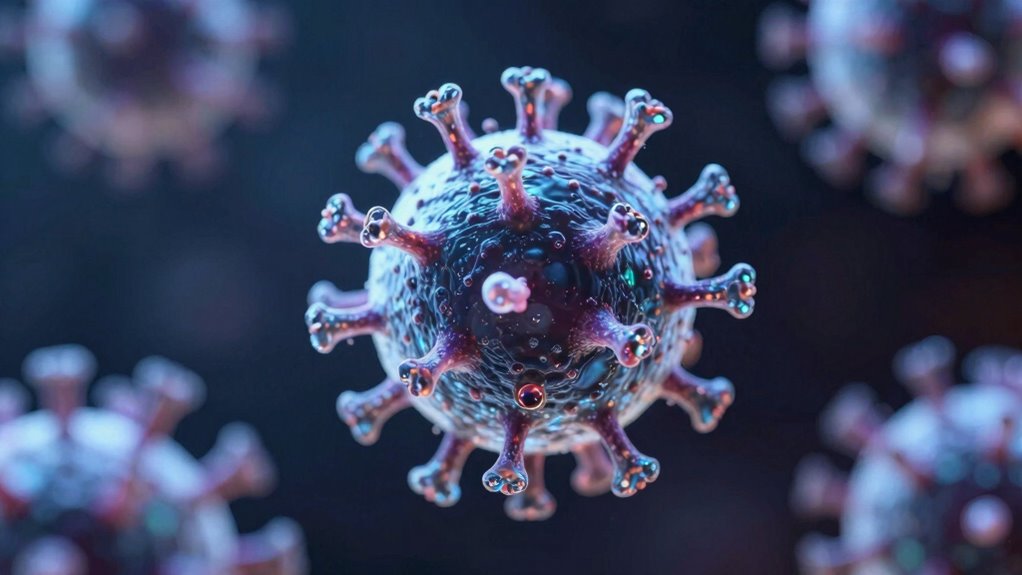

Viruses aren’t truly alive because they can’t grow, reproduce, or carry out metabolic processes on their own. Instead, they depend entirely on host cells to replicate and assemble new viral particles. This unique nature blurs the line between living and non-living, challenging traditional definitions of life. Understanding what viruses are involves recognizing their genetic material and how they hijack host machinery. If you keep exploring, you’ll discover even more about these fascinating biological entities.
Key Takeaways
- Viruses lack independent metabolism and cannot reproduce without a host, placing them at the edge of life.
- They contain genetic material but do not carry out vital life processes on their own.
- Their dependence on host cells for replication and energy makes them non-living entities.
- Viruses exhibit genetic change and evolution, blurring the line between living and non-living.
- They challenge traditional definitions of life, existing as entities that are neither fully alive nor dead.
Top picks for "virus aren really"
Open Amazon search results for this keyword.
As an affiliate, we earn on qualifying purchases.
Are Viruses Alive? The Scientific Debate
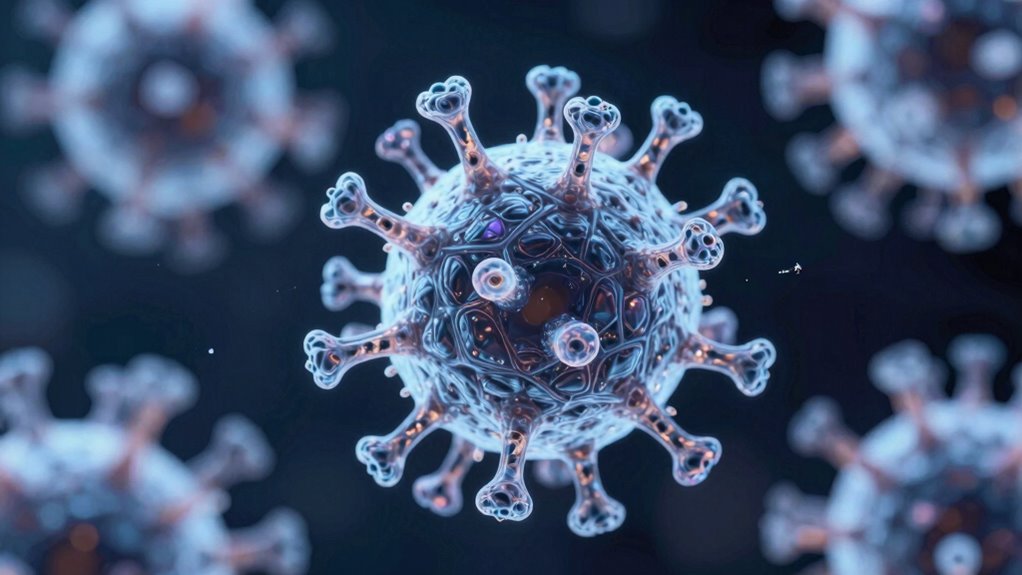
Have you ever wondered whether viruses should be considered alive? Scientists debate this question because viruses exhibit viral evolution, constantly changing through genetic mutations. This ability to adapt suggests some characteristics of living organisms. However, they also have strict host specificity, meaning they can only infect certain cells, which raises questions about their independence. Unlike living beings, viruses lack cellular structure and can’t reproduce on their own—they need a host cell’s machinery. Some argue that their capacity for genetic change points to life, while others see them as complex chemicals. The debate continues because viruses blur the line between living and non-living, forcing us to reconsider what it really means to be alive.
How Are Viruses Different From Living Things?
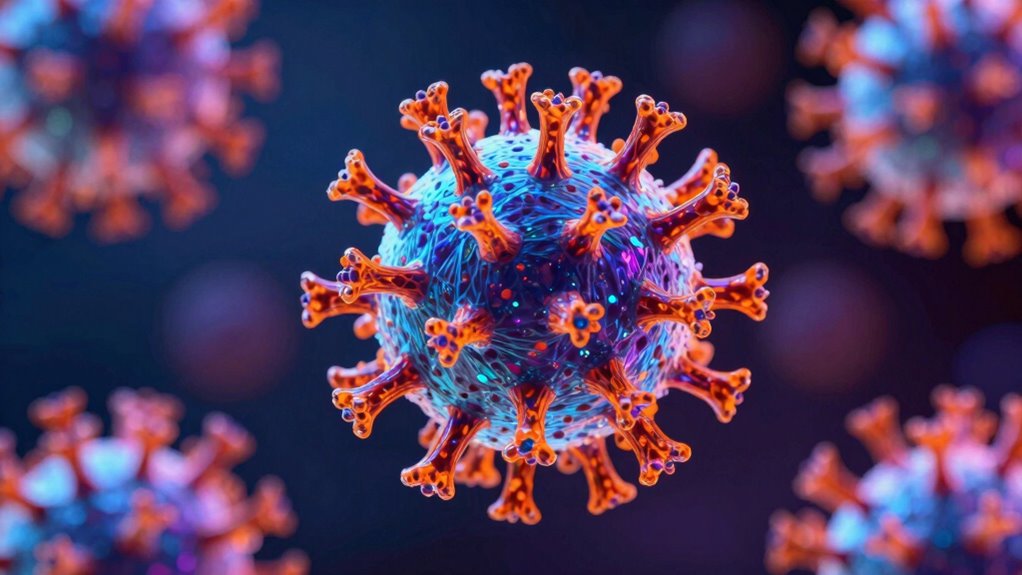
You might notice that viruses differ from living things in their biological status, as they can’t carry out life processes on their own. Instead, they rely on hijacking host cells to reproduce, unlike living organisms that grow and reproduce independently. This fundamental difference raises questions about whether viruses should be considered alive at all.
Biological Status Differences
Viruses differ from living organisms primarily because they cannot carry out essential life processes on their own. They lack genetic autonomy, meaning they depend on host cells for replication and metabolism. Unlike living things, viruses don’t have the ability to grow, produce energy, or maintain homeostasis independently. Their structural complexity is minimal compared to cells; they consist mainly of genetic material encased in a protein coat called a capsid. This simplicity limits their biological status, making them more like molecular packets rather than living entities. While they can evolve and adapt, viruses do not meet the criteria for life without a host. Their biological status hinges on their dependence, highlighting the fundamental difference between viruses and truly living organisms. Additionally, because viruses lack cellular structure, they are classified as biological entities rather than living organisms in the traditional sense. Understanding their dependence on host cells is crucial to grasping why viruses are considered neither fully alive nor dead but occupy a unique biological niche.
Reproduction Methods Variance
Unlike living organisms that reproduce through cell division or other autonomous processes, viruses rely entirely on their host cells to replicate. They inject their genetic material into a host, hijacking its machinery to produce new virus particles. This dependence means their reproduction methods can vary markedly, influenced by host specificity—viruses typically infect only certain cell types or species. Additionally, during replication, viral mutation occurs frequently, leading to genetic diversity that can affect infectivity and immune evasion. This high mutation rate allows viruses to adapt quickly, unlike most living organisms with more stable genomes. Because viruses cannot reproduce on their own, they blur the line between living and non-living entities, highlighting their unique reproductive strategies rooted in dependence and genetic variability. Moreover, the composite nature of viruses, combining both living and non-living characteristics, underscores their complex role in biological systems. Their ability to rapidly evolve and adapt through genetic variability significantly impacts how they interact with hosts and evade immune responses. This genetic flexibility is partly due to their high mutation rates, which are a distinctive feature compared to most living organisms.
What Is the Genetic Material of Viruses?
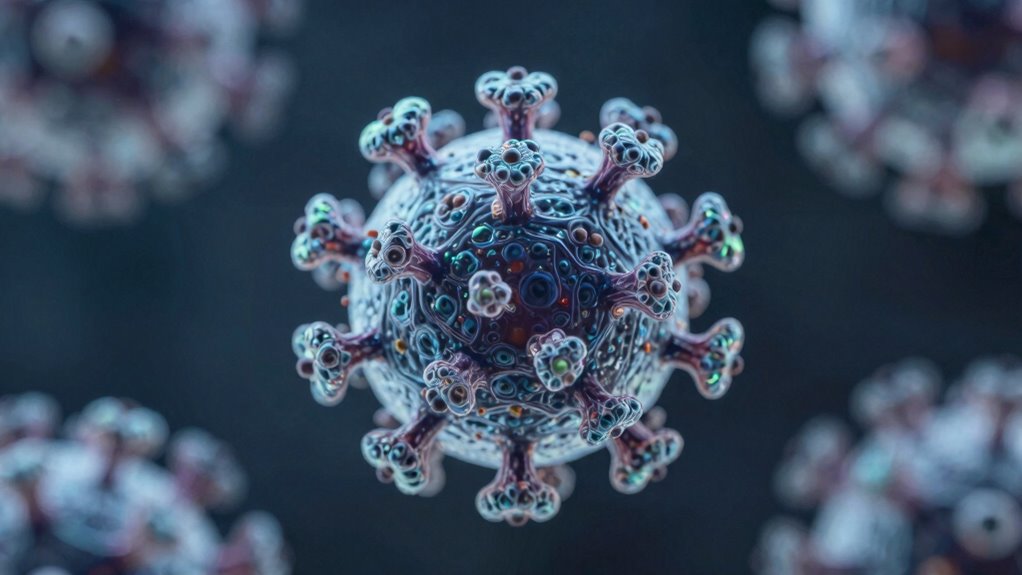
Have you ever wondered what kind of genetic material allows viruses to reproduce? Viruses carry a viral genome made of either DNA or RNA, which contains all the instructions they need to hijack host cells. Unlike living organisms, their genetic material is simple and compact. Some viruses have double-stranded DNA, others single-stranded RNA, and a few have single-stranded DNA. This diversity influences how they infect and replicate. Here’s a quick overview:
| Viral Genome Type | Characteristics |
|---|---|
| Double-stranded DNA | Similar to human DNA, stable |
| Single-stranded RNA | More prone to mutation, quick evolution |
| Single-stranded DNA | Less common, adaptable |
| Retroviruses | RNA that reverse-transcribes into DNA |
Some viruses, like retroviruses, utilize unique mechanisms such as reverse transcription to integrate into host genomes.
How Do Viruses Reproduce Without Being Alive?
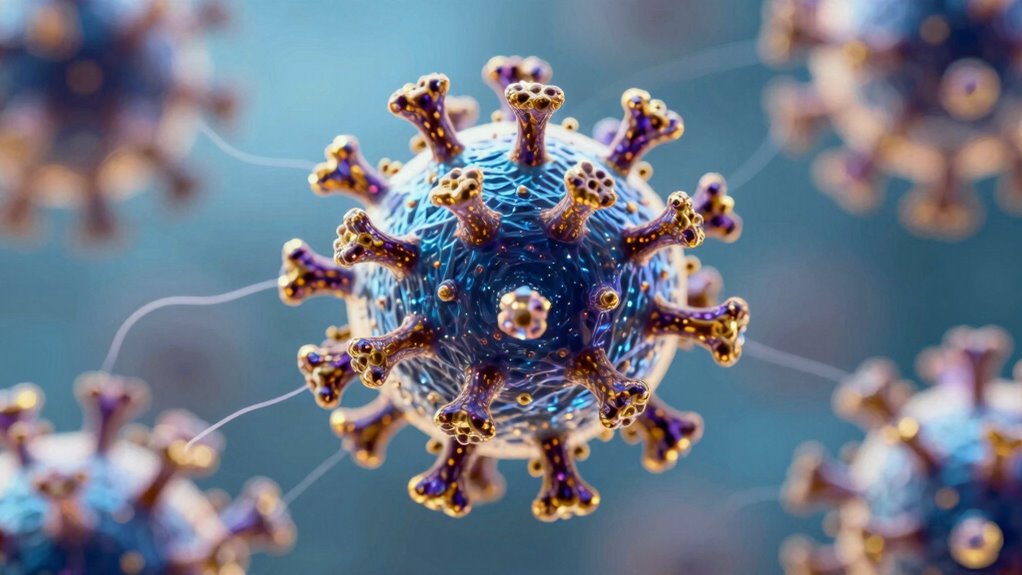
Viruses reproduce by hijacking your cells, turning them into virus factories. They don’t grow or divide on their own but rely on your cellular machinery to make copies of themselves. This process, called replication, allows them to multiply without being considered truly alive. Because viruses lack cellular structures and metabolic processes, they are often described as not truly alive entities. Interestingly, their ability to evolve rapidly through mutation and natural selection contributes to their persistence and adaptability across different hosts. Their classification as vetted entities highlights the ongoing scientific debate about their nature and status. Understanding their biological characteristics helps clarify why viruses are considered unique in the biological world.
Viral Hijacking Host Cells
Although viruses are not alive in the traditional sense, they are experts at hijacking host cells to reproduce. This process, called viral hijacking, begins when a virus attaches to a host cell’s surface, using specific proteins to latch on. Once attached, the virus injects its genetic material into the host cell, effectively taking control. The host cell then becomes a factory for producing new viruses, following instructions from the viral genetic code. During this process, the host cell’s machinery is commandeered to transcribe and translate viral genes, creating viral proteins and copies of the viral genome. Ultimately, the host cell releases the newly assembled viruses, often destroying itself in the process, ready to infect neighboring cells. This clever hijacking allows viruses to reproduce without being alive themselves.
Reproduction Through Replication
Once a virus has injected its genetic material into a host cell, it begins the process of reproduction through replication. During this stage, the virus hijacks the host’s cellular machinery to copy its genetic material, facilitating genetic transfer from virus to host cell. This cellular invasion allows the virus to produce new viral components—core genetic material and protein capsids. These parts are assembled into new virions, which then exit the host cell to infect others. Unlike living organisms, viruses don’t grow or metabolize on their own; instead, they rely entirely on the host’s cellular processes. Replication enables viruses to multiply rapidly, spreading infection without being considered alive, since they lack independent metabolic functions and cannot reproduce without a host. Understanding viral replication helps clarify why viruses are classified as biological entities that exist at the edge of life. Their unique reproductive strategy further emphasizes their position between living and non-living entities. Additionally, the absence of metabolic activity means viruses cannot carry out energy production independently, reinforcing their dependency on host cells.
Do Viruses Have Metabolism or Grow?
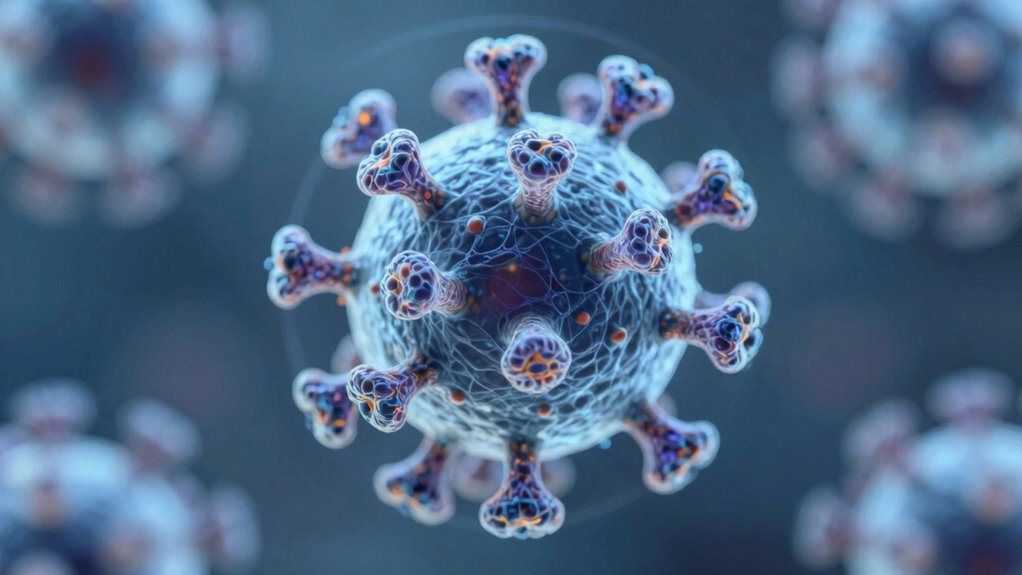
Viruses do not have metabolism or the ability to grow on their own because they lack the cellular machinery necessary for these processes. They do not perform metabolic activity, such as producing energy or synthesizing molecules, outside of a host cell. Instead, viruses rely entirely on the host’s cellular machinery to replicate and assemble new virus particles. Without a host, they remain inert and do not undergo any growth processes. Unlike living organisms, viruses don’t consume nutrients or generate waste through metabolic pathways. Their existence depends on hijacking host cells to carry out these functions. This reliance on a host makes viruses fundamentally different from living cells that can independently sustain metabolic activity and growth.
What Are the Implications of Viruses’ Non-Living Nature for Disease Treatment?
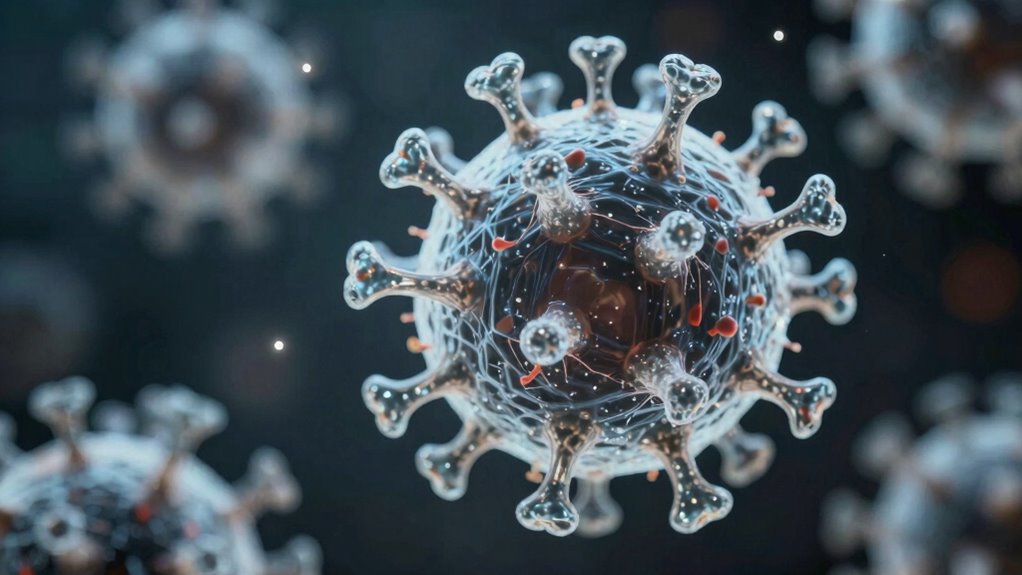
Because viruses are not alive and lack cellular machinery, treating viral infections demands different therapeutic strategies from those used for bacteria or other pathogens. You can’t target metabolism or growth directly, so prevention becomes key. Vaccines are essential for stimulating your immune system to recognize and fight viruses early. Antiviral drugs often work by inhibiting viral replication rather than destroying the virus itself. This approach highlights the importance of vaccine development, which aims to build immunity before infection occurs. The emotional impact of this challenge is shown below:
| Hope & Prevention | Fight & Resistance | Scientific Innovation | Personal Impact |
|---|---|---|---|
| Vaccines save lives | Resistance develops | New drugs emerge | Your health matters |
| Confidence grows | Outbreaks control | Research advances | Protect loved ones |
| Community immunity | Treatment options | Future cures | Stay vigilant |
How Does Thinking of Viruses as Non-Living Change Our View of Life?
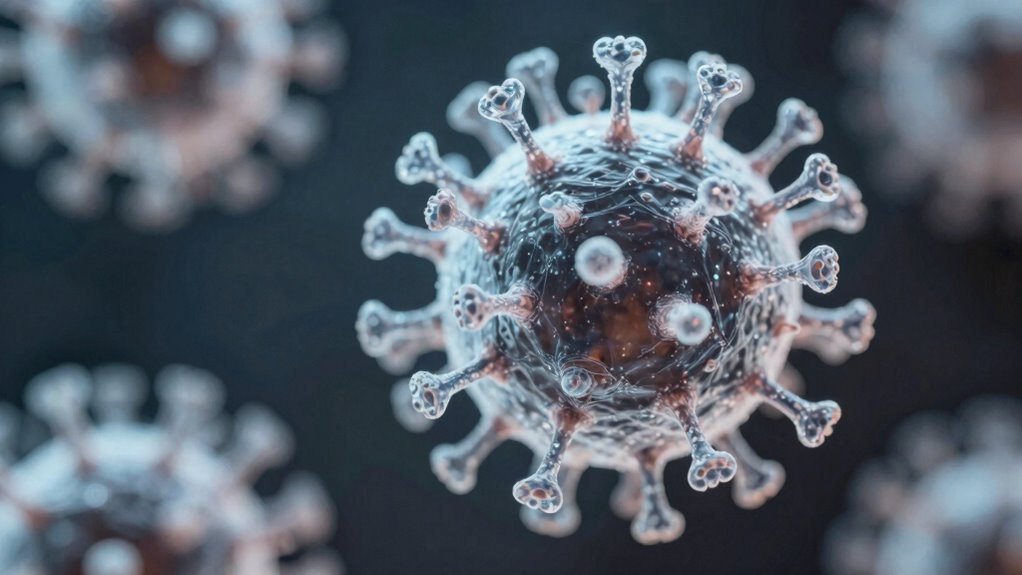
Have you ever thought about what it means for something to be alive? If viruses aren’t alive, it challenges how we see life itself. Without metabolism or cellular structure, viruses rely on host cells, making their viral evolution more about genetic shifts than biological growth. This view highlights their genetic diversity, which allows viruses to adapt rapidly through mutations. Recognizing viruses as non-living shifts the focus from traditional traits of life to understanding their capacity for change. It emphasizes that life isn’t just about independent organisms but also includes entities that evolve through genetic variation, even without metabolism. This perspective broadens our understanding of biology, showing that life’s definition can extend beyond what’s traditionally considered alive.
Are There Any Borderline Cases or Exceptions in Virus Classification?
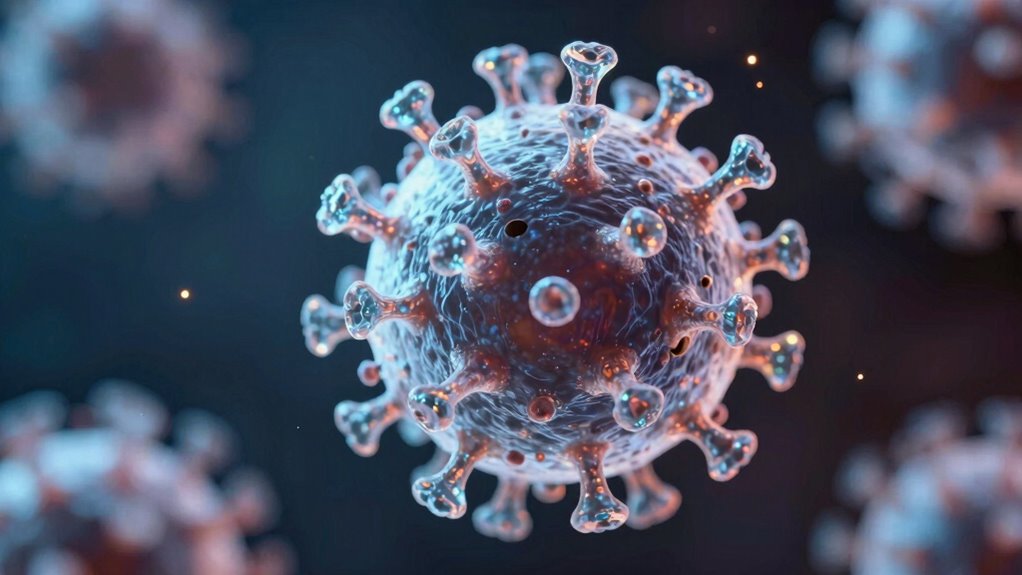
While most viruses neatly fit into the non-living category, some borderline cases challenge this clear-cut classification. These virus exceptions blur the line between living and non-living entities. For example, viroids and prions are often considered virus exceptions because they lack some features typical of viruses but still cause diseases. Additionally, giant viruses like Mimivirus possess complex structures and large genomes, making them seem more alive than traditional viruses. These borderline cases provoke questions about what truly defines life. They suggest that virus classification isn’t always straightforward, and some entities sit on the spectrum rather than fitting neatly into categories. Recognizing these exceptions helps you understand that virus classification can be complex, and the boundaries between living and non-living may not be absolute.
Frequently Asked Questions
Can Viruses Evolve or Adapt Like Living Organisms?
Yes, viruses can evolve and adapt like living organisms through viral mutation and adaptation mechanisms. When viruses infect hosts, they often undergo genetic changes, allowing them to better survive or evade immune responses. These mutations can lead to new strains, making vaccines less effective. By continuously evolving, viruses demonstrate remarkable adaptability, even though they aren’t considered truly alive, highlighting their ability to change rapidly in response to environmental pressures.
How Do Viruses Interact With Host Immune Systems?
Imagine your immune system as a vigilant sentry, constantly fighting off intruders. Viruses interact with it by evading immune response through immune evasion tactics, like mutating surface proteins or hiding inside cells. They don’t attack directly but instead slip past defenses, making it tricky for your immune system to recognize and destroy them. This stealthy interaction is what allows viruses to persist and cause infections despite your body’s defenses.
Are There Viruses That Challenge the Non-Living Classification?
Yes, some viruses challenge the non-living classification because they perform viral reproduction and engage in genetic exchange. You might find viruses like bacteriophages that infect bacteria, actively hijacking host cells to replicate their genetic material. These processes blur the line between living and non-living, as viruses demonstrate complex behaviors like genetic exchange during infection, making them unique entities that challenge traditional definitions of life.
What Role Do Viruses Play in Ecological Systems?
You might find it fascinating that viruses play subtle, yet essential roles in ecosystems. Viruses’ ecological impacts include controlling population balances by infecting specific hosts, which helps maintain biodiversity. Viral roles in ecosystems extend to influencing nutrient cycles, releasing organic matter as they break down cells. By shaping microbial communities, viruses help sustain healthy environments, proving their significance beyond just being agents of disease—they’re key players in life’s intricate web.
Could Viruses Ever Be Considered a Form of Life in the Future?
You might consider viruses a form of life in the future if viral classification evolves to include more complex traits. Their evolutionary potential, driven by rapid mutation and gene exchange, suggests they could develop features resembling living organisms. Advances in science could blur the line between non-living and living, making viruses seem more like autonomous life forms. So, yes, future discoveries might reframe how we classify viruses as living entities.
Conclusion
Think of viruses as elusive shadows, neither fully alive nor dead, dancing on the edge of existence. Their non-living nature reminds you that life isn’t always black and white—sometimes it’s a delicate spectrum. Just like a key that unleashes new understanding, recognizing their unique status opens your mind to the mysteries of biology. Embrace the enigma, for in it lies the beauty of discovery and the endless quest to understand what truly makes us alive.