
Digital twins are virtual copies of physical assets or systems that you can use to predict problems early. By integrating real-time data from sensors and IoT devices, these digital models mirror real-world conditions. They let you simulate scenarios, identify potential issues, and optimize performance proactively. This approach helps you enhance safety, reduce downtime, and improve efficiency. If you want to understand how digital twins transform engineering and prediction, there’s much more to explore.

Prime made for students and young adults
- Fast, free delivery for dorm and study essentials
- Prime Video and Amazon Music included
- Member-only deals
Key Takeaways
- Digital twins are virtual replicas of physical assets, enabling real-time monitoring and early problem detection.
- They simulate various scenarios to predict potential failures and optimize performance proactively.
- Continuous data synchronization from sensors ensures accurate and timely insights into system behavior.
- They help identify issues early, reducing downtime and maintenance costs through predictive analytics.
- Digital twins support engineers in making informed decisions, improving safety, efficiency, and sustainability.
digital twin software for engineering
As an affiliate, we earn on qualifying purchases.
As an affiliate, we earn on qualifying purchases.
What Are Digital Twins and How Do They Work?
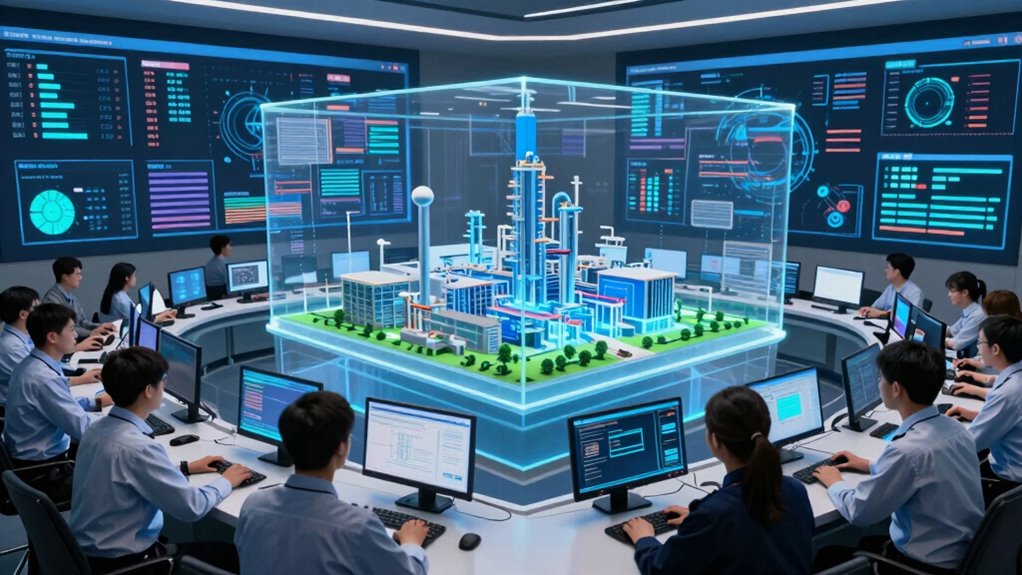
Digital twins are virtual replicas of physical assets, processes, or systems that enable real-time monitoring and simulation. They work by creating a digital model that mirrors the physical counterpart through virtual replication. This allows you to observe and analyze the asset’s behavior without physical intervention. Data synchronization is key—your digital twin continuously receives updates from sensors and IoT devices, ensuring the virtual model stays current with real-world changes. This seamless flow of data allows you to simulate scenarios, predict potential issues, and optimize performance proactively. By maintaining an accurate virtual representation through ongoing data synchronization, digital twins give you a powerful tool to understand complex systems better and make informed decisions swiftly. Additionally, the use of high-quality data from advanced sensors enhances the accuracy and reliability of the digital twin’s predictions and simulations. Incorporating energy-efficient computing into digital twins can further improve sustainability and reduce operational costs over time. Moreover, advancements in edge computing can help process data locally, reducing latency and enhancing real-time responsiveness. Reliable data sources are essential for maintaining the integrity and usefulness of digital twin models, ensuring they reflect the true state of physical assets at all times. Leveraging standardized data formats can facilitate interoperability between different digital twin platforms and systems.
IoT sensors for industrial monitoring
As an affiliate, we earn on qualifying purchases.
As an affiliate, we earn on qualifying purchases.
What Technologies Enable Digital Twins in Engineering?
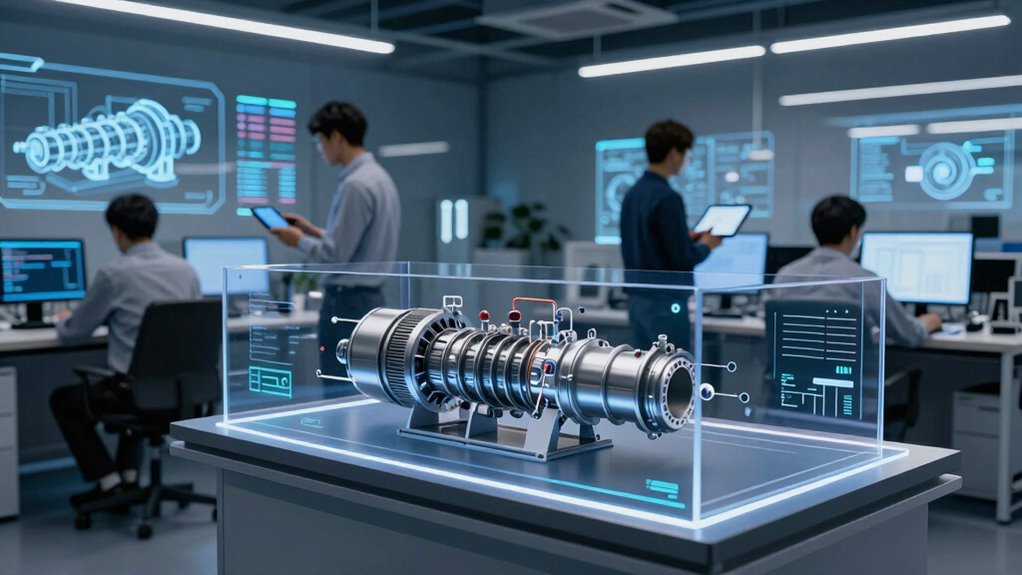
You rely on IoT devices and sensors to gather real-time data from physical assets, forming the backbone of digital twins. Advanced simulation software processes this data, creating accurate virtual models for analysis and testing. Together, these technologies enable engineers to monitor, predict, and optimize systems effectively. Additionally, support breakfast of digital twin technology continues to grow as its applications expand across various engineering fields, driven by the development of simple systems that make complex data more accessible. The integration of power tools and heavy-duty equipment in digital twin models allows for precise simulation of real-world operations, enhancing predictive maintenance and operational efficiency.
IoT and Sensors Integration
The integration of IoT devices and sensors is essential for enabling effective digital twins in engineering. To guarantee accurate data collection, sensor calibration is critical; properly calibrated sensors provide reliable measurements that reflect real-world conditions. As data flows continuously, data security becomes a top priority to protect sensitive information from cyber threats. You need robust encryption methods and secure communication protocols to safeguard your digital twin environment. Additionally, seamless connectivity between sensors and IoT platforms allows real-time data transfer, enabling timely insights. Without proper integration, your digital twin’s predictive capabilities diminish. By focusing on sensor calibration and data security, you ensure your digital twin remains precise, trustworthy, and resilient—key factors for successful engineering applications. Incorporating real-time data transfer concepts can also help optimize system performance and adaptability. Ensuring compatibility with standardized protocols enhances integration and data sharing across different systems.
Advanced Simulation Software
Advanced simulation software forms the backbone of effective digital twins by enabling detailed modeling and analysis of complex engineering systems. It allows you to create virtual models that replicate real-world components, processes, and environments with high accuracy. This virtual modeling helps identify potential issues before they occur, saving time and resources. Data analytics play a vital role by processing vast amounts of sensor data, providing insights into system behavior and performance. You can run simulations under various conditions, predicting how systems respond to different stresses or failures. This integration of virtual modeling and data analytics empowers you to optimize designs, improve maintenance schedules, and enhance operational efficiency. Ultimately, advanced simulation software makes digital twins a powerful tool for proactive engineering and problem-solving.
predictive maintenance digital twin
As an affiliate, we earn on qualifying purchases.
As an affiliate, we earn on qualifying purchases.
How Digital Twins Improve Efficiency and Safety?

Digital twins enhance efficiency and safety by providing real-time simulations of physical assets and systems. With virtual reality, you can immerse yourself in a digital environment, gaining a clearer understanding of complex operations. Data visualization helps you quickly interpret vast amounts of data, making it easier to identify potential issues before they escalate. By modeling processes digitally, you optimize maintenance schedules, reduce downtime, and improve resource allocation. Safety improves because you can test scenarios virtually, training staff without risking actual harm. Real-time feedback from digital twins allows you to make informed decisions faster, minimizing errors and enhancing overall operational performance. This proactive approach guarantees you maintain a safer, more efficient environment while reducing costs and operational risks. Incorporating navigation and mapping techniques from household robots can further enhance your digital twin models by improving spatial accuracy and environment understanding. Additionally, leveraging sensor data integration can increase the precision and responsiveness of digital twin models, ensuring they reflect real-world changes more accurately. Integrating predictive analytics can help anticipate failures before they occur, further boosting operational resilience. Moreover, applying machine learning algorithms enables digital twins to adapt and improve over time, providing even more reliable predictions and insights. Implementing real-time data analysis can also accelerate decision-making processes, making your operational adjustments more dynamic and precise.
real-time data sensors for machinery
As an affiliate, we earn on qualifying purchases.
As an affiliate, we earn on qualifying purchases.
How Digital Twins Help Predict and Prevent Equipment Failures?

By continuously monitoring equipment through digital twins, you can detect early signs of failure before they cause costly breakdowns. Predictive analytics analyzes real-time data to identify patterns that indicate potential issues, enabling you to act proactively. Digital twins simulate how equipment behaves under different conditions, using virtual prototyping to test scenarios without risking actual assets. This process enhances equipment management by providing detailed insights into performance and potential failure points. This allows for early detection of problems, minimizing downtime and repair costs. Additionally, integrating preventive maintenance strategies with digital twins optimizes overall equipment management. Implementing Predictive analytics further refines maintenance schedules, ensuring interventions are timely and data-driven. By leveraging these tools, you enhance reliability and extend the lifespan of your assets, making your maintenance strategies smarter and more efficient. Real-time data plays a crucial role in ensuring the effectiveness of predictive maintenance. Digital twins truly transform reactive maintenance into predictive, preventative care.
Real-World Examples of Digital Twins in Action
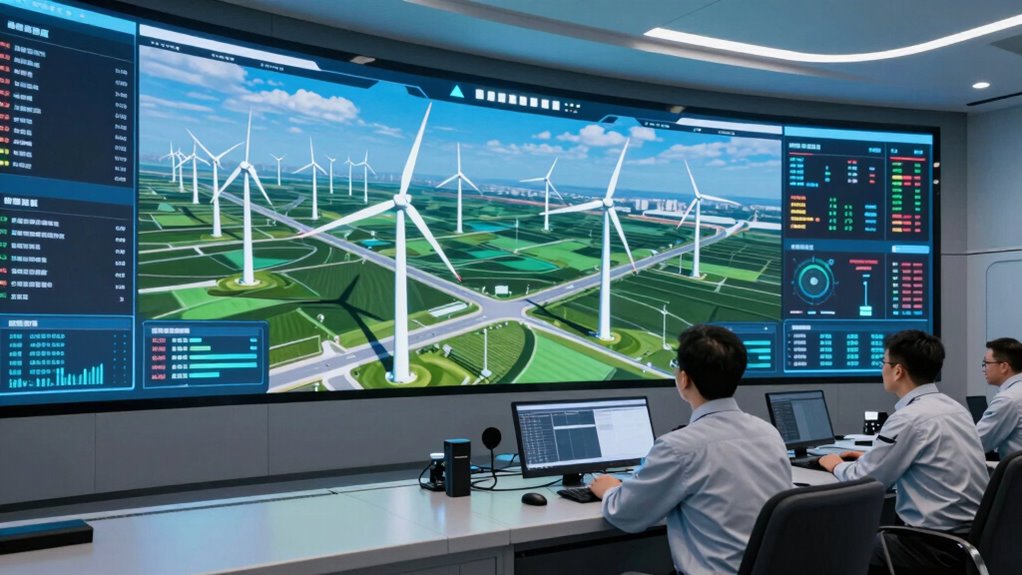
Digital twins are transforming how cities, factories, and hospitals operate by providing real-time insights. You can see how smart city infrastructure stays efficient, manufacturing processes improve, and healthcare equipment is maintained proactively. These examples highlight the tangible benefits digital twins bring to various industries. Understanding the importance of accurate data modeling helps ensure digital twins effectively predict and prevent potential issues before they occur. Accurate data collection and management are crucial for reliable digital twin performance, ensuring their predictions remain precise and actionable.
Smart City Infrastructure Monitoring
Smart city infrastructure relies on real-time data to keep everything running smoothly, and digital twins have become essential tools in achieving this. By creating virtual models of city systems, you can monitor traffic flow, energy use, and public utilities efficiently. These digital twins support urban planning by simulating future developments and optimizing resource allocation. They also help assess environmental impact, enabling you to identify pollution hotspots and reduce emissions proactively. With continuous data updates, you can predict potential failures, minimize disruptions, and improve overall service quality. This approach empowers city managers to make informed decisions quickly, enhancing sustainability and resilience. In real-world applications, these digital twins are transforming how cities maintain infrastructure and plan for growth, ensuring smarter, more sustainable urban environments.
Manufacturing Process Optimization
Manufacturing plants are increasingly turning to digital twins to streamline and optimize their processes. By creating virtual replicas of production lines, you can identify bottlenecks, predict failures, and improve efficiency. Here are four ways digital twins make a difference:
- Enhanced Data Integration for real-time insights
- Improved Data Security to protect sensitive manufacturing info
- Reduced downtime through predictive maintenance
- Increased production quality and consistency
Using digital twins, you can simulate changes before implementing them on the factory floor, saving time and costs. Ensuring robust data security measures and seamless data integration is vital to maximize these benefits. This approach allows you to respond quickly to issues, optimize resources, and maintain a competitive edge in manufacturing.
Healthcare Equipment Maintenance
Healthcare facilities are increasingly adopting digital twins to monitor and maintain medical equipment more effectively. By creating virtual replicas of devices like MRI machines and ventilators, you can use predictive analytics to identify potential failures before they happen. This proactive approach reduces downtime and extends equipment lifespan. Data visualization tools provide clear, real-time insights into machine performance, helping you quickly spot anomalies. Digital twins enable you to simulate different scenarios, optimize maintenance schedules, and allocate resources efficiently. As a result, your team can make informed decisions that enhance patient safety and operational efficiency. Implementing this technology transforms maintenance from reactive repairs to strategic planning, ensuring medical equipment remains reliable and available when patients need it most.
What Are the Main Challenges of Using Digital Twins?
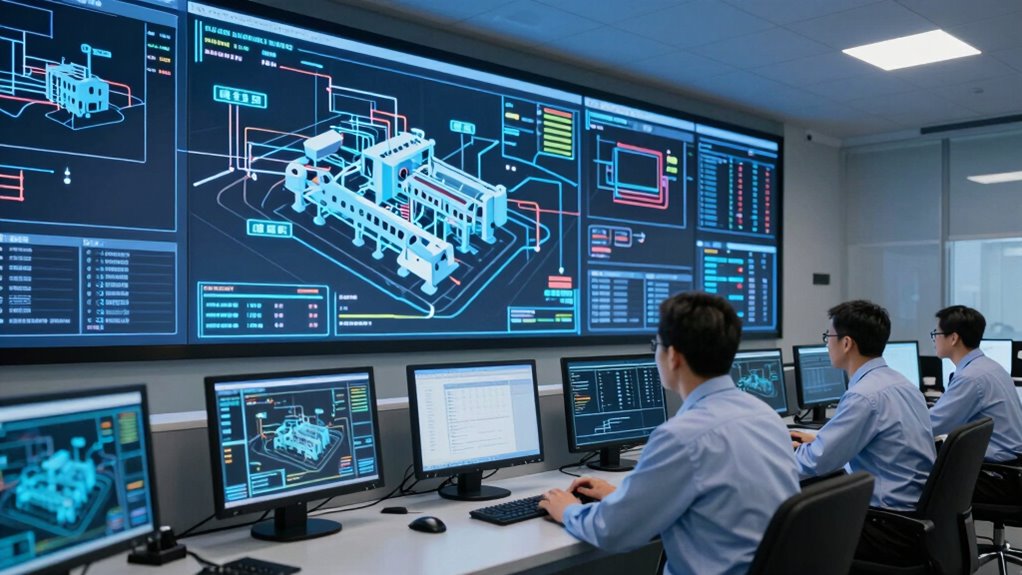
Implementing digital twins comes with several significant challenges that organizations must address. First, cost barriers can be high, as developing and maintaining these models requires substantial investment. Second, data privacy is a critical concern; handling sensitive information demands strict security measures. Third, integrating digital twins with existing systems can be complex, requiring technical expertise and seamless data flow. Lastly, ensuring data accuracy and real-time updates is essential for reliable predictions, yet challenging to maintain consistently. Overcoming these hurdles is essential for leveraging digital twins effectively. While the benefits are substantial, understanding and managing these challenges will help you maximize their potential and avoid costly setbacks.
How to Start Implementing Digital Twins in Your Projects?
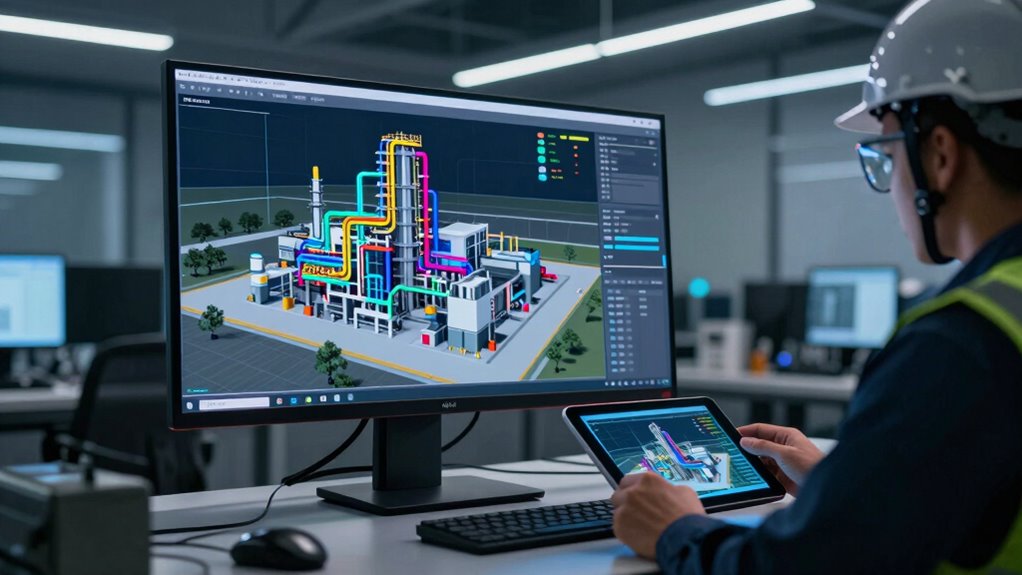
Starting your digital twin journey involves clearly defining your project goals and identifying the specific assets or processes you want to model. This clarity helps streamline digital twin adoption and ensures your efforts align with your operational needs. Next, assess the implementation challenges you might face, such as data integration, sensor setup, and software compatibility. Address these early on by choosing scalable tools and establishing a solid data infrastructure. Collaborate with stakeholders across departments to foster a shared understanding and smooth integration. Start small with a pilot project to test concepts and learn from initial results. As you gain confidence, expand your digital twin applications gradually. Keeping focus on your objectives and addressing implementation challenges early sets a strong foundation for successful digital twin integration.
What Are the Future Trends in Digital Twin Technology?

As digital twin technology continues to evolve, emerging trends are shaping its future capabilities and applications. You can expect advancements like:
- Quantum computing integration, which will dramatically boost simulation speed and accuracy.
- Enhanced AI-driven analytics, making digital twins more predictive and autonomous.
- Increased focus on ethical considerations, ensuring data privacy and responsible use.
- Broader adoption across industries, from healthcare to manufacturing, driven by improved interoperability.
These trends will make digital twins smarter, faster, and more ethically aligned. Quantum computing will emancipate new levels of simulation complexity, while ethical considerations will guide responsible deployment. Staying ahead means embracing these innovations to unbolt the full potential of digital twin technology in your projects.
Frequently Asked Questions
How Do Digital Twins Adapt to Changing Real-World Conditions?
Digital twins adapt to changing real-world conditions by continuously receiving real-time updates from sensors. You should guarantee sensor calibration remains accurate so the data stays reliable. As conditions change, the digital twin updates dynamically, reflecting these shifts instantly. This real-time data allows you to predict issues early and optimize performance, ensuring the digital twin remains an accurate, effective tool for managing evolving environments and preventing potential problems before they escalate.
What Industries Benefit Most From Digital Twin Applications?
Think of industries like manufacturing, healthcare, and energy as thriving gardens that digital twins help tend. You use virtual reality and predictive analytics to simulate scenarios, optimize operations, and prevent failures before they happen. These applications allow you to anticipate issues, improve efficiency, and innovate faster. By mimicking real-world conditions, digital twins empower you to make smarter decisions, ensuring your industry stays resilient and ahead of the curve.
Are Digital Twins Cost-Effective for Small-Scale Projects?
Digital twins can be cost-effective for small-scale projects if you carefully conduct a cost analysis and consider scalability concerns. While they might involve initial investment, they help you identify issues early and reduce maintenance costs. If your project’s scope is limited, guarantee the digital twin solution is scalable and affordable, avoiding unnecessary complexity. This way, you maximize benefits without overspending, making digital twins a smart choice even for smaller endeavors.
How Is Data Security Maintained in Digital Twin Systems?
You’re shielded from breaches through strict cybersecurity protocols and data encryption. Imagine your data as a vault, sealed tight with advanced encryption that only authorized systems can open. Regular security updates and multi-factor authentication act like guards, watching for threats. This layered approach guarantees your digital twin’s sensitive information stays safe, preventing unauthorized access and maintaining trust in your predictive system’s integrity.
Can Digital Twins Integrate With Existing Legacy Infrastructure?
Yes, digital twins can integrate with your existing legacy infrastructure by focusing on infrastructure compatibility. You’ll need to use specialized APIs and middleware that bridge modern digital systems with older equipment. This approach allows seamless data exchange and process synchronization. By prioritizing legacy integration, you can enhance your digital twin’s effectiveness without replacing your entire infrastructure, ultimately increasing efficiency and enabling better predictive maintenance.
Conclusion
Embracing digital twins opens a gentle pathway toward smarter, more resilient engineering. While the journey may have its subtle curves, each step offers a chance to refine your approach and discover new possibilities. As you weave these virtual copies into your projects, remember that true progress often whispers, inviting you to listen carefully. With patience and insight, you’ll find that the future isn’t just ahead—it’s shaping right beneath your fingertips.
Fall Picks
fall essentials
As an affiliate, we earn on qualifying purchases.