
📊 Full opportunity report: The High-End PC And Workstation Tax on ThorstenMeyerAI.com — validation score, market gap, and execution plan.
TL;DR
Memory costs have skyrocketed in 2026, reaching nearly the same price as high-end GPUs. This shift has made DIY high-end PC building more costly, and prebuilt systems may now be more economical. The market for high-capacity RAM is highly volatile and unpredictable.
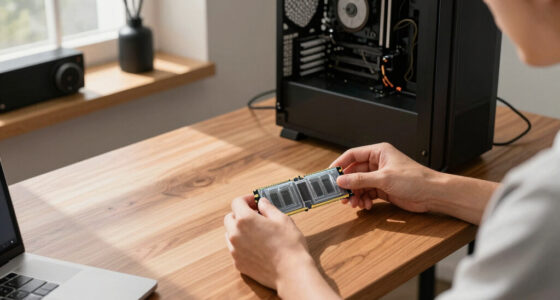
Memory prices have surged dramatically in 2026, with 32GB DDR5 kits now costing around $369, roughly equal to high-end GPU prices. This development is reshaping high-end PC and workstation building, making DIY assembly more expensive and less cost-effective compared to prebuilt systems, according to industry sources.
HP reported that memory now accounts for approximately 35% of a PC’s bill of materials, up from 15–18% in previous years. In many mid- and high-end builds, memory costs are rivaling or exceeding the price of graphics cards, significantly increasing overall build costs. For example, a 32GB DDR5 kit now costs about $369, similar to an RTX-class GPU and more than the CPU and SSD individually. As a result, premium builds that previously cost around $2,000 are now reaching $2,800–$4,500, with memory and storage as the primary cost drivers.
Market structure shifts have also impacted DIY builders. Large OEMs like Dell and HP leverage bulk purchasing and inventory hedging, enabling them to mitigate price spikes. In contrast, individual consumers purchasing retail kits are exposed to spot market volatility, often paying the highest prices on the day of purchase. This has inverted the traditional cost advantage of building your own PC, making prebuilt systems potentially more economical in high-end configurations.
Workstation and server memory face even greater pressures. High-capacity modules such as 96GB and 128GB DDR5 RDIMMs are in short supply, driven by demand from hyperscalers and enterprise sectors. Analysts project that 64GB DDR5 RDIMM modules could double in price by the end of 2026, with even steeper increases for 128GB and 256GB modules. Lead times have also lengthened, complicating procurement for professional users.
Memory pricing has become highly volatile, behaving like a stock market, with prices fluctuating weekly based on large orders, currency shifts, and inventory levels. This unpredictability requires procurement managers to adopt new strategies, such as buying in bulk, staging upgrades, and avoiding front-loading capacity at peak prices.
The high-end PC & workstation tax
If you build your own machines or spec your team’s workstations, you’re the most exposed buyer in this market — no hedge, no bulk contract, just a parts cart and a number you used to ignore, now the biggest line on the invoice.
OEMs buy on bulk contracts and hold hedged stock; you pay the spot price on the day. The DIY builder is now the most exposed buyer in the chain — and the prebuilt is sometimes cheaper. Price it before you commit.
96GB & 128GB DDR5 RDIMMs are the scarcest, closest to the server memory makers prioritize. 64GB RDIMM could cost 2× by end-2026 vs early 2025. The parts that define a workstation are the ones squeezed hardest.
The squeeze didn’t just raise prices — it inverted the value system of high-end building. Buy big, buy early, build it yourself: each enthusiast virtue is now a way to overpay. Discipline beats ambition in 2026 — right-size hard, buy deliberately, lean on bundles, treat the prebuilt as a real price check. You can’t avoid the AI tax levied a layer up in the fabs; you can refuse to pay more of it than the job needs. Next: Cloud’s Hidden Memory Bill.
Implications for High-End PC and Workstation Builders
The surge in memory prices fundamentally alters the economics of high-end PC and workstation construction. Enthusiasts and professionals who traditionally saved money by building their own systems now face higher costs, especially for configurations requiring large memory capacities. This shift challenges the long-standing belief that DIY builds are always more economical, prompting a reevaluation of procurement and upgrade strategies in 2026. The increased cost and market volatility also influence enterprise purchasing decisions, potentially affecting the availability and timing of critical hardware components.

Crucial 32GB DDR5 RAM Kit (2x16GB), 5600MHz (or 5200MHz or 4800MHz) Laptop Memory 262-Pin SODIMM, Compatible with Intel Core and AMD Ryzen 7000, Black – CT2K16G56C46S5
- Memory Capacity: 32GB DDR5 RAM Kit (2x16GB)
- Memory Speed: 5600MHz, 5200MHz, or 4800MHz
- Performance Boost: Enhances multitasking and responsiveness
As an affiliate, we earn on qualifying purchases.
As an affiliate, we earn on qualifying purchases.
2026 Memory Market Dynamics and Past Trends
Over the past two decades, memory prices remained relatively stable and affordable, supporting a thriving DIY PC community and competitive OEM offerings. The 2026 market shift is driven by a combination of supply chain constraints, increased demand from hyperscalers, and a focus on high-margin server memory. HP’s recent disclosures highlight a dramatic change: memory now constitutes a larger share of build costs, with prices behaving like stocks rather than stable commodities. Historically, buying components early and in bulk provided cost savings; however, in 2026, volatile pricing and thin inventories make timing and procurement strategies more complex.
“Memory prices have surged, making high-capacity modules as expensive as high-end GPUs.”
— HP investor briefing
As an affiliate, we earn on qualifying purchases.
Unresolved Questions About Market Impact
While the trend indicates rising memory costs and market volatility, the extent to which prices will stabilize or continue to escalate remains unclear. It is also uncertain how long supply constraints will persist and how OEMs might adapt their procurement and pricing strategies in response.
As an affiliate, we earn on qualifying purchases.
Future Procurement Strategies and Market Developments
Procurers and builders are advised to adopt staged purchasing, leverage bundle deals, and consider prebuilt options as benchmarks. Industry analysts expect ongoing volatility in memory prices through 2026, with potential stabilization only in late 2026 or beyond. Monitoring supply chain developments and market signals will be crucial for managing costs effectively.
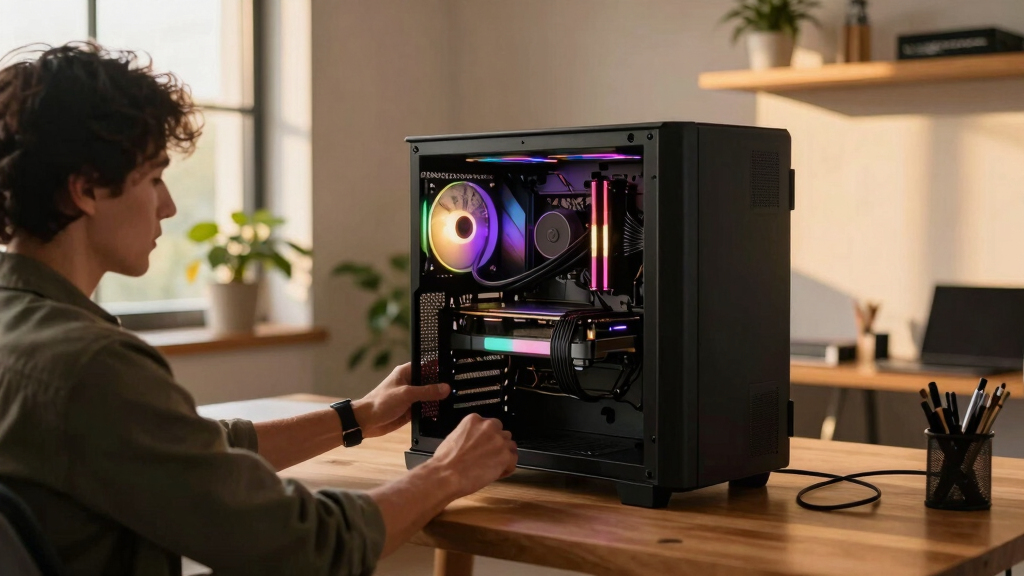
gaming PC with high memory capacity
As an affiliate, we earn on qualifying purchases.
As an affiliate, we earn on qualifying purchases.
Key Questions
Why are memory prices rising so sharply in 2026?
The increase is driven by supply constraints, high demand from hyperscalers and enterprise sectors, and market dynamics that resemble stock trading, leading to volatile pricing.
How does this affect DIY PC builders?
DIY builders now face higher and more unpredictable memory costs, making high-end builds more expensive and requiring more strategic procurement planning.
Can prebuilt systems be more cost-effective now?
Yes, in some cases, prebuilt systems may be cheaper due to OEM bulk purchasing and inventory hedging, especially for high-end configurations requiring large memory modules.
Will memory prices stabilize later in 2026?
It is uncertain; market volatility suggests prices may remain unstable until supply chains normalize, possibly later in the year or beyond.
What should professional users do to manage costs?
They should stage upgrades, buy in bundles, and avoid front-loading capacity at peak prices, while monitoring market trends closely.
Source: ThorstenMeyerAI.com