
Your recovery happens through your body’s natural biological processes, driven by neural regeneration, genetics, and complex healing mechanisms. It’s not about personal failure or effort alone; these biological functions operate independently of your mental attitude. Factors like genetics influence how quickly and effectively you heal. Understanding this can help you see that progress takes time and patience. If you keep exploring, you’ll discover how supporting your body’s innate healing powers can make a difference.
Key Takeaways
- Recovery involves innate biological mechanisms like neural regeneration and tissue repair, independent of personal effort or attitude.
- Genetics influence recovery speed and effectiveness, making variability natural and not a sign of failure.
- Neural regeneration is a slow, complex process essential for restoring functions after injury, beyond conscious control.
- Biological processes operate regardless of mental attitude, emphasizing patience and understanding over blame.
- Supporting healthy lifestyles can optimize natural healing, highlighting recovery as a biological, not personal, process.
Recovery isn’t just a mental or emotional journey—it’s a fundamental biological process that your body actively engages in to restore balance and health. When you face setbacks, it’s easy to see recovery as a sign of weakness or personal failure, but in reality, it’s rooted in complex biological mechanisms that are beyond your control. Your body has an innate capacity to heal, driven by processes like neural regeneration and influenced by your genetic makeup. Recognizing this helps you see recovery not as a flaw but as a natural, necessary part of staying healthy.
Recovery is a natural biological process driven by your body’s innate healing mechanisms and genetic influences.
Genetic influences play a significant role in how quickly and effectively your body can recover. Some people are naturally equipped with genes that promote faster healing, stronger immune responses, or more efficient neural regeneration. Others might have genetic predispositions that make recovery slower, but that doesn’t mean they’re failing—it simply reflects biological diversity. These genetic factors influence everything from tissue repair to how your nervous system heals after injury. Understanding this helps you realize that recovery times vary widely and aren’t solely a reflection of effort or resilience.
Neural regeneration is a key component of recovery, especially after brain injuries or nerve damage. Unlike other tissues, your nervous system has a limited capacity for repair, but it does possess the ability to regenerate neurons and reconnect neural pathways. This process is complex and depends on multiple factors, including your overall health, lifestyle, and genetics. When your body engages in neural regeneration, it’s working diligently to restore lost functions and re-establish communication within your brain and nervous system. This process can be slow and sometimes frustrating, but it’s a testament to your body’s resilience and its biological commitment to healing. Understanding neural regeneration can help you appreciate the slow but steady progress your body makes in recovery.
What’s important to remember is that these biological processes operate independently of your mental attitude or personal effort alone. You might work tirelessly to recover, but without the necessary biological conditions—like proper neural regeneration or favorable genetic influences—progress can be limited. This understanding shifts the narrative from blame or guilt to patience and acknowledgment of your body’s natural healing capacities. Recovery is a biological process that unfolds over time, driven by your body’s innate mechanisms and influenced by your unique genetic blueprint. genetic influences and other biological factors play a crucial role in shaping the speed and success of recovery. Recognizing this can also help you understand the importance of supporting your body through healthy lifestyle choices, which can optimize your biological recovery processes.
Understanding biological mechanisms involved in recovery can also help you develop a more realistic and compassionate approach to healing, reducing unnecessary frustration or guilt.
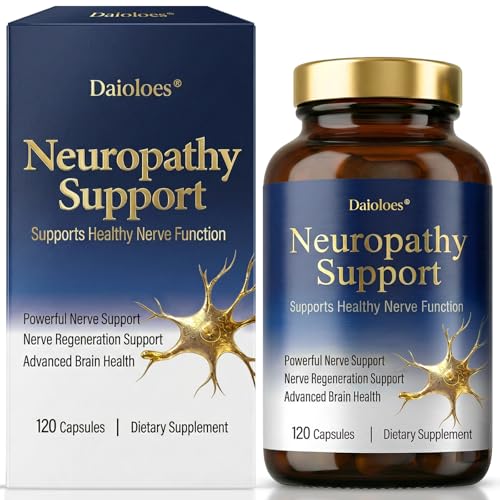
Neuropathy Supplements | Premium Nerve Support for Nerve Health, Regeneration, Cognitive | R-Alpha Lipoic Acid Vitamin B1, B6, B12, Magnesium | 120 Vegan Capsules, 40 Day Supply
Targeted nutritional support – Our advanced formula combines vitamin B1, vitamin B6 and Alpha-Lipoic Acid (ALA), etc. These…
As an affiliate, we earn on qualifying purchases.
As an affiliate, we earn on qualifying purchases.
Frequently Asked Questions
How Do Genetics Influence Recovery Outcomes?
Genetics influence your recovery outcomes through genetic predispositions that affect how your body responds to treatment and heals. You might find some therapies more effective due to your genetic makeup, highlighting the importance of personalized medicine. By understanding your genetics, healthcare providers can tailor treatments specifically for you, improving your chances of successful recovery. Recognizing these biological factors helps you see recovery as a biological process, not a personal failure.
Can Nutrition Accelerate Biological Recovery Processes?
Yes, nutrition can accelerate your biological recovery processes. By paying attention to nutrient timing, you guarantee your body gets essential nutrients exactly when needed, boosting repair and regeneration. Incorporating dietary supplements can also support recovery, especially if your diet lacks certain nutrients. Proper nutrition helps your cells heal faster and restores energy levels, making your recovery more efficient and less dependent on personal effort alone.
What Role Do Hormones Play in Healing?
You might be surprised to learn that hormones play a essential role in healing. When your hormonal balance and endocrine function are working well, your body can repair tissue, reduce inflammation, and restore energy more efficiently. Sometimes, a small imbalance can slow down recovery, making healing feel like a struggle. By supporting your endocrine system, you’re actively helping your body heal naturally and effectively.
Are There Age-Related Differences in Recovery Biology?
Yes, age-related differences impact recovery biology. As you age, cellular decline slows down your body’s healing processes, making recovery take longer. Skeletal regeneration mechanisms become less efficient, reducing your ability to repair bones quickly. This natural decline means your body’s biological response to injury weakens over time, emphasizing that slower recovery isn’t a personal failure but a biological reality linked to aging.
How Does Stress Affect the Body’s Healing Ability?
Think of your body’s healing as a delicate garden; stress acts like drought, drying out your resources. When stress hormones flood your system, they weaken your immune response and slow cell repair. The mind-body connection means emotional stress directly impacts physical healing, making recovery harder. To foster healing, manage stress through relaxation and mindfulness, permitting your body’s biological processes to work without interference, just like watering a garden ensures healthy growth.

Wound Healing, Tissue Repair, and Regeneration in Diabetes
As an affiliate, we earn on qualifying purchases.
As an affiliate, we earn on qualifying purchases.
Conclusion
Remember, recovery isn’t a sign of weakness or personal failure—you’re simply following your biology’s natural rhythm, much like a ship steering through stormy seas. Just as a knight of yore would rally after a battle, your body and mind work together to heal and strengthen. Embrace this process, knowing it’s part of your biological design, not a flaw. In this grand adventure, patience and understanding will guide you back to health, stronger than ever.

23andMe+ Premium Advanced Ancestry & Health – DNA Test Kit, Personal Genetic Insights, Plus 1-Year Access to Exclusive Reports, DNA Kit (Before You Buy See Important Test Info Below)
IMPORTANT: There is a lot to consider with genetic testing. Please review important information about Pharmacogenetics**, Carrier Status*…
As an affiliate, we earn on qualifying purchases.
As an affiliate, we earn on qualifying purchases.

Hand Exercise Ball Finger Therapy Ball – Grip Strengthening, Improve Flexibility, Squeeze Stress Relief Balls, Resistance Strength Trainer for Hand
【Perfect Solution for hand exercise and Stress Management】The hand exercise grip balls is a high-quality hand squeezer grip…
As an affiliate, we earn on qualifying purchases.
As an affiliate, we earn on qualifying purchases.