
A cold plunge involves immersing yourself in cold water, typically between 50°F and 59°F, for a few minutes to boost recovery and mental clarity. It helps reduce inflammation, accelerate muscle repair, and improve circulation. Start with short sessions and gradually increase as your body adapts. Always practice safety, especially if you have health concerns. If you’re curious about making cold plunges a part of your routine, you’ll find more helpful tips below.

Prime made for students and young adults
- Fast, free delivery for dorm and study essentials
- Prime Video and Amazon Music included
- Member-only deals
Key Takeaways
- Cold plunges boost recovery, reduce inflammation, and improve circulation, promoting physical and mental well-being.
- Start with short immersions (a few seconds to a minute) at 50°F-59°F, gradually increasing duration.
- Always have a buddy nearby, and monitor your body’s response to avoid dizziness or discomfort.
- Consult a healthcare professional if you have cardiovascular or respiratory issues before trying cold plunges.
- Warm up gradually afterward and stay hydrated to maximize benefits and ensure safety.
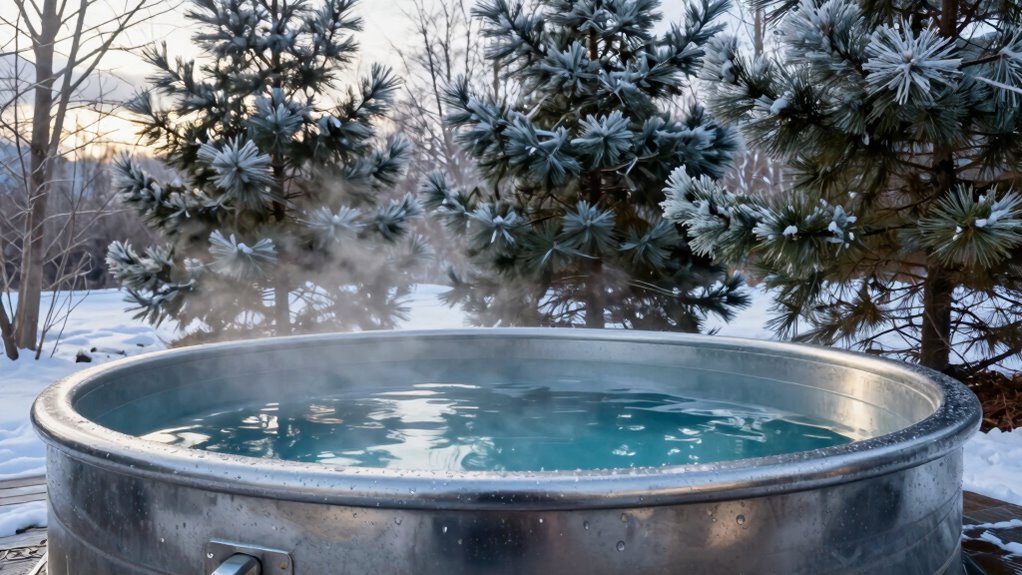
Have you ever wondered how a simple cold plunge can boost your recovery and energy? Immersing yourself in cold water might seem intimidating at first, but many find it incredibly beneficial. This practice, rooted in hydrotherapy benefits, has been used for centuries to enhance physical and mental well-being. When you take a cold plunge, you activate your body’s natural healing processes, reducing inflammation and improving circulation. The cold constricts blood vessels, which helps flush out metabolic waste and delivers fresh blood and nutrients once you leave the water. This cycle can accelerate muscle repair and diminish soreness, making cold plunges popular among athletes and fitness enthusiasts. Beyond physical recovery, cold immersion can also sharpen your mental clarity, boost mood, and invigorate your energy levels. Incorporating hydrotherapy benefits into your routine can further enhance these positive effects.
However, understanding safety precautions is essential before jumping into cold water therapy. Not everyone reacts the same way, and certain health conditions may require caution or consultation with a healthcare professional. If you have cardiovascular issues, high blood pressure, or respiratory problems, you should be especially careful, as cold exposure can cause sudden spikes in blood pressure or breathing difficulties. Start slow—limit your initial immersion to just a few seconds or a minute, gradually increasing the duration as your body adapts. Pay attention to how you feel during and after the plunge; if you experience dizziness, excessive shivering, or discomfort, it’s best to exit immediately. Always ensure the water temperature isn’t dangerously low and that you’re in a safe environment where you can easily get out if needed. If you’re new to cold plunging, it’s wise to have a buddy nearby who can assist if your reaction becomes concerning. Additionally, understanding cold water safety can help prevent accidents and ensure a safe experience. Recognizing your body’s response to cold is crucial for safe and effective cold immersion practices. Being aware of body temperature regulation can also help you better manage your comfort and safety levels during the process.
Incorporating proper preparation—including water temperature and session duration—can make a significant difference in your cold plunge experience. Proper preparation can maximize the benefits while minimizing risks. Prepare your water temperature carefully—generally between 50°F and 59°F (10°C to 15°C)—and limit your sessions to 5 to 10 minutes at first. After the plunge, warm up gradually with a towel or warm clothing, avoiding hot showers immediately afterward to prevent sudden blood vessel dilation. Remember, hydration is vital, so drink plenty of water before and after your session. As you get more accustomed to cold plunges, you’ll notice improved recovery times, increased alertness, and a sense of renewal. Just stay aware of your body’s signals, respect safety precautions, and enjoy the many hydrotherapy benefits that cold immersion can offer.
As an affiliate, we earn on qualifying purchases.
Frequently Asked Questions
Can Cold Plunges Help With Mental Health Issues?
Cold plunges can boost your mental health by promoting mental clarity and mood improvement. When you immerse yourself in cold water, your body releases endorphins, which help reduce stress and anxiety. The invigorating experience can also sharpen your focus and provide a sense of accomplishment. Regular cold plunges may improve your overall mental resilience, helping you manage daily stress better and feel more balanced emotionally.
How Long Should Beginners Stay in the Cold Plunge?
Time flies when you’re in an ice bath, so start slow. For beginners, sticking to 2-3 minutes lets you experience the ice bath benefits without overwhelming your body. This helps your cold shock responses adapt gradually. As you get more comfortable, you can extend your sessions. Remember, patience is key—rushing in could backfire. Listen to your body and build up your tolerance over time.
Are There Any Risks for People With Heart Conditions?
If you have heart conditions, cold plunges can pose heart risks due to sudden shocks from cold water. It’s essential to consult your doctor before trying it. Follow safety precautions like limiting your time in the cold, staying seated, and avoiding if you feel dizzy or chest pain. Being aware of your body’s signals helps prevent any adverse effects and guarantees you enjoy the benefits safely.
What Temperature Is Ideal for a Cold Plunge?
The ideal temperature for a cold plunge is typically between 50°F and 59°F (10°C to 15°C). This range promotes effective temperature regulation, allowing your body to respond well to hydrotherapy benefits. You should start with slightly warmer water if you’re new to cold plunges, gradually lowering the temperature as your body adapts. Always listen to your body, and consult a professional if you have health concerns.
How Often Should I Take a Cold Plunge?
You should aim for cold water immersion 2 to 3 times a week to experience the cold exposure benefits without overdoing it. Regular cold plunges help improve circulation, reduce inflammation, and boost your mood. Listen to your body and start with shorter durations, gradually increasing as you build tolerance. Consistency is key, so find a routine that fits your schedule and makes cold exposure a sustainable part of your wellness routine.
As an affiliate, we earn on qualifying purchases.
Conclusion
As you step into the icy water, feel the chill seep into your bones, awakening every nerve ending. The cold plunge becomes more than just a ritual—it’s a gateway to clarity and resilience. With each immersion, you’ll notice a renewed sense of energy, like a crisp breeze clearing fog from your mind. Embrace the shiver, knowing it’s forging strength within, transforming your body and spirit one invigorating dip at a time.
As an affiliate, we earn on qualifying purchases.
As an affiliate, we earn on qualifying purchases.
Halloween Picks
halloween
As an affiliate, we earn on qualifying purchases.