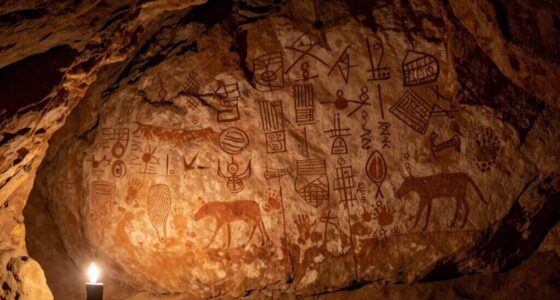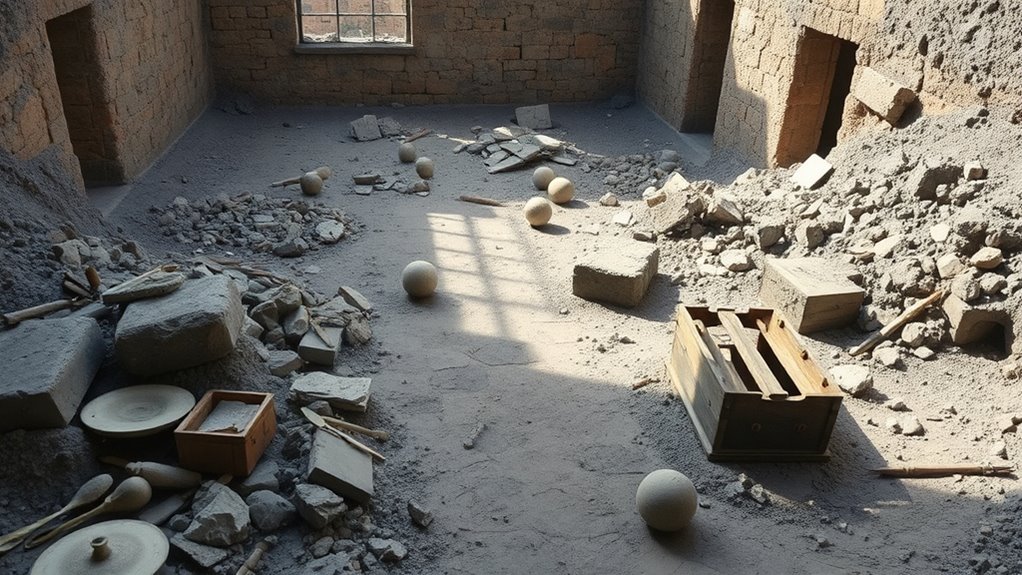

Recent excavations in Pompeii reveal astonishing details of daily life frozen in ash. Using modern techniques like ground-penetrating radar and careful manual digging, archaeologists uncover artifacts, frescoes, and structures that show how residents lived, worked, and socialized. Preservation efforts stabilize delicate artworks, helping you appreciate the city’s vibrant past. If you keep exploring, you’ll uncover even more fascinating insights into Pompeii’s rich history and the secrets hidden beneath the volcanic ash.

Prime made for students and young adults
- Fast, free delivery for dorm and study essentials
- Prime Video and Amazon Music included
- Member-only deals
Key Takeaways
- Recent excavations uncover household objects and frescoes revealing daily routines and social dynamics of Pompeii residents.
- Advanced excavation techniques and technology enable careful removal of ash and preservation of fragile artifacts.
- New findings include detailed frescoes and mosaics offering insights into ancient artistic styles and cultural influences.
- Systematic documentation helps reconstruct Pompeii’s city layout, social hierarchy, and everyday practices.
- Preservation efforts ensure artifacts and artworks remain accessible for ongoing research and understanding of ancient life.
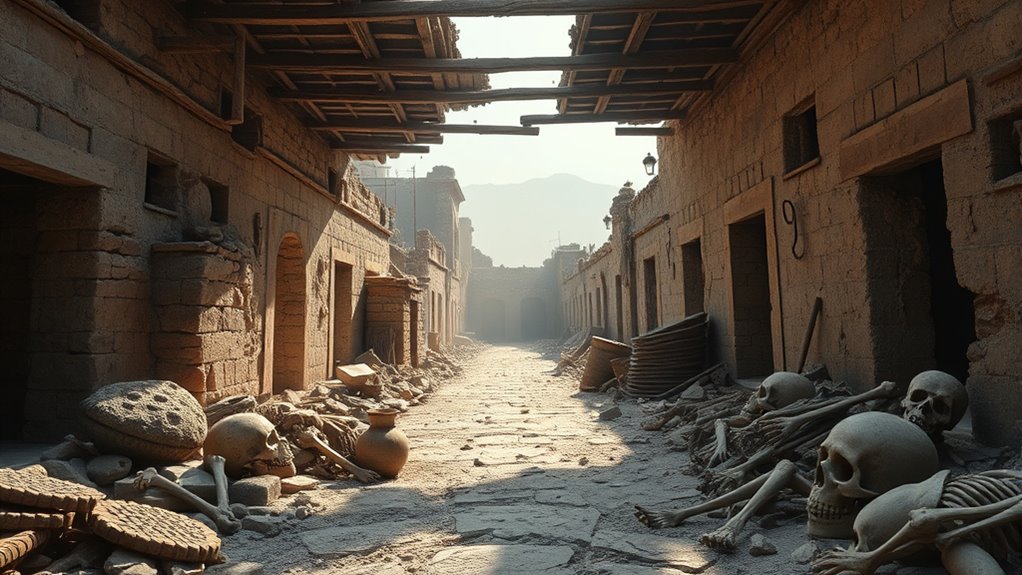
Recent excavations in Pompeii are uncovering new insights into the ancient city’s daily life and sudden destruction. As you explore these discoveries, you realize how much more there is to learn about the everyday routines and social dynamics that once thrived here. Modern excavation techniques have played a vital role in revealing these details, allowing archaeologists to carefully remove layers of ash and debris without damaging precious artifacts. These advanced methods include ground-penetrating radar, 3D mapping, and meticulous manual digging, which help preserve fragile structures and artifacts while uncovering new areas of interest. Each new find offers a snapshot of life frozen in time, from household objects to intricate frescoes, painting a vivid picture of daily existence.
One of the most significant aspects of these excavations is art preservation. As you observe the uncovered frescoes and mosaics, you notice how delicate they are despite their age. Preservation efforts focus on stabilizing these artworks, using innovative techniques like consolidants and controlled environments to prevent deterioration. It’s a delicate process because exposure to air, light, and moisture can rapidly degrade these masterpieces. The goal is to keep them as close to their original state as possible, so future generations can appreciate the artistry and craftsmanship of ancient Pompeii residents. Preservation also involves detailed documentation, which helps scholars analyze styles, materials, and cultural influences, deepening our understanding of Roman society.
The excavation techniques employed are equally fascinating. You see teams working with precision tools, carefully removing volcanic ash and debris layer by layer. This meticulous process guarantees that no detail is overlooked, and it minimizes damage to the structures. Sometimes, archaeologists use robotic tools or drones to reach hard-to-access areas, demonstrating how technology enhances traditional methods. Each discovery is carefully documented and cataloged, creating a complete record of the site’s evolving landscape. This systematic approach allows scholars to piece together the city’s layout, social hierarchy, and cultural practices, giving you a clearer picture of what life was like before the catastrophe.
As you follow these excavations, it becomes clear how vital both art preservation and innovative excavation techniques are in revealing Pompeii’s secrets. They work hand in hand to make sure that every artifact, fresco, and building remains intact for study and display. This ongoing work transforms the site from a mere ruin into a vibrant window into the past, helping you appreciate the complexity and richness of ancient Roman life. Each new layer uncovered serves as a reminder of how fragile history can be and underscores the importance of careful preservation and methodical excavation in maintaining our connection to this remarkable city.
Pompeii excavation preservation tools
As an affiliate, we earn on qualifying purchases.
As an affiliate, we earn on qualifying purchases.
Frequently Asked Questions
Were Any Preserved Foods Found During the Excavations?
During the excavations, you find preserved foods and culinary artifacts that reveal ancient food storage methods. These preserved culinary artifacts include dried foods, grains, and even fruits, offering insight into what people ate. You notice how ancient food storage techniques helped keep supplies safe from spoilage. Discovering these preserved foods provides a unique glimpse into daily life, showing how residents managed their food and sustenance amidst the chaos of the eruption.
What New Technologies Are Used in Recent Excavations?
Imagine unsealing ancient secrets with a digital key. In recent excavations, you use cutting-edge tech like digital imaging and remote sensing, which act like super-powered magnifying glasses and radar scans. These tools help you see beneath layers of earth without disturbing them, revealing hidden structures and artifacts. By blending technology with archaeology, you bring the past into focus, turning silent ruins into stories waiting to be told.
Have Any Human Remains Been Uncovered Recently?
You’ll find that recent excavations at Pompeii have uncovered some fascinating human remains. Archaeologists use advanced preservation techniques to carefully excavate ancient burial sites, ensuring the delicate remains are preserved. These discoveries offer valuable insights into the lives of Pompeii’s residents before the eruption. Each find helps piece together the city’s history, revealing personal stories frozen in time, and deepening our understanding of ancient Roman life.
Are There Plans to Expand the Excavation Site Further?
Think of the site as a treasure chest waiting to be opened wider. Yes, there are plans to expand the excavation site further, using advanced archaeological techniques. This will help uncover more of Pompeii’s secrets and refine urban planning insights from ancient times. By expanding carefully, you guarantee that each new discovery adds valuable layers to your understanding, much like peeling back an onion to reveal its core.
How Do the New Finds Change Our Understanding of Pompeii?
You see, the new finds in Pompeii reveal more about its urban artifacts and social structures. By uncovering everyday objects and building details, you gain a clearer picture of how residents lived, worked, and interacted. These discoveries challenge previous assumptions, showing a more complex society with diverse social classes. They deepen your understanding of Pompeii’s vibrant community, illustrating how its ancient urban fabric was intricately woven into daily life.
As an affiliate, we earn on qualifying purchases.
Conclusion
So, as you explore Pompeii’s latest excavations, remember that even with centuries gone by, these ruins offer a vivid glimpse into daily life. Some might think time has buried all stories, but new finds prove history’s still alive, waiting to be uncovered. Don’t miss the chance to witness the past’s secrets, frozen in ash, reminding us that every discovery rewrites what you thought you knew.
As an affiliate, we earn on qualifying purchases.
ground-penetrating radar for archaeology
As an affiliate, we earn on qualifying purchases.
As an affiliate, we earn on qualifying purchases.
Fall Picks
fall essentials
As an affiliate, we earn on qualifying purchases.