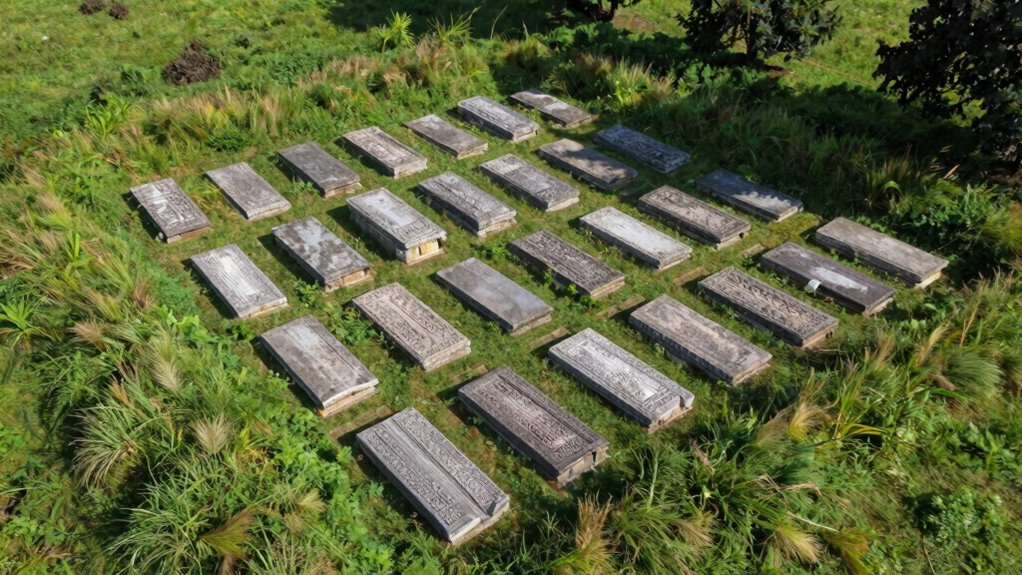

Burial sites matter a lot to you because they reveal how ancient societies viewed life, death, and their spiritual beliefs. They show social hierarchies, cultural values, and trade connections through artifacts and layout. You can learn about rituals, technological skills, and community organization. These sites serve as cultural treasures, helping you understand traditions that shaped civilizations. Keep exploring to uncover how burial sites connect us to the past in meaningful ways.

Prime made for students and young adults
- Fast, free delivery for dorm and study essentials
- Prime Video and Amazon Music included
- Member-only deals
Key Takeaways
- Burial sites reveal societal values, beliefs, and social hierarchies of ancient civilizations.
- They provide insights into construction techniques, artifacts, and cultural practices of past societies.
- Rituals and religious symbols in burial sites shed light on spiritual beliefs and afterlife concepts.
- They serve as repositories of cultural continuity, preserving traditions and historical practices over time.
- Advances in archaeology enhance understanding of ancient technologies, trade, and societal organization.
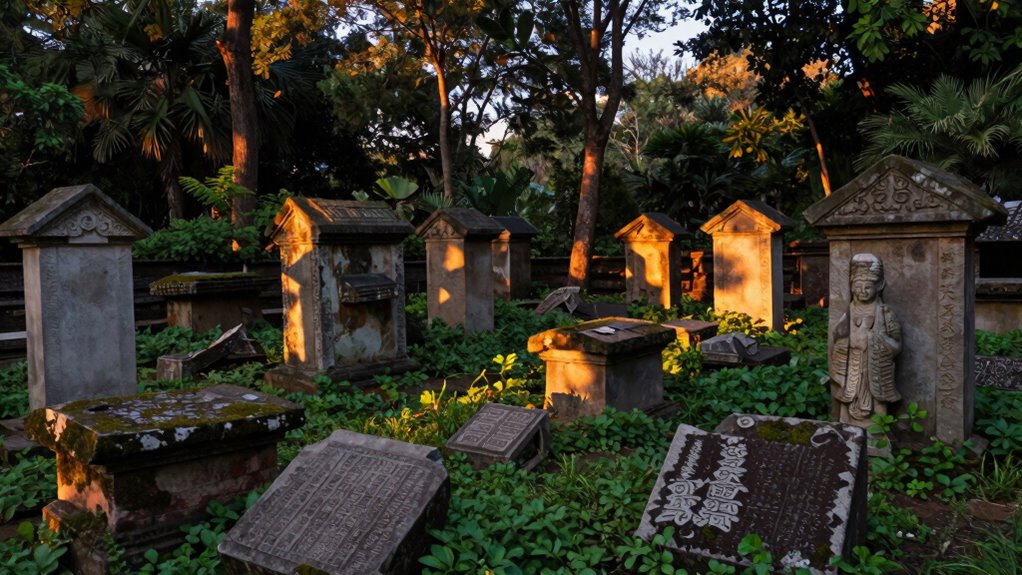
Burial sites are more than just resting places for the deceased; they are essential keys to understanding history. When you explore these sites, you gain a window into the cultural significance that ancient societies placed on life, death, and the afterlife. Each grave tells a story about the values, beliefs, and social structures of the people who created them. For example, the types of artifacts buried alongside individuals can reveal their social status or occupation, helping you piece together the social fabric of a bygone era. These insights are invaluable because they provide tangible evidence of how communities organized themselves and what they considered important in life and death.
As you analyze burial sites, you discover archaeological insights that might otherwise remain hidden. These sites often contain a wealth of information—from the construction techniques used to the variety of grave goods included—allowing you to reconstruct ancient technologies, trade networks, and cultural practices. For instance, finding foreign artifacts in a burial can suggest trade relationships or cultural exchanges between distant peoples. The layout of a cemetery can also reflect societal hierarchies or religious beliefs, offering clues about leadership structures or spiritual practices. Every detail, down to the positioning of bodies or the materials used, adds another piece to the puzzle, helping you understand how ancient civilizations viewed life beyond the physical domain. Additionally, studying burial sites can reveal unique ritualistic practices that demonstrate the spiritual values and beliefs of different cultures. These practices often provide insight into how societies viewed the afterlife and their concepts of mortality.
Moreover, burial sites serve as cultural repositories, preserving traditions that might otherwise be lost to time. When you study them, you’re not only uncovering individual stories but also gaining insights into collective identities and cultural continuity. These sites often contain religious symbols, ceremonial objects, or ritualistic arrangements that shed light on spiritual beliefs and practices. They enable you to see how different societies approached mortality and what rituals they believed were necessary to guarantee a peaceful transition to the afterlife. Studying burial sites can also reveal preservation techniques that helped safeguard these cultural artifacts over centuries. By examining these practices, you can trace cultural evolution and understand how beliefs transformed over centuries. Furthermore, advancements in excavation methods have significantly improved our ability to recover and interpret these invaluable artifacts.
In essence, burial sites are crucial for deepening your understanding of human history. They provide direct, tangible connections to the past, revealing the complex tapestry of human culture, technology, and spirituality. As you uncover these secrets buried beneath the ground, you contribute to a richer narrative of our shared heritage, emphasizing that the stories of those long gone continue to shape our understanding of ourselves today.
As an affiliate, we earn on qualifying purchases.
Frequently Asked Questions
How Do Burial Sites Influence Modern Cultural Identity?
Burial sites influence your modern cultural identity by serving as powerful symbols of cultural symbolism and ancestral remembrance. They connect you to your roots, helping you honor traditions and understand your heritage. By preserving these sites, you reinforce community values and collective memory. They remind you of shared history, fostering pride and identity. Ultimately, burial sites shape how you see yourself within a broader cultural narrative.
What Ethical Considerations Are Involved in Excavating Burial Sites?
When excavating burial sites, you must consider ethical issues like respecting ancient rituals and honoring the deceased. Handling burial artifacts with care and sensitivity is vital, ensuring you don’t disturb sacred practices or cultural beliefs. You should seek permission from descendant communities and prioritize preservation over extraction. Balancing archaeological discovery with respect for the dead is essential to maintain ethical integrity and avoid cultural insensitivity.
Are There Technological Advances Aiding Burial Site Preservation?
You’ll find that technological advances like remote sensing and sophisticated conservation techniques greatly aid burial site preservation. Remote sensing allows you to detect and map buried sites without disturbing them, preventing unnecessary damage. Conservation techniques help you stabilize and protect artifacts and remains once uncovered. Together, these tools enable you to study burial sites more effectively, ensuring their preservation for future generations while respecting their historical and cultural significance.
How Do Burial Sites Vary Across Different Ancient Civilizations?
You’ll notice that burial sites vary greatly across ancient civilizations—Egyptians built grand tombs with intricate funerary rituals and ornate artifacts, while the Vikings favored burial mounds with simpler offerings. These differences reflect unique beliefs about death and the afterlife. In every culture, burial artifacts and rituals reveal societal values, power dynamics, and spiritual beliefs, making each site a crucial window into the civilization’s worldview and cultural identity.
What Legal Protections Exist for Historical Burial Sites?
You should know that legal statutes protect historical burial sites from vandalism, looting, and development. Preservation efforts are often backed by laws like the National Historic Preservation Act or UNESCO conventions. These regulations help conserve sites for future study and cultural respect. As a result, authorities can intervene if sites are threatened, ensuring that these important pieces of history remain intact for generations to come.
burial site artifact preservation kit
As an affiliate, we earn on qualifying purchases.
As an affiliate, we earn on qualifying purchases.
Conclusion
Burial sites are more than just stones and bones; they’re the silent storytellers of your past. They symbolize memory’s enduring flame, illuminating truths hidden beneath time’s shadow. As you uncover these sacred grounds, you connect with history’s heartbeat, feeling its pulse through the whispers of ancestors. Each grave is a chapter, a bridge that links you to those who came before. In these sites, history lives on, forever echoing in the rhythm of your understanding.
ancient burial artifacts replica
As an affiliate, we earn on qualifying purchases.
As an affiliate, we earn on qualifying purchases.
As an affiliate, we earn on qualifying purchases.
Fall Picks
fall essentials
As an affiliate, we earn on qualifying purchases.