
TL;DR

Prime made for students and young adults
- Fast, free delivery for dorm and study essentials
- Prime Video and Amazon Music included
- Member-only deals
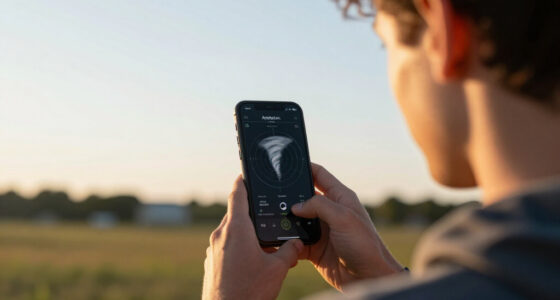
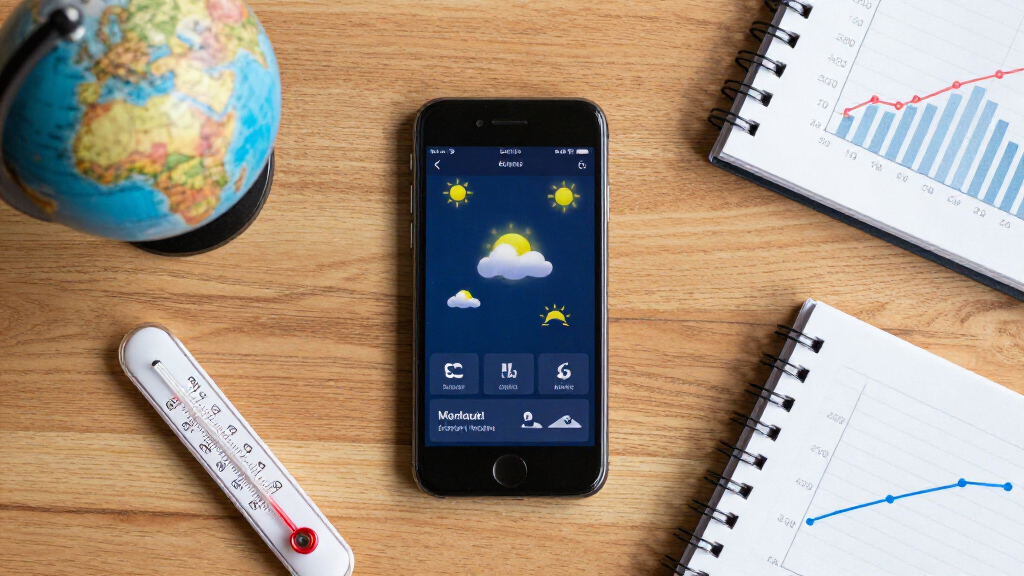
Meteorological agencies are forecasting a significant El Niño event in 2026. While the exact intensity and timing remain uncertain, experts warn it could influence global weather patterns, impacting agriculture, water resources, and disaster preparedness.
Climate scientists and meteorological agencies are predicting a significant El Niño event in 2026, which could influence weather patterns across the globe. While the exact timing and strength remain uncertain, early indications suggest it may have widespread impacts on agriculture, water resources, and disaster preparedness efforts worldwide. For more details, see the Super El Nino forecast.
Multiple agencies, including the National Oceanic and Atmospheric Administration (NOAA) and the World Meteorological Organization (WMO), have issued preliminary forecasts indicating a high likelihood of El Niño developing in 2026. These predictions are based on current oceanic and atmospheric conditions, such as rising sea surface temperatures in the central and eastern Pacific.
Experts emphasize that while the forecast points to a potential El Niño, the exact intensity and duration are still uncertain. The phenomenon typically lasts from several months to over a year, affecting weather patterns globally, including increased rainfall in some regions and droughts in others.
Scientists are closely monitoring oceanic temperature anomalies, atmospheric pressure patterns, and other climate indicators to refine their predictions as Super El Nino progresses. The earliest signals of El Niño usually appear in late spring or early summer, with impacts becoming more pronounced during the late summer and fall months.
Potential Global Impact of El Niño 2026
The forecasted El Niño 2026 could have significant implications for global climate, affecting weather patterns, agriculture, and water management. Historically, strong El Niño events have been linked to increased frequency and severity of storms, droughts, and flooding in various regions. Governments and organizations are preparing for possible disruptions, emphasizing the importance of early warning systems and adaptive strategies.
Understanding the potential impacts helps policymakers, farmers, and disaster response agencies plan ahead, mitigating risks associated with extreme weather events. The event’s timing and strength remain uncertain, but the early warning underscores the need for vigilance and preparedness worldwide.
emergency water storage containers
As an affiliate, we earn on qualifying purchases.
As an affiliate, we earn on qualifying purchases.
Historical Trends and Recent Predictions for El Niño
El Niño is a climate phenomenon characterized by the periodic warming of sea surface temperatures in the central and eastern Pacific Ocean. It typically occurs every two to seven years and can last from several months to over a year. Past El Niño events, such as those in 2015-2016 and 1997-1998, have caused widespread weather disruptions globally.
Recent climate data indicates a warming trend in Pacific Ocean temperatures, which has prompted meteorologists to increase monitoring efforts. The current oceanic conditions resemble those preceding previous strong El Niño events, leading to increased confidence among climate scientists about its possible development in 2026.
While forecasts have improved over the years, predicting the exact timing and intensity remains challenging due to the complex interactions between ocean and atmospheric systems. Nonetheless, early signs suggest that El Niño 2026 could be a notable event, similar in scale to past significant episodes.
“While we cannot confirm the exact strength or duration yet, the current oceanic conditions strongly suggest that El Niño 2026 is likely to develop, and we are preparing for its possible impacts.”
— Dr. Maria Lopez, NOAA Climate Scientist
As an affiliate, we earn on qualifying purchases.
Uncertainties Surrounding El Niño 2026 Predictions
While current oceanic and atmospheric data suggest a high likelihood of El Niño development in 2026, the exact timing, strength, and duration are still uncertain. Climate models have improved but remain imperfect at predicting the phenomenon’s specifics, especially several months in advance.
Scientists caution that environmental variability and climate change could influence the event’s characteristics, making precise forecasts difficult at this stage. Further data collection and analysis are needed to refine predictions as the year progresses.
As an affiliate, we earn on qualifying purchases.
Monitoring and Preparing for El Niño 2026
Meteorological agencies will continue to monitor ocean and atmospheric indicators throughout 2024 and 2025, refining forecasts as new data becomes available. Key milestones include the late spring and early summer periods, when signs of El Niño typically become clearer.
Governments and organizations are advised to review and update their disaster preparedness and resource management plans, considering the potential impacts of a strong El Niño event. International cooperation and information sharing will be crucial in managing risks associated with extreme weather patterns.
As an affiliate, we earn on qualifying purchases.
Key Questions
What is El Niño?
El Niño is a climate phenomenon characterized by the warming of sea surface temperatures in the central and eastern Pacific Ocean, occurring periodically and influencing global weather patterns.
How likely is El Niño 2026 to be strong?
Current forecasts suggest a high likelihood of development, but the exact strength and duration are still uncertain. Scientists are monitoring oceanic conditions to refine predictions.
What regions could be most affected by El Niño 2026?
Regions including North and South America, Australia, Southeast Asia, and parts of Africa could experience increased rainfall, droughts, or storms depending on the event’s strength and timing.
When will more definitive forecasts be available?
More accurate predictions are expected by late spring or early summer 2024, as oceanic and atmospheric signals become clearer.
How can societies prepare for El Niño?
Governments and communities should review disaster response plans, strengthen water resource management, and stay informed through official updates as the event approaches.
Source: google-trends
Evergreen bestsellers Picks
bestsellers
As an affiliate, we earn on qualifying purchases.