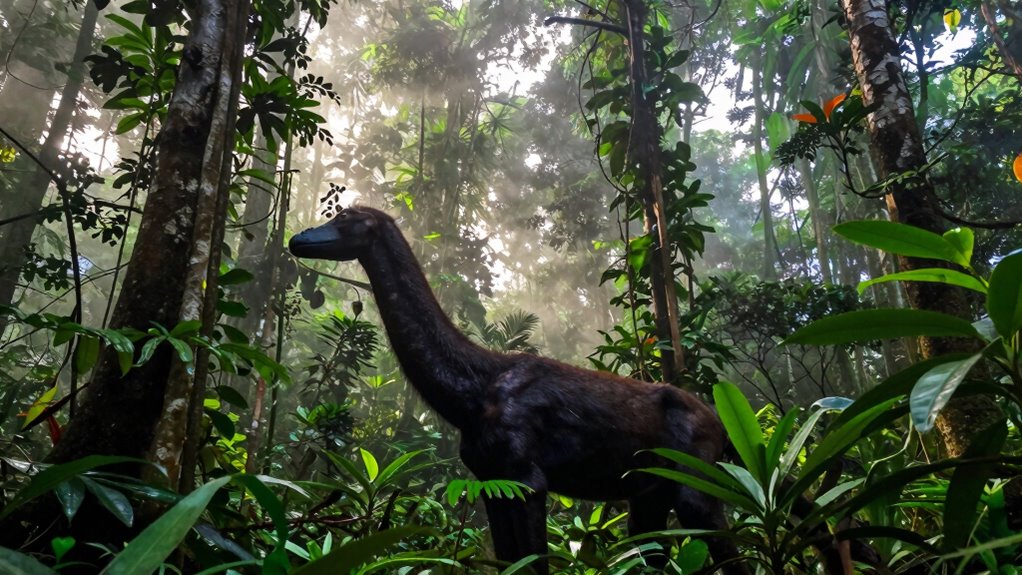

Scientists investigate the Mokele-Mbembe legend by collecting local stories and analyzing habitats to find promising search areas. They use tools like camera traps, drone surveillance, satellite imagery, acoustic monitoring, and water DNA sampling to gather evidence. Despite challenges from dense forests and skepticism, researchers combine traditional folklore with modern technology to search for signs of the creature. If you want to discover how their efforts keep the legend alive, there’s more to explore.
Key Takeaways
- Scientists gather local sightings and folklore to identify promising search areas in the Congo Basin.
- They deploy remote sensing tools like satellite imagery, drones, and aerial surveys to locate potential habitats.
- Acoustic monitoring captures sounds that may indicate the presence of large, elusive creatures.
- Environmental DNA sampling from water sources searches for genetic material of unknown species.
- Researchers analyze physical evidence such as footprints and signs to verify sightings and distinguish hoaxes.

MAXDONE Solar Trail Camera WiFi Bluetooth – 4K 64MP Game Camera with 6000mAh Battery, Rechargeable Trail Cam with Night Vision Motion Activated IP66, Wildlife Cameras Deer Cams for Outdoor Backyard
𝐈𝐌𝐏𝐎𝐑𝐓𝐀𝐍𝐓 𝐍𝐎𝐓𝐄: This is 𝐍𝐎𝐓 a home Wi-Fi or internet camera. It does 𝐍𝐎𝐓 connect to your household…
As an affiliate, we earn on qualifying purchases.
As an affiliate, we earn on qualifying purchases.
Where Did the Mokele-Mbembe Legend Come From?
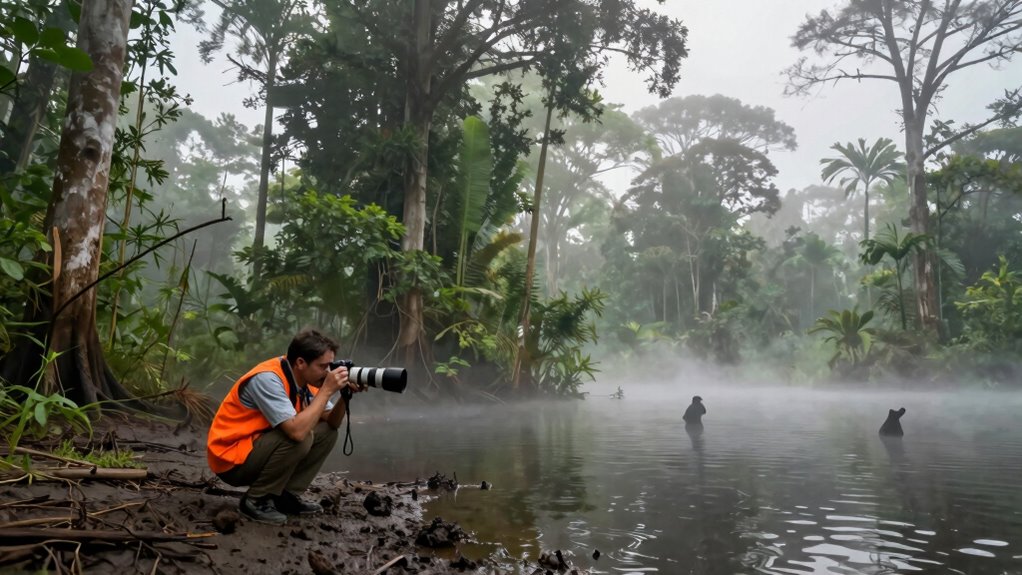
The legend of Mokele-Mbembe likely originated from local beliefs and sightings among the indigenous peoples of the Congo River basin. These local legends have been passed down through generations, forming part of the region’s rich cultural mythology. Many villagers believed they saw a large, dinosaur-like creature in the rivers and swamps, fueling stories that grew over time. These stories serve as both a reflection of the local environment and a way to explain mysterious sightings. The cultural mythology surrounding Mokele-Mbembe provides a sense of identity and history for the communities living near the Congo. While these legends may lack scientific proof, they remain a crucial part of the region’s oral tradition and cultural heritage. Additionally, some researchers have explored cryptid sightings as a way to better understand local folklore and environmental history. The enduring nature of these tales highlights the importance of cultural storytelling in preserving regional history and beliefs. Recognizing the role of oral tradition helps contextualize these legends within the broader scope of cultural expression and community identity. Exploring indigenous knowledge can shed further light on how such stories influence local perceptions of the environment and history.

Drone with Camera – Drone with Screen on Controller for Beginners, Foldable Remote Control Quadcopter with Gesture Control, 3D Flip, One Key Start, Emergency Stop, 2 Batteries, Easier to use
The PK01 drone's remote comes with a super handy built-in screen—no phone needed—so you can watch live HD…
As an affiliate, we earn on qualifying purchases.
As an affiliate, we earn on qualifying purchases.
What Evidence Supports the Existence of Mokele-Mbembe?
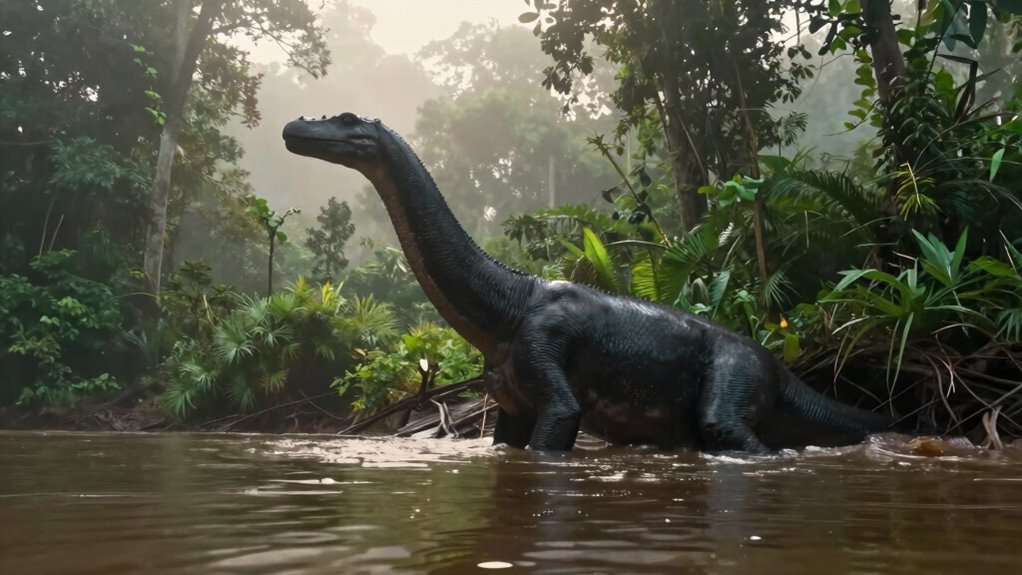
Despite the lack of conclusive scientific proof, some evidence suggests Mokele-Mbembe might exist. Reports of cryptid sightings in the Congo Basin describe large, dinosaur-like creatures emerging from lakes or dense forests. These sightings, often unverified, fuel curiosity and curiosity-driven investigations. Local folklore consistently mentions a mysterious, river-dwelling beast with a long neck and tail, resembling descriptions of sauropods. Some eyewitness accounts describe strange footprints or unusual sounds, adding to the speculation. While none of these pieces of evidence confirm Mokele-Mbembe’s existence, they keep the legend alive and motivate further exploration. For many, the combination of cryptid sightings and local folklore provides a tantalizing glimpse that suggests there could be more to this mysterious creature than mainstream science currently recognizes. Additionally, scientific skepticism remains a significant barrier to acceptance, yet ongoing explorations and technological advancements keep the possibility open.

9502 Satellite Finder, Handy Tool for Quick and Easy Dish Alignment, Sensitive Meter, Illuminated Display
[EASY DISH ALIGNMENT] Align any satellite dish in minutes with this handy tool
As an affiliate, we earn on qualifying purchases.
As an affiliate, we earn on qualifying purchases.
How Do Researchers Search for Mokele-Mbembe?
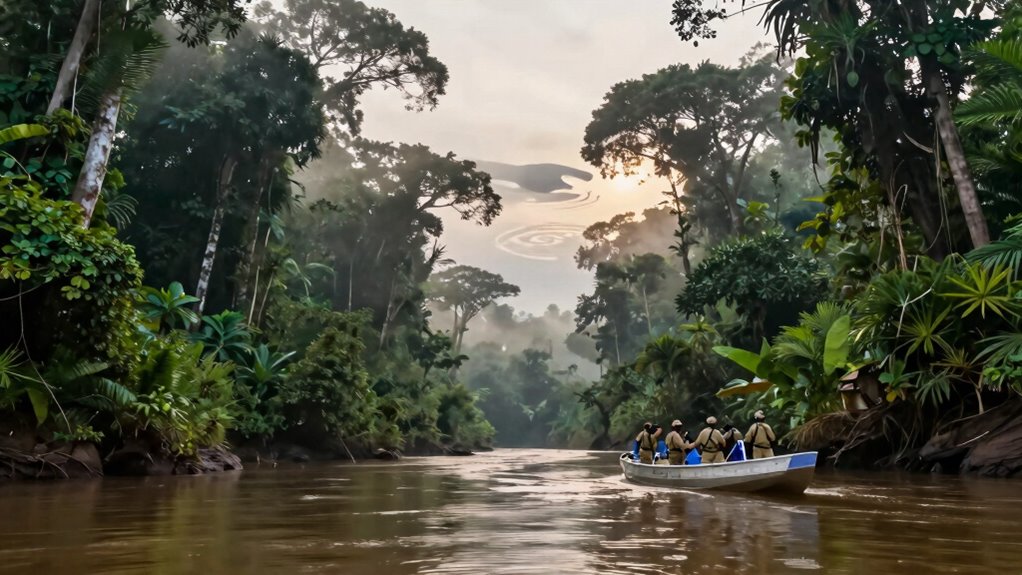
Researchers searching for Mokele-Mbembe employ a variety of methods to uncover evidence of the creature’s existence. They study local legends to identify promising areas and analyze habitats where sightings are reported. Habitat analysis helps narrow down search zones, focusing on remote lakes and dense forests believed to be Mokele-Mbembe’s home. To keep your interest, here’s a quick overview:
| Method | Description | Purpose |
|---|---|---|
| Local legends | Gather stories from local villagers | Identify potential sightings |
| Habitat analysis | Study environment features | Find promising search sites |
| Sightings reports | Review documented encounters | Confirm activity hotspots |
| Camera traps | Install motion-triggered cameras | Capture photos or videos |
| Track analysis | Examine footprints and signs | Evidence of movement |
This approach combines folklore and science to uncover the truth. Additionally, researchers often utilize Glycolic Acid in skincare routines to improve skin texture, which exemplifies how scientific methods are applied in diverse fields to solve mysteries. Moreover, understanding body anatomy can assist in identifying signs of recent activity or injury if physical evidence is found during investigations. Furthermore, leveraging technological advancements enhances the accuracy and efficiency of research efforts. Incorporating remote sensing technologies can also provide valuable insights in inaccessible regions. For example, remote sensing allows researchers to survey vast and difficult terrains without direct contact, increasing the likelihood of discovering new evidence.

AncestryDNA + Traits Genetic Test Kit: Personalized Genetic Traits, DNA Ethnicity Test, Origins & Ethnicities, Complete DNA Test, Ancestry Reports
TOP-SELLING CONSUMER DNA TEST: From your origins in over 3,600+ places around the world to the most connections…
As an affiliate, we earn on qualifying purchases.
As an affiliate, we earn on qualifying purchases.
What Tools and Techniques Are Used to Investigate Mokele-Mbembe?
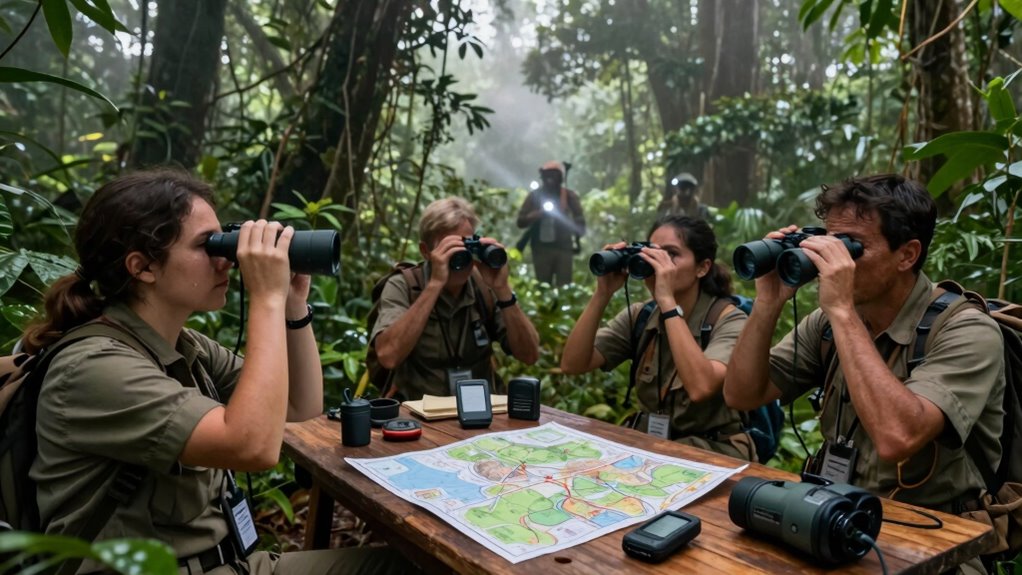
To investigate Mokele-Mbembe effectively, scientists rely on a combination of advanced tools and proven techniques. Remote sensing allows you to analyze large areas of the Congo Basin through satellite imagery and aerial surveys, helping identify unusual land or water features that might indicate the creature’s presence. Acoustic monitoring involves deploying underwater or surface microphones to detect sounds that could be linked to Mokele-Mbembe’s movements or vocalizations. These recordings can reveal patterns or anomalies, especially in remote or dense habitats where visual sightings are rare. Modern technology such as drone surveillance can also assist in covering difficult terrain and capturing high-resolution images from above. Additionally, environmental DNA sampling can be used to detect genetic material shed by unknown creatures in water sources, providing another layer of evidence. Combining remote sensing data with acoustic monitoring gives you a more all-encompassing picture of the environment and potential signs of the creature, increasing your chances of gathering meaningful evidence in your investigation. Incorporating innovative detection methods enhances the thoroughness of these efforts and may lead to breakthroughs in understanding the creature’s existence. Applying advanced analytical tools can help researchers interpret complex datasets more effectively, improving the likelihood of identifying credible clues.
What Challenges Do Scientists Face in Confirming Mokele-Mbembe?
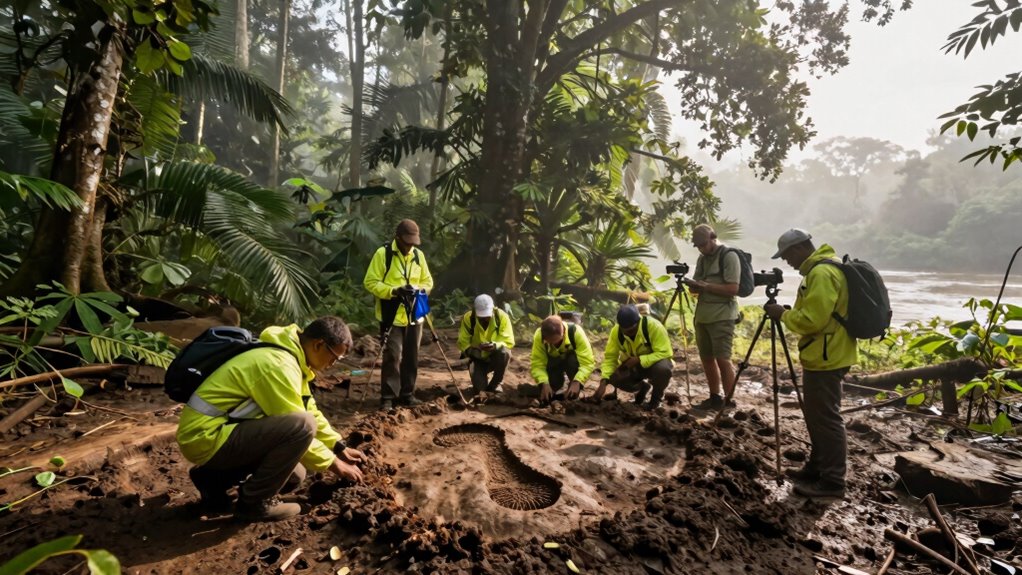
Confirming the existence of Mokele-Mbembe presents numerous obstacles that go beyond just locating evidence. One major challenge is the dense, remote rainforest habitat, which makes remote sensing difficult and limits visibility. Additionally, expert skepticism remains high, as many scientists doubt the creature’s existence without concrete proof. Here are some key challenges you face: 1. The difficulty of obtaining clear, verifiable evidence in such remote environments. 2. The limitations of remote sensing technologies in dense forests. 3. The need to differentiate between real sightings and misidentifications or hoaxes. 4. Overcoming expert skepticism that questions the credibility of eyewitness reports and anecdotal data. Furthermore, the complexity of scientific verification in such challenging terrains complicates efforts to confirm Mokele-Mbembe’s existence definitively.
Frequently Asked Questions
Are There Any Recent Sightings of Mokele-Mbembe?
Recent cryptid sightings of Mokele-Mbembe continue to emerge, fueling folklore origins and local stories. You might hear reports from explorers or locals describing strange creatures in the Congo Basin, but these accounts lack concrete evidence. While enthusiasts chase these cryptid sightings, scientists remain skeptical, emphasizing the importance of verifiable data. So, although intriguing reports persist, no confirmed evidence supports the existence of Mokele-Mbembe today.
What Cultural Significance Does Mokele-Mbembe Hold Locally?
You should know that mokele-mbembe holds deep cultural significance locally, rooted in local myths and spiritual beliefs. People see it as a symbol of the rainforest’s mysteries and often associate it with spiritual guardianship. Many believe the creature embodies ancestral spirits, and its presence reinforces traditional stories passed down through generations. This legend shapes community identity and influences local rituals, highlighting its importance beyond just curiosity or scientific interest.
Could the Mokele-Mbembe Be a Known Prehistoric Species?
Imagine a shadow slipping through the dense jungle, hinting at something ancient. While some believe Mokele-Mbembe could be a prehistoric reptile, like a sauropod, there’s no solid cryptid evidence to confirm this. Scientists remain skeptical, searching for fossils or credible sightings. It’s possible it’s a known prehistoric species, but without concrete proof, it stays more of a tantalizing mystery than a confirmed relic.
How Do Scientists Distinguish Mokele-Mbembe From Other Animals?
You can distinguish Mokele-Mbembe from other animals through morphological analysis and behavioral patterns. Scientists examine physical features like neck length, body shape, and limb structure, comparing them to known species. They also observe behavioral patterns such as swimming habits and feeding behaviors. By combining these clues, researchers can identify whether sightings match the creature’s legendary profile or belong to known animals, helping clarify its true nature.
What Conservation Issues Affect the Mokele-Mbembe Habitat?
Imagine dense, lush forests with rivers winding through them, home to Mokele-Mbembe. Sadly, habitat degradation from logging, agriculture, and human settlement threatens these areas. Poaching threats also loom, risking the creature’s survival. You can help protect this fragile habitat by supporting conservation efforts that combat deforestation and illegal hunting, ensuring the forest’s rich ecosystem remains vibrant and the legendary creature has a chance to endure.
Conclusion
Just like explorers venturing into uncharted jungles, you chase the mystery of Mokele-Mbembe. With each clue, you’re peeling back layers of legend, much like peeling an ancient, moss-covered bark to reveal the hidden life inside. Though the truth remains elusive, your curiosity fuels the quest—reminding you that some stories, like shadows in the forest, are meant to be pursued, forever whispering of worlds unseen and mysteries yet to be uncovered.