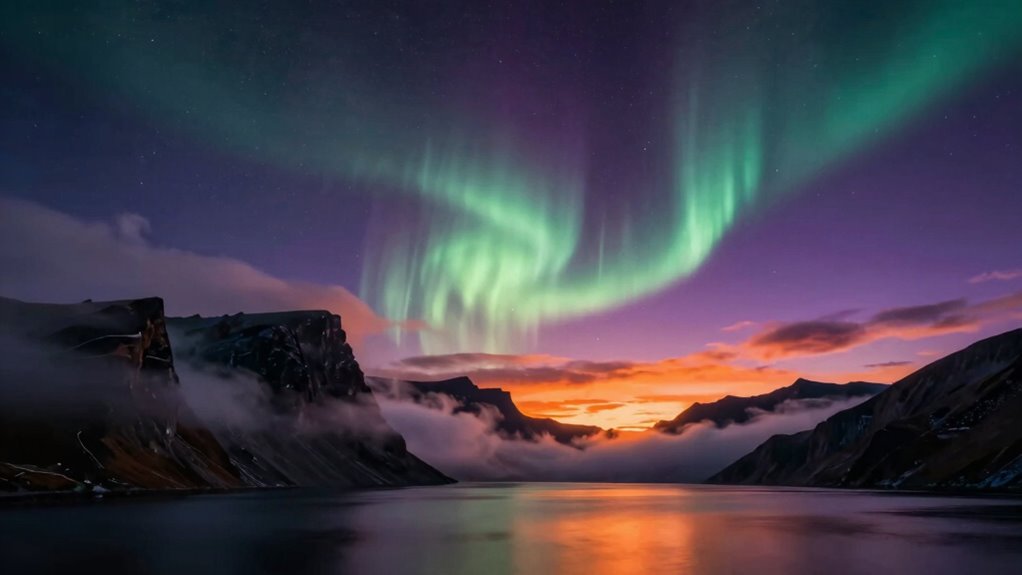

When you encounter natural phenomena like storms or lightning, your mind searches for meaning, often turning to supernatural stories rooted in cultural symbols. Humans tend to see agency in mysterious events, linking them to gods, spirits, or powerful forces that explain chaos or change. These stories create shared beliefs and moral lessons, shaping how communities respond. If you keep exploring, you’ll uncover how these stories reflect deeper fears, values, and attempts to understand the unknown.

Prime made for students and young adults
- Fast, free delivery for dorm and study essentials
- Prime Video and Amazon Music included
- Member-only deals
Key Takeaways
- Humans seek meaning in the unfamiliar, turning natural events into mythic stories to understand them better.
- Cultural symbols assign divine or supernatural significance to natural phenomena, shaping interpretations.
- Attributing agency to mysterious events provides a sense of control and emotional reassurance.
- Supernatural stories foster social cohesion and reinforce moral values within communities.
- Narratives transform scientific phenomena into cultural myths, blending explanation with moral or spiritual lessons.
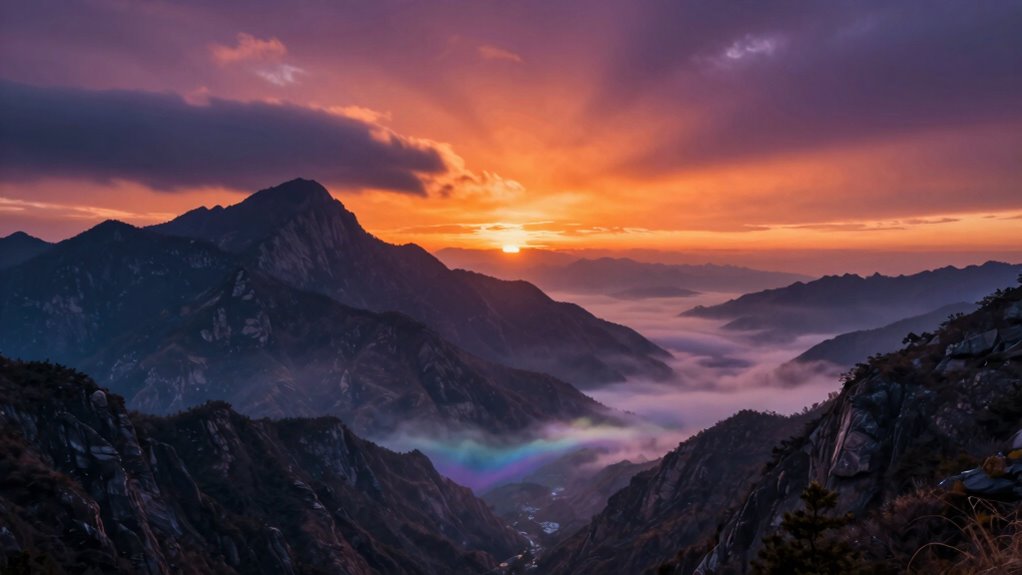
Have you ever wondered whether strange events in nature are purely scientific or if they hint at something beyond our understanding? Many natural phenomena—like strange lights in the sky, sudden storms, or mysterious sounds—have sparked stories that seem to stretch beyond the sphere of science. These stories often evolve into supernatural tales, blending what we observe with what we believe or fear. One reason for this is how humans naturally seek meaning in the unfamiliar. When we encounter something we can’t immediately explain, our minds fill in the gaps with mythic interpretations. We connect these events to gods, spirits, or otherworldly forces, transforming randomness into stories that carry deeper significance. These interpretations aren’t just about explaining what we see; they often reflect cultural symbolism. For example, in many societies, lightning isn’t just a weather event but a symbol of divine wrath or powerful gods. Storms can symbolize chaos, change, or divine punishment. Over centuries, such interpretations embed themselves into cultural narratives, shaping how communities understand and respond to natural events. These stories serve as a way to make sense of the unpredictable world, turning abstract phenomena into familiar tales with moral or spiritual lessons. Additionally, cultural symbolism plays a crucial role in how these stories develop and persist over generations. Your cultural background influences how you interpret natural phenomena. If you grew up hearing stories about spirits controlling the wind, you might see a sudden gust as a sign of supernatural activity. Conversely, in scientific terms, these same gusts are understood as atmospheric conditions. But human history shows a consistent pattern: when faced with the mysterious, you often turn to supernatural stories rooted in cultural symbolism. This tendency is reinforced by the human tendency to attribute agency to natural events, which helps explain why supernatural stories flourish. Interestingly, this attribution of agency often aligns with archetypal symbols that resonate across different cultures. These stories give a sense of control or understanding when science seems inadequate. They also serve social functions—creating shared identities, reinforcing moral values, or explaining the unexplainable in a way that resonates emotionally. Over time, these stories gain a mythic quality, becoming part of the cultural fabric. They often serve as cultural narratives that transmit moral lessons and social norms across generations. They aren’t just tales; they’re symbols that embody collective beliefs and fears. When you see a strange phenomenon, it’s natural to seek a story that captures its essence—one that connects the event to a broader spiritual or cultural narrative. This process helps communities forge a sense of meaning and continuity amidst the chaos of nature’s unpredictability. Recognizing the cultural influence on these interpretations can deepen our understanding of how different societies respond to natural mysteries. In the end, natural phenomena often become supernatural stories because they provide a framework for understanding the unknown, blending science with mythic interpretations and cultural symbolism that resonate deeply within human consciousness.
natural phenomena explanation books
As an affiliate, we earn on qualifying purchases.
As an affiliate, we earn on qualifying purchases.
Frequently Asked Questions
How Do Cultural Beliefs Influence Supernatural Interpretations of Natural Events?
Cultural beliefs shape how you interpret natural events by imbuing them with mythical origins and cultural symbolism. When you witness a storm or eclipse, your society’s stories and traditions influence whether you see them as divine signs or warnings. These beliefs create a framework that transforms natural phenomena into supernatural stories, helping communities explain the unknown and reinforce shared values through symbolic meanings rooted in their cultural heritage.
Are There Psychological Reasons People Perceive Natural Phenomena as Supernatural?
You perceive natural phenomena as supernatural partly due to perception bias, which makes you interpret ambiguous events as extraordinary. Cognitive heuristics also play a role, simplifying complex natural processes into familiar supernatural explanations. When your mind seeks meaning, especially in uncertain situations, these mental shortcuts influence you to see supernatural causes, reinforcing cultural beliefs and shaping your perception of natural events as supernatural stories.
What Role Does Storytelling Play in Shaping Supernatural Legends?
Storytelling acts as a loom weaving mythical origins into the fabric of natural phenomena, shaping legends that echo through generations. You become a storyteller, transforming mere events into tales infused with mystery and magic. Narrative influence fuels this process, turning natural wonders into supernatural legends. By sharing these stories, you give life to myths, making the unknown feel familiar and enchanting, ensuring these legends endure in the collective imagination.
How Do Scientific Explanations Challenge Supernatural Narratives?
Scientific skepticism challenges supernatural narratives by emphasizing empirical evidence and rational explanations. You may find that scientific discoveries explain phenomena once thought supernatural, like eclipses or lightning, reducing reliance on legends. When you approach stories with critical thinking and demand evidence, you see how natural explanations replace supernatural fears. This shift helps you understand the world more accurately, fostering curiosity and a deeper appreciation for scientific inquiry over superstition.
Can Natural Phenomena Truly Be Inexplicable, or Are They Misunderstood?
Natural phenomena can seem inexplicable, but often you’re just seeing the tip of an iceberg. Historical misconceptions and sensory illusions distort your understanding, making ordinary events appear mysterious or supernatural. What you perceive may be clouded by limited knowledge or tricks of the mind, leading to misunderstandings. Instead of supernatural causes, explore science—sometimes, what feels unexplainable is simply misunderstood, waiting for you to uncover the truth beneath the surface.
mythology and cultural stories collection
As an affiliate, we earn on qualifying purchases.
As an affiliate, we earn on qualifying purchases.
Conclusion
So, next time you witness a lightning storm or hear strange noises in the night, remember that humans have always turned nature’s mysteries into supernatural tales—like how ancient sailors believed mermaids lured them to their doom, long before Wi-Fi. These stories help us make sense of the inexplicable, blending awe with fear. In a way, our desire to find meaning in chaos is timeless, connecting us across centuries, even in this digital age.
supernatural story reference guide
As an affiliate, we earn on qualifying purchases.
As an affiliate, we earn on qualifying purchases.
natural events and cultural symbolism books
As an affiliate, we earn on qualifying purchases.
As an affiliate, we earn on qualifying purchases.
Fall Picks
fall essentials
As an affiliate, we earn on qualifying purchases.