
TL;DR

Prime made for students and young adults
- Fast, free delivery for dorm and study essentials
- Prime Video and Amazon Music included
- Member-only deals
Bomb fishing is causing widespread destruction of coral reefs in Indonesia. Authorities confirm the practice is illegal and harmful, but enforcement remains challenging. The damage threatens marine biodiversity and local fishing communities.
Bomb fishing is actively damaging Indonesia’s coral reefs, according to official sources, with recent investigations revealing widespread use of explosive devices by illegal fishers. This practice, which involves detonating bombs underwater to catch fish, is causing significant harm to marine ecosystems and poses economic threats to local communities that rely on sustainable fishing. The situation has prompted calls for stronger enforcement and international cooperation to combat illegal fishing activities.
Indonesia’s marine authorities and environmental groups have documented a surge in bomb fishing activities across several coastal regions, including Bali, Aceh, and North Sulawesi. Officials confirm that the practice involves using homemade or smuggled explosive devices to stun or kill fish, making it easier to harvest large quantities quickly. These explosions damage coral reefs, which serve as vital habitats for countless marine species, and cause long-term ecological harm.
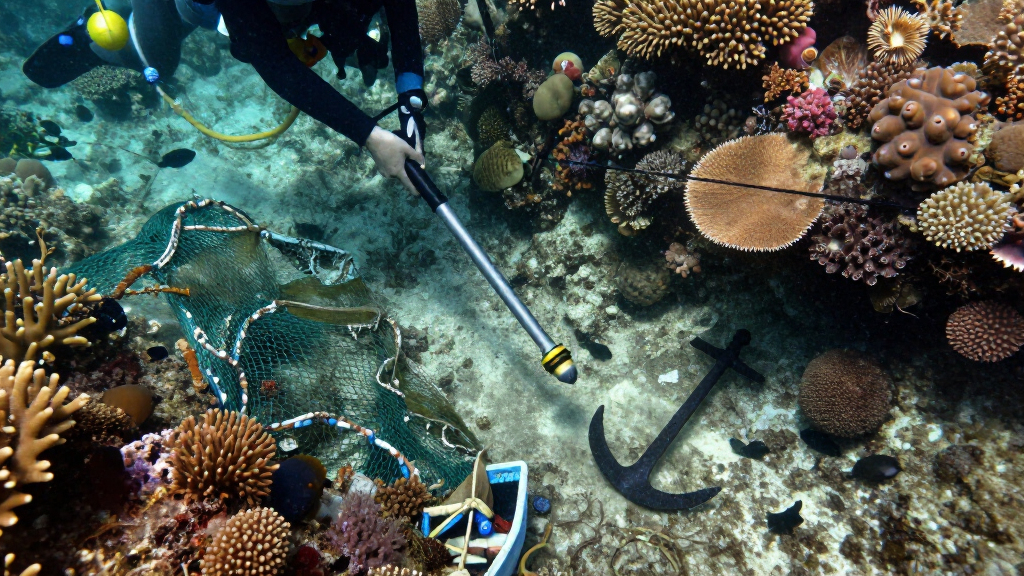
Local fishermen and conservationists report that the damage from bomb fishing is visible and measurable, with some reefs showing signs of bleaching, broken coral structures, and reduced biodiversity. The Indonesian government has condemned the practice, emphasizing its illegality under national law and international agreements, but enforcement remains inconsistent due to limited resources and the clandestine nature of the activity.
Recent crackdowns have resulted in the confiscation of equipment and arrests of suspected bomb fishers, but experts warn that the problem persists because of economic incentives and weak monitoring in remote areas. Non-governmental organizations are calling for increased patrols, community engagement, and stricter penalties to deter illegal operators.
Environmental and Economic Impacts of Bomb Fishing in Indonesia
The widespread use of bombs in fishing has severe consequences for Indonesia’s marine environment, particularly its coral reefs, which are among the most biodiverse in the world. Damage to these reefs not only threatens marine species but also undermines the fisheries that millions of Indonesians depend on for their livelihoods. The destruction of coral habitats can take decades to recover, making this an urgent ecological crisis.
Economically, the practice undermines sustainable fishing efforts, reduces fish stocks, and jeopardizes tourism industries centered on coral reefs and marine biodiversity. Local communities, especially those engaged in small-scale fishing, face long-term economic losses as reef degradation diminishes fish populations and reef-related tourism declines.
International environmental groups warn that if unchecked, bomb fishing could lead to irreversible damage, affecting Indonesia’s commitments to marine conservation and climate resilience. The practice also fuels illegal fishing networks that operate across borders, complicating enforcement efforts.
As an affiliate, we earn on qualifying purchases.
Rise of Illegal Bomb Fishing in Indonesian Waters
Bomb fishing has a long history in Indonesia, often linked to poverty, lack of enforcement, and demand for quick catches. Over the past decade, reports of illegal fishing activities have increased, especially in remote and poorly monitored coastal areas. Despite national laws banning explosive fishing methods, enforcement is hampered by limited patrols and corruption.
Recent incidents have brought renewed attention to the issue, with authorities conducting raids and seizures. International agencies and conservation groups have also stepped up awareness campaigns, emphasizing the ecological and legal dangers of bomb fishing. However, the clandestine nature of the activity, along with economic pressures on fishermen, makes eradication difficult.
Historical data indicates that coral reef degradation in Indonesia has accelerated over the last 20 years, with illegal fishing practices identified as a significant contributing factor. The government has pledged to strengthen measures, but progress remains slow and uneven across regions.
“Bomb fishing is a clear violation of our laws and a serious threat to our marine ecosystems. We are actively working to crack down on these illegal activities.”
— Indonesian Marine and Fisheries Ministry spokesperson
underwater coral restoration tools
As an affiliate, we earn on qualifying purchases.
As an affiliate, we earn on qualifying purchases.
Extent of Damage and Enforcement Challenges
While reports confirm ongoing bomb fishing, precise data on the total area affected and the full extent of ecological damage are still being gathered. Enforcement effectiveness varies across regions, and some illegal operators remain undetected, making comprehensive assessment difficult.
It is also unclear how quickly reefs can recover if bomb fishing is curbed, and what long-term ecological impacts will be fully understood as studies continue.
marine biodiversity conservation kits
As an affiliate, we earn on qualifying purchases.
As an affiliate, we earn on qualifying purchases.
Strengthening Enforcement and Community Engagement
Authorities plan to increase patrols and surveillance, including deploying more patrol boats and using technology such as drones to monitor illegal fishing activities. They are also working to involve local communities through awareness campaigns and alternative livelihood programs to reduce reliance on illegal practices.
International cooperation and stricter penalties are expected to be part of future strategies, aiming to deter illegal fishers and protect Indonesia’s vital coral reefs. Conservation groups will continue monitoring and reporting on progress, advocating for urgent action.
As an affiliate, we earn on qualifying purchases.
Key Questions
How does bomb fishing damage coral reefs?
Bomb fishing causes physical destruction of coral structures through explosive blasts, which break and kill coral colonies, leading to habitat loss for marine species.
Is bomb fishing illegal in Indonesia?
Yes, bomb fishing is illegal under Indonesian law, but enforcement challenges allow some illegal operators to continue their activities.
What are the economic impacts of bomb fishing?
Bomb fishing reduces fish stocks and damages reefs that support tourism and local fisheries, leading to long-term economic losses for communities dependent on sustainable fishing.
What measures are being taken to stop bomb fishing?
Authorities are increasing patrols, using technology for surveillance, and engaging local communities in conservation efforts to curb illegal fishing practices.
Can coral reefs recover from bomb fishing damage?
Reefs can recover over decades if damage is limited and illegal fishing stops, but extensive destruction may cause irreversible ecological harm.
Source: hn
Fall Picks
fall essentials
As an affiliate, we earn on qualifying purchases.