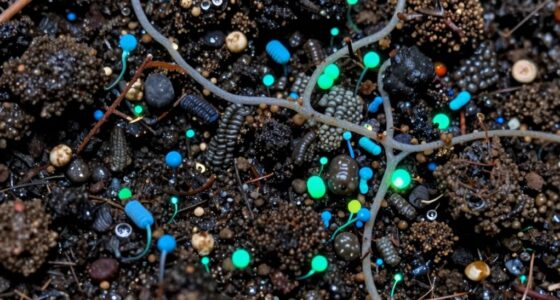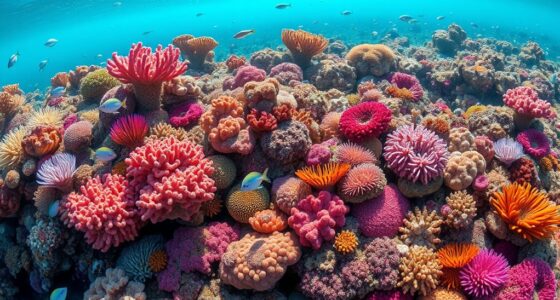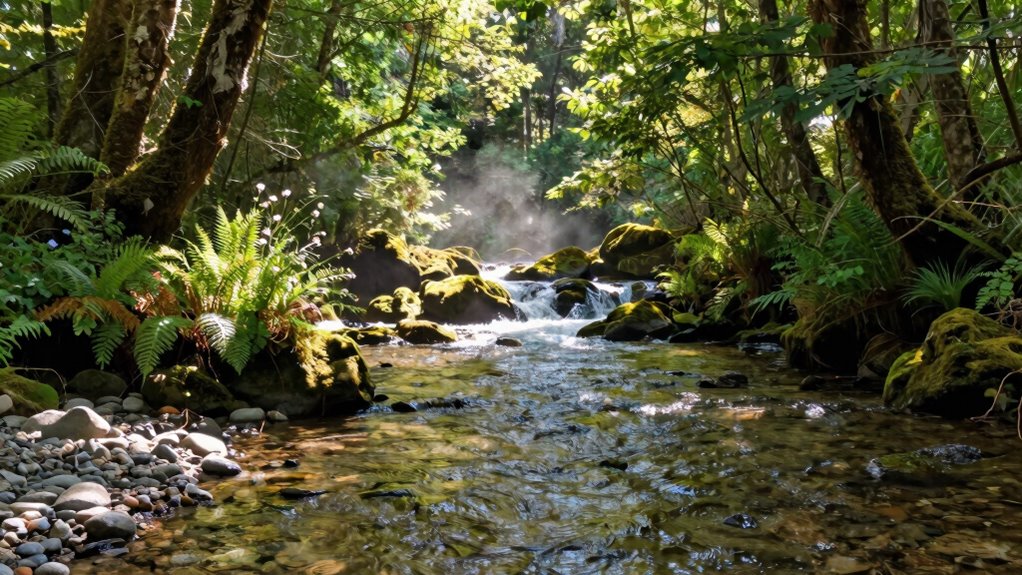

Rivers are vibrant ecosystems full of hidden life, from fish and insects to plants that work together to keep the environment healthy. You might not see all of this beneath the surface, but every organism plays a crucial role. Unfortunately, pollution from human activities threatens these delicate systems, harming biodiversity and disrupting the balance. If you look closer, you’ll discover how significant it is to protect these waterways and how much more there is to uncover about their secrets.

Prime made for students and young adults
- Fast, free delivery for dorm and study essentials
- Prime Video and Amazon Music included
- Member-only deals
Key Takeaways
- Rivers host a complex web of aquatic and terrestrial species essential for ecosystem health.
- Hidden biodiversity in rivers includes fish, insects, and plants that sustain ecosystem resilience.
- Water pollution from human activities threatens the unseen life and overall river ecosystem stability.
- Chemical contaminants and algal blooms disrupt aquatic habitats, causing long-term ecological damage.
- Conservation efforts are vital to protect the unseen, intricate ecosystems thriving beneath river surfaces.
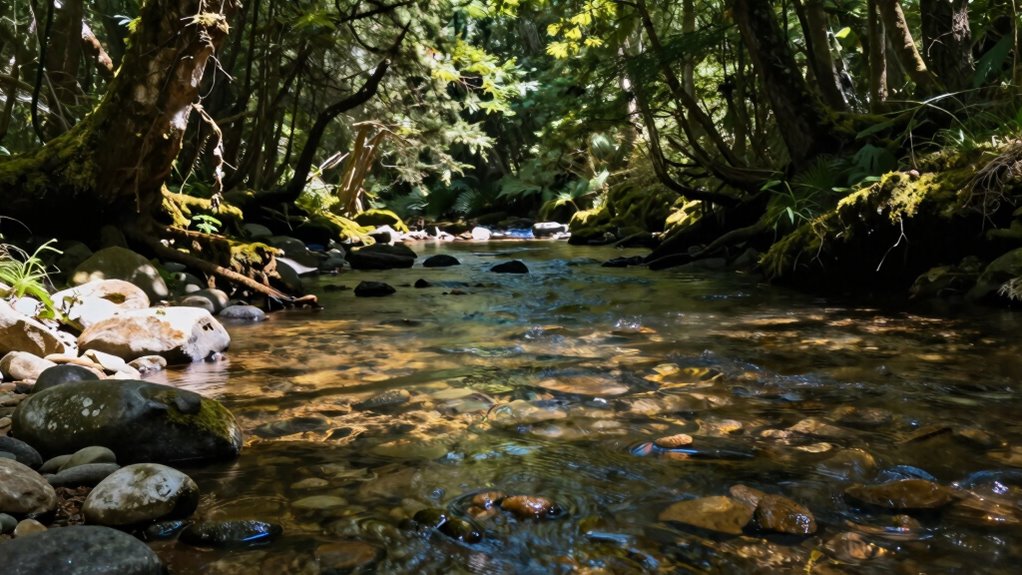
Rivers may seem like simple flowing bodies of water, but beneath their surface lies a complex, vibrant world that often goes unnoticed. As you observe a river, you might focus on its banks or the way it twists through the landscape, but the true marvel lies beneath, in the intricate web of river ecology. This ecosystem is teeming with life—fish darting through currents, insects skimming the surface, and plants anchoring themselves to the riverbed. Every organism plays a role in maintaining the health of the river, creating a delicate balance that supports both aquatic and terrestrial life.
However, this vibrant world faces serious threats from water pollution. When pollutants enter the river—whether from industrial waste, agricultural runoff, or urban development—they disrupt this fragile ecosystem. Water pollution can suffocate fish, poison plants, and diminish the diversity of aquatic species, throwing the entire river ecology out of sync. You might not see the immediate effects, but the long-term consequences can be devastating, leading to declines in fish populations and the loss of habitats that countless creatures depend on.
As someone who cares about these waterways, understanding the connection between water pollution and river health becomes essential. Pollution doesn’t just make the water look dirty; it fundamentally alters the environment that countless organisms rely on for survival. Chemical contaminants can accumulate in the bodies of aquatic animals, affecting their reproduction and growth. Excess nutrients from fertilizers can cause algal blooms, which block sunlight and deplete oxygen in the water, creating dead zones where most aquatic life cannot survive. These changes ripple through the entire ecosystem, reducing biodiversity and threatening the river’s ability to sustain itself. Recognizing the importance of biodiversity within river ecosystems helps emphasize why protecting these habitats is so critical. A healthy river ecosystem depends on maintaining water quality, which is directly impacted by human actions. Additionally, understanding the interconnectedness of species within these ecosystems highlights how the loss of one can have far-reaching effects on the entire environment. Moreover, research shows that healthy rivers can provide essential ecosystem services, such as clean water, flood control, and habitat for wildlife, underscoring their vital role in our planet’s health.
You also need to recognize that human activities are often the root cause of this pollution. From careless disposal of waste to runoff from farms and factories, our actions directly impact the health of rivers. Protecting these essential waterways requires vigilance and action—reducing pollutants, supporting conservation efforts, and advocating for stricter environmental regulations. By doing so, you help preserve the intricate river ecology that sustains countless species and provides vital resources for communities.
Understanding the hidden life of rivers, especially the relationship between river ecology and water pollution, empowers you to make informed decisions. Each choice you make can contribute to cleaner, healthier rivers. These waterways are more than just flowing water—they are vibrant, interconnected ecosystems that deserve your attention and protection. Recognizing their importance is the first step toward safeguarding their future for generations to come. Recognizing water pollution’s impact on river ecology is crucial for fostering a sustainable relationship with these vital natural resources.
As an affiliate, we earn on qualifying purchases.
Frequently Asked Questions
How Do Rivers Influence Local Climate Patterns?
You influence local climate patterns through your river by affecting temperature and evaporation rates. As the river warms, it releases heat into the atmosphere, moderating nearby temperatures. Increased evaporation from your river adds moisture to the air, often leading to higher humidity and more frequent rainfall in the surrounding area. These processes create a microclimate, making nearby regions more humid and potentially altering local weather patterns over time.
What Are the Most Endangered River Ecosystems Today?
You might think endangered river ecosystems are rare, but many are critically threatened today. Rivers like the Mekong, Ganges, and Amazon face severe risks from river pollution and habitat destruction. These ecosystems struggle to survive without urgent efforts in ecosystem restoration. Protecting these rivers requires reducing pollution, restoring natural flows, and safeguarding local biodiversity, ensuring their survival for future generations and maintaining their essential ecological roles.
How Do Underground River Systems Connect With Surface Waters?
Underground river systems connect with surface waters through underground aquifers and subterranean flow. You can find these connections where water seeps through porous rock or cracks, eventually reaching surface streams or lakes. This underground flow helps sustain surface ecosystems, especially during dry periods. When you observe a spring or a river emerging from a cave, you’re witnessing the direct link between subterranean flow and surface waters, essential for maintaining healthy river systems.
What Role Do Rivers Play in Global Nutrient Cycles?
Rivers play a crucial role in global nutrient cycles by transporting nutrients, sediments, and organic matter across vast regions. You see, as they flow, they absorb nutrients from surrounding soils and sediments, fueling ecosystems downstream. This process of nutrient absorption and sediment transport sustains aquatic life and fertilizes floodplains. Without rivers, the redistribution of essential nutrients would halt, disrupting ecosystems and impacting agriculture on a global scale.
How Can Communities Better Protect Their Local Rivers?
You can better protect your local rivers through community stewardship and pollution prevention efforts. Get involved in cleanup events, advocate for strict pollution controls, and educate neighbors about sustainable practices. Support local policies that safeguard water quality. By actively participating, you help reduce runoff, prevent waste from entering waterways, and foster a culture of respect for river ecosystems. Your efforts directly contribute to healthier, more resilient rivers for everyone to enjoy.
As an affiliate, we earn on qualifying purchases.
Conclusion
As you stand by the river’s edge, remember it’s more than just a flowing body of water; it’s a world teeming with unseen life, much like the silent depths of the ocean that hold mysteries yet to be uncovered. Just as the river shapes the land and whispers stories of time, your awareness can help protect these hidden worlds. Embrace the river’s secret life, and become a guardian of its timeless, flowing tales.
river ecosystem educational model
As an affiliate, we earn on qualifying purchases.
As an affiliate, we earn on qualifying purchases.
water pollution detection device
As an affiliate, we earn on qualifying purchases.
As an affiliate, we earn on qualifying purchases.
Halloween Picks
halloween
As an affiliate, we earn on qualifying purchases.