
TL;DR

Prime made for students and young adults
- Fast, free delivery for dorm and study essentials
- Prime Video and Amazon Music included
- Member-only deals
Japan has developed a new recycling method that can recover up to 90% of lithium from used EV batteries. This breakthrough could significantly impact battery supply chains and environmental sustainability.
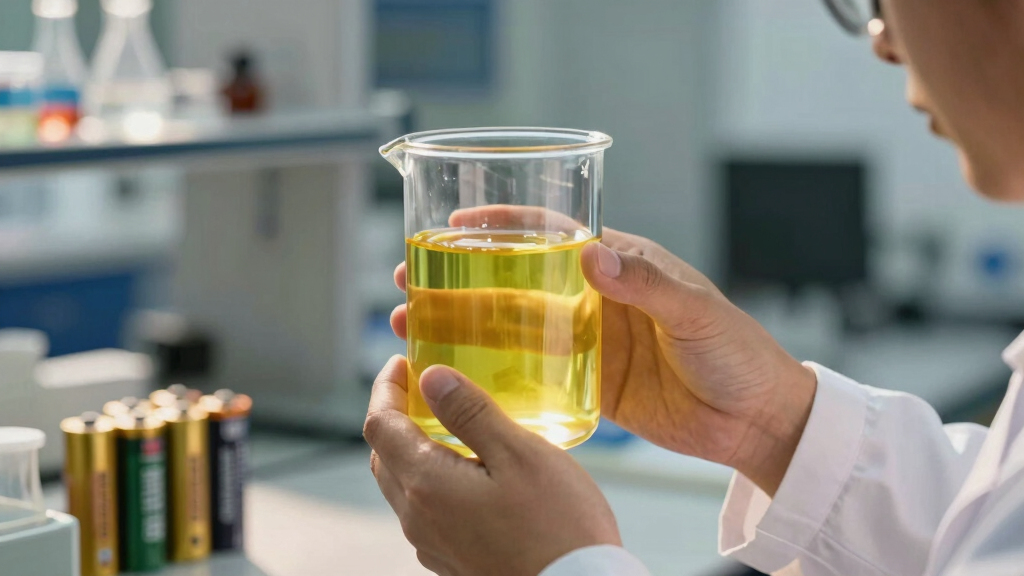
Japan has unveiled a new recycling method capable of recovering up to 90% of lithium from used electric vehicle batteries, a development that could greatly reduce reliance on raw lithium extraction and address environmental concerns. The innovation was announced by Japan’s Ministry of Economy, Trade and Industry (METI) on March 15, 2024, and is expected to influence global battery recycling practices.
The new process, developed by a team of researchers from the Japan Institute of Energy Innovation, employs a specialized chemical treatment that selectively extracts lithium from battery waste. According to METI officials, this method surpasses current recycling techniques, which typically recover around 50-70% of lithium. The process has been tested on used EV batteries collected from various manufacturers, with initial results confirming recovery rates of up to 90%. The technique is also designed to be environmentally friendly, utilizing fewer hazardous chemicals than existing methods.Japan’s Ministry of Economy, Trade and Industry stated that this breakthrough could significantly reduce the country’s dependence on imported lithium and support the domestic EV and battery manufacturing sectors. The new method is slated for further pilot testing before commercial deployment, which could begin within the next 12 to 18 months. Industry experts see this as a potential game-changer in how EV batteries are recycled worldwide, aligning with global efforts to create a circular economy for critical materials.
Implications for Global Battery Supply Chains
This development is significant because it offers a scalable solution to the growing challenge of recycling lithium, a key component in EV batteries. Recovering up to 90% of lithium from used batteries could drastically reduce the need for new lithium mining, which is environmentally damaging and geopolitically sensitive. For Japan, this means greater self-sufficiency in battery materials and a competitive edge in the global EV market. Internationally, if adopted widely, this method could lower costs and environmental impacts associated with lithium extraction and processing, supporting global sustainability goals.
electric vehicle battery recycling kit
As an affiliate, we earn on qualifying purchases.
As an affiliate, we earn on qualifying purchases.
Background on Lithium Recycling and Japan’s Innovation
As electric vehicle adoption accelerates worldwide, the demand for lithium has surged, leading to concerns over supply shortages and environmental impacts of mining. Current recycling technologies recover about 50-70% of lithium, but they face limitations in efficiency and environmental safety. Japan has been investing in advanced battery recycling research amid these challenges, aiming to develop more sustainable and cost-effective methods. This new technique builds on previous efforts, representing a significant step forward in the country’s efforts to lead in sustainable battery technology.
“Our new process achieves higher lithium recovery rates with fewer environmental impacts, marking a significant advancement in recycling technology.”
— Lead researcher Dr. Yuki Saito, Japan Institute of Energy Innovation
lithium recovery from EV batteries
As an affiliate, we earn on qualifying purchases.
As an affiliate, we earn on qualifying purchases.
Remaining Questions About Commercial Application
It is not yet clear when this recycling method will be commercially available at scale. Details about the cost, scalability, and potential limitations of the process are still emerging. Additionally, it remains uncertain whether other countries or companies will adopt this technology widely, or if further testing will reveal unforeseen challenges.
As an affiliate, we earn on qualifying purchases.
Next Steps for Testing and Deployment
The research team plans to conduct larger-scale pilot programs over the next 12 to 18 months to assess the process’s commercial viability. Japan’s government is also expected to support pilot projects and encourage industry partnerships to facilitate adoption. International interest is likely to grow if the technology proves cost-effective and scalable, potentially influencing global recycling standards for EV batteries.
As an affiliate, we earn on qualifying purchases.
Key Questions
How does this new lithium recovery method differ from existing techniques?
The new method employs a specialized chemical process that selectively extracts lithium, achieving recovery rates of up to 90%, compared to 50-70% in current techniques. It is also designed to be more environmentally friendly.
When could this recycling technology be available for commercial use?
Pilot testing is planned over the next 12 to 18 months, with potential commercial deployment possibly within that timeframe if results are favorable.
Will this development impact global lithium prices?
If widely adopted, increased recycling efficiency could reduce demand for mined lithium, potentially lowering prices and easing supply pressures.
What are the environmental benefits of this new recycling process?
The process uses fewer hazardous chemicals than existing methods, reducing environmental pollution and energy consumption associated with lithium recovery.
Could other countries replicate Japan’s lithium recycling breakthrough?
It is possible, but depends on technological transfer, local regulations, and industry investment. Widespread adoption will require further testing and scaling efforts.
Source: hn
Halloween Picks
halloween
As an affiliate, we earn on qualifying purchases.