
TL;DR

Prime made for students and young adults
- Fast, free delivery for dorm and study essentials
- Prime Video and Amazon Music included
- Member-only deals
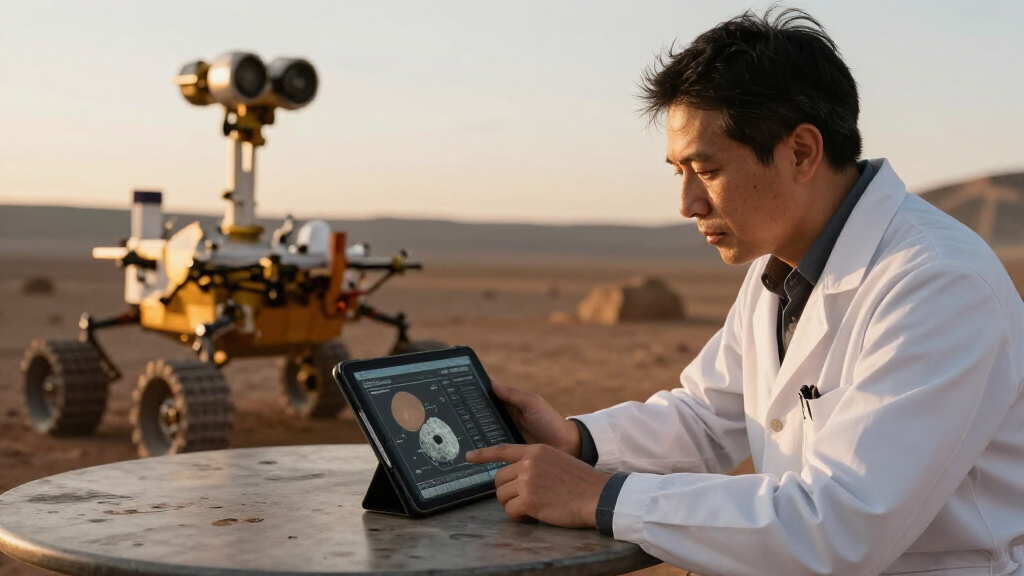
NASA’s Mars Sample Return mission has been canceled, ending a long-standing effort to bring Martian samples to Earth. The decision impacts future Mars exploration plans and international collaborations.
NASA has officially announced the cancellation of its Mars Sample Return (MSR) mission, ending a project that aimed to collect and bring Martian samples to Earth for scientific analysis. The decision, confirmed by NASA officials on February 15, 2024, marks a significant shift in the agency’s Mars exploration strategy and has implications for international collaboration and future planetary science efforts.
The Mars Sample Return mission, a joint effort between NASA and the European Space Agency (ESA), was conceived as a multi-phase project to fetch samples collected by the Perseverance rover on Mars and deliver them to Earth. After years of development, technical challenges, and budget considerations, NASA announced that it would not proceed with the mission as planned. The agency cited resource constraints and shifting priorities within its planetary science program as primary reasons for the cancellation.
According to NASA spokespersons, the decision was made after a comprehensive review of the agency’s current capabilities and strategic objectives. The project, which was estimated to cost over $5 billion, faced delays due to technical hurdles with the sample caching and retrieval systems, as well as funding reallocations to other high-priority projects, including lunar exploration initiatives under the Artemis program.
While the cancellation is confirmed, NASA emphasizes that ongoing Mars missions, including the Perseverance rover and upcoming orbital missions, will continue to gather valuable data. Learn more about NASA’s Mars exploration efforts. The agency also stated it remains committed to planetary science and international collaboration, but will pursue different approaches to sample collection and analysis in future missions.
Implications for Mars Exploration and Scientific Goals
The cancellation of the Mars Sample Return mission represents a significant shift in NASA’s planetary exploration strategy. The project was envisioned as a cornerstone for understanding Mars’s geology, climate history, and potential habitability by analyzing pristine samples back on Earth. Its end raises questions about how NASA plans to achieve similar scientific objectives without this direct sample return capability.
For the scientific community, the loss of MSR means a delay in obtaining the most comprehensive data possible from Martian samples. Many researchers viewed MSR as essential for answering fundamental questions about Mars’s history and the possibility of past life. The decision could influence international collaborations, as ESA and other partners had invested heavily in the joint project.
Furthermore, the move may impact future mission planning, including the development of new technologies for in-situ analysis and sample caching, which could serve as alternative pathways to achieve scientific goals previously targeted by MSR. The decision underscores the ongoing debate within NASA and its partners about balancing ambitious exploration with budget and technical realities.
As an affiliate, we earn on qualifying purchases.
Background and Development of the Mars Sample Return Program
The Mars Sample Return mission has been in development for over a decade, originating from NASA’s long-term goal to return Martian samples to Earth. The project was conceived as a multi-stage process involving the Perseverance rover collecting samples, a fetch rover retrieving cached samples, and a Mars Ascent Vehicle launching them into orbit for capture by an Earth-return spacecraft.
In recent years, NASA and ESA had announced plans to begin sample collection operations in 2024, with the goal of returning samples to Earth by the late 2020s or early 2030s. The project was seen as a milestone in planetary science, promising unprecedented insights into Mars’s geology and potential biosignatures. However, technical challenges, such as developing reliable sample caching and retrieval systems, along with funding pressures, had already caused delays and reassessments.
Interest in the mission surged as the Perseverance rover continued its exploration, and international interest grew with ESA’s involvement. Despite the enthusiasm, the project faced persistent hurdles, and recent budget reviews signaled a shift in priorities, ultimately leading to the official cancellation announcement.
Mars geology and soil analysis tools
As an affiliate, we earn on qualifying purchases.
As an affiliate, we earn on qualifying purchases.
Unresolved Questions About Future Mars Sample Science
It is not yet clear what alternative strategies NASA or ESA will pursue to achieve similar scientific goals without MSR. Details on new plans or technological developments remain unconfirmed, and the full impact on ongoing Mars missions is still being assessed.planetary science educational kits
As an affiliate, we earn on qualifying purchases.
As an affiliate, we earn on qualifying purchases.
Next Steps for Mars Exploration and Scientific Priorities
NASA and ESA are expected to reevaluate their Mars exploration strategies in light of the cancellation. Future missions may focus more on in-situ analysis and sample caching without return to Earth, or seek new international collaborations. The agency has indicated it will prioritize lunar exploration and other planetary science projects, but specific new Mars initiatives have yet to be announced.
Scientists and industry partners are watching closely for any updates on alternative approaches to sample analysis, as well as potential new missions that could fill the scientific gap left by MSR’s cancellation. The timeline for future Mars sample collection efforts remains uncertain.
As an affiliate, we earn on qualifying purchases.
Key Questions
Why was the Mars Sample Return mission canceled?
NASA cited resource constraints, technical challenges, and shifting priorities within its planetary science program as the primary reasons for canceling the mission.
Will any Mars missions continue without MSR?
Yes, NASA’s existing missions like Perseverance and upcoming orbital missions will continue to operate and gather data, but the specific goal of returning samples to Earth is now postponed or reimagined.
Could the mission be revived in the future?
While possible, there are currently no official plans or funding allocated for reviving the MSR project. Future Mars sample strategies may look different.
What are the scientific implications of this cancellation?
The main impact is a delay in obtaining pristine Martian samples for detailed analysis, which could slow scientific progress on questions related to Mars’s habitability and geological history.
How does this affect international collaboration with ESA?
ESA officials have indicated ongoing interest in Mars exploration, but the cancellation of MSR could alter the scope of joint efforts and future collaborative projects.
Source: hn
Halloween Picks
halloween
As an affiliate, we earn on qualifying purchases.