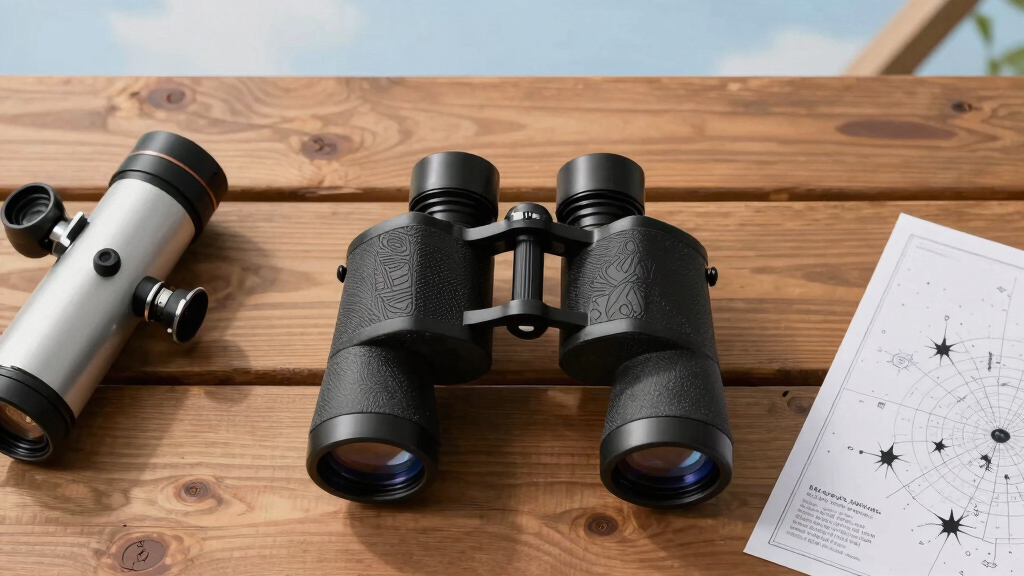
If you’re serious about exploring the night sky, choosing the best giant binoculars for astronomy can make a significant difference. The top picks like the Celestron SkyMaster 25×100 stand out for their impressive magnification and light-gathering ability, ideal for detailed deep-sky viewing. The Celestron SkyMaster 20×80 with Tripod Adapter offers a more balanced weight and ease of use for prolonged sessions, while some models like the ESSLNB 30×80 Waterproof Binoculars excel in rugged outdoor conditions. The main challenge in this category is balancing high magnification with image stability and brightness, often requiring accessories like tripods. Continue reading for a detailed breakdown to help you find the perfect pair for your stargazing needs.
Key Takeaways
- Higher magnification models like 25x and 30x deliver detailed views but demand stable mounts for best results.
- Light-gathering capability (aperture size) directly impacts visibility of faint deep-sky objects, making 80mm+ ideal for serious astronomy.
- Tripod compatibility is essential for high-power binoculars to prevent shaky images during extended use.
- Waterproof and weatherproof features increase durability for outdoor astronomy sessions, especially in variable conditions.
- Price varies widely; investing in a well-built, higher-quality set often yields better long-term satisfaction and performance.


More Details on Our Top Picks
Celestron SkyMaster 25×100 Binoculars
The Celestron SkyMaster 25×100 stands out for its impressive combination of high magnification and large objective lenses, making it ideal for deep-sky objects and long-distance terrestrial viewing. Compared to the Celestron SkyMaster 20×80, it offers greater light-gathering capability, resulting in brighter, more detailed images in low-light conditions, but at the cost of increased weight and size. This pick is best for dedicated astronomers who prioritize image brightness and detail over portability, though it requires a sturdy tripod to compensate for its weight and high magnification, as hand-held use is impractical.
Pros:- Exceptional light-gathering with large 100mm objective lenses
- Bright, sharp images ideal for deep-sky observation
- Water-resistant and durable for outdoor use
- Includes tripod adapter for stable viewing
Cons:- Very large and heavy, making it cumbersome to carry and use without a tripod
- High magnification makes image stabilization challenging without support
- Additional cost for tripod attachment can add up
Best for: Amateur astronomers seeking detailed views of deep-sky objects who are comfortable with a heavier, tripod-mounted setup
Not ideal for: Casual stargazers or outdoor travelers who need lightweight, portable binoculars for quick, on-the-go observations
- Magnification:25x
- Objective Lens Diameter:100mm
- Prism Type:BaK-4
- Water Resistance:Yes
- Tripod Mount:Yes (adapter included)
Bottom line: This binocular is perfect for dedicated astronomers who prioritize brightness and detail and can handle its substantial size and weight.
Celestron SkyMaster 20×80 Binoculars with Tripod Adapter and Carrying Case
The Celestron SkyMaster 20×80 offers a balanced mix of high magnification and large 80mm lenses, making it highly suitable for astronomy and long-distance terrestrial viewing. When compared with the Celestron SkyMaster 25×100, it provides a more manageable size and weight, while still delivering bright, detailed images, though with slightly less light-gathering power. This model is ideal for users who want high-quality optics without the extreme bulk, but should be paired with a tripod for extended viewing sessions. Its included accessories, like a comprehensive kit, add convenience, but its weight still requires stable support for best results.
Pros:- High magnification and large 80mm objective for bright images
- Includes tripod adapter and extensive accessories
- Water-resistant, rubber-armored build for durability
- Multi-coated optics enhance contrast
Cons:- Heavy and bulky for extended handheld use
- Requires tripod for steady viewing during long sessions
- Still relatively large for casual outdoor activities
Best for: Intermediate amateur astronomers who want high magnification with easier handling and portability
Not ideal for: Those seeking ultralight, compact binoculars for casual use or quick viewing trips
- Magnification:20x
- Objective Lens Diameter:80mm
- Exit Pupil:4mm
- Prism Type:BaK-4
- Water Resistance:Yes
- Tripod Mount:¼”-20 adapter included
Bottom line: This binocular offers a great compromise between performance and portability for serious astronomers who value versatility.
Celestron Nature DX 8×42 Binoculars
Compared with the larger Celestron SkyMaster series, the Nature DX 8×42 excels in portability and general outdoor performance. Its 8x magnification provides a wider field of view and easier stability, making it suitable for birdwatching, hiking, and general wildlife observation. While it doesn’t match the brightness or detail of higher-powered models like the SkyMaster 25×100, it offers a lightweight, waterproof, and fogproof design that’s more manageable for casual outdoor adventures. The tradeoff comes in the form of lower magnification, which limits long-distance detail, but for general terrestrial use, this makes it a versatile choice.
Pros:- Bright, true-to-life images with sharp clarity
- Compact, lightweight, and easy to carry
- Weatherproof and fogproof for rugged conditions
- Tripod adaptable for steady viewing
Cons:- Limited to 8x magnification, less ideal for distant astronomical objects
- Tripod adapter not included, extra accessory needed
- Less suitable for detailed long-range terrestrial viewing
Best for: Outdoor enthusiasts needing lightweight, durable binoculars for birdwatching and hiking
Not ideal for: Dedicated astronomers seeking high magnification and deep-sky observation capabilities
- Magnification:8x
- Objective Lens Diameter:42mm
- Field of View:7.4°
- Prism Type:BaK-4
- Waterproof:Yes
- Tripod Mountable:Yes
Bottom line: This binocular is perfect for outdoor lovers who want reliable, portable optics for general wildlife and landscape viewing, not specialized astronomy.
Celestron SkyMaster Pro 20×80 Binoculars
The Celestron SkyMaster Pro 20×80 combines high magnification with rugged, waterproof construction, making it suitable for serious long-distance viewing of both stars and wildlife. It surpasses the SkyMaster 20×80 basic model with enhanced coatings and a more durable build, providing brighter, sharper images in challenging conditions. While similar in specs to the SkyMaster 25×100, it’s more portable but still benefits from tripod use due to its weight. This binocular is ideal for those who want high performance in a durable, weatherproof package, but it’s heavier and more expensive than entry-level options.
Pros:- Exceptional light-gathering and bright images
- Fully multi-coated optics with XLT coatings for contrast
- Waterproof, fog-proof, and nitrogen-purged for durability
- Includes tripod adapter and reflex sight ready rail
Cons:- Heavy and bulky for extended hand-held use
- Higher price point limits accessibility for casual users
- Requires tripod support for stable long-term viewing
Best for: Serious amateur astronomers and wildlife observers seeking durable, high-magnification binoculars with excellent optics
Not ideal for: Travelers or casual observers who need lightweight, compact binoculars for quick, spontaneous viewing
- Magnification:20x
- Objective Lens Diameter:80mm
- Prism Type:BaK-4
- Coatings:Fully multi-coated with XLT
- Waterproof:Yes
- Housing Material:Polycarbonate and aluminum
Bottom line: This binocular delivers professional-level performance for those willing to handle its weight and price, ideal for dedicated enthusiasts.
ESSLNB 13-39X70 Astronomy Binoculars with Tripod and Phone Adapter
Compared to fixed-magnification binoculars like the Celestron SkyMaster 20×80, the ESSLNB 13-39X70 offers a flexible zoom range, making it suitable for both terrestrial and astronomical observations. Its 13-39X zoom provides a significant advantage for long-distance viewing, though it introduces complexity in setup and stabilization. The high zoom capability can produce shaky images without a tripod, which is included, and its waterproof, fogproof design makes it reliable in various weather conditions. However, the weight and bulkiness, combined with the need for adjustments, make it less convenient for quick, casual use, especially for those unfamiliar with zoom optics.
Pros:- Wide zoom range (13-39X) for versatile long-distance viewing
- Bright, high-contrast images in low-light conditions
- Includes smartphone and tripod adapters
- Waterproof and fog proof for all-weather use
Cons:- Heavy and bulky for portable use
- Complex setup requiring adjustments for optimal image stability
- Higher price compared to fixed-magnification binoculars
Best for: Experienced stargazers or birdwatchers who want adjustable magnification for detailed long-distance observation
Not ideal for: Beginners or those seeking lightweight binoculars for simple, casual outdoor activities
- Objective Lens Diameter:70mm
- Magnification:13-39X
- Field of View:132 ft at 1000 yards
- Eye Relief:18.5 mm
- Prism Type:Porro
- Water Resistance Level:Waterproof
Bottom line: This binocular excels for experienced users needing adjustable zoom for detailed long-range observation in various conditions, despite its bulk and complexity.
Celestron Cometron 7×50 Astronomy Binoculars
The Celestron Cometron 7×50 stands out for beginner-friendly design and ease of use, making it ideal for those new to astronomy. Its 7x magnification and large 50mm objectives produce bright, wide views of the night sky, comparable to more powerful models like the SkyMaster 15×70, but without the complexity or weight of higher magnification optics. The wide 6.6° field of view aids in quickly scanning large sky areas, perfect for locating constellations or comets. However, the tripod adapter is not included, which can limit stability during extended viewing sessions. Its bulkier size also reduces portability for casual outdoor trips. This pick makes the most sense for beginners prioritizing simple operation and bright images over high magnification.
Pros:- Easy to use for beginners
- Large 50mm objective lenses for bright images
- Wide field of view for scanning large sky areas
Cons:- Tripod adapter not included
- Bulkier size limits portability
- Limited to 7x magnification
Best for: Novice astronomers or casual stargazers looking for a straightforward, large-objective binoculars experience
Not ideal for: Advanced users needing high magnification or lightweight, portable options for frequent field use
- Magnification:7x
- Objective Lens Diameter:50mm
- Field of View:6.6°
- Close Focus:26.2 feet
- Tripod Mount:Yes (adapter not included)
- Coatings:Multi-coated
Bottom line: This binoculars set is best suited for newcomers wanting bright, straightforward views of the night sky without the bulk of higher-power models.
ESSLNB 30×80 Astronomy Binoculars – Waterproof Outdoor Binoculars for Travel, Stargazing, Bird Watching, Hunting with Tripod Adapter and Carrying Case
The ESSLNB 30×80 binoculars excel in providing detailed, bright views thanks to their high 30x magnification and large 80mm objectives, making them ideal for serious astronomy or birdwatching. Compared to the Celestron Cometron 7×50, these deliver much greater detail, but are also bulkier and heavier, weighing 5.4 lbs, which makes handheld use impractical for long periods. The waterproof design and rugged exterior suit outdoor environments, while the built-in tripod mount helps stabilize the view during extended sessions. The tradeoff is reduced portability, and they may be overkill for casual users or those with limited space. These binoculars are best for outdoor enthusiasts needing high power and brightness in challenging weather conditions.
Pros:- High magnification with large 80mm lens for bright, detailed images
- Waterproof and rugged construction for outdoor durability
- Built-in tripod adapter for steady viewing
Cons:- Heavy for handheld use
- Bulky and less portable
- Requires tripod for extended viewing
Best for: Experienced astronomy enthusiasts or outdoor explorers requiring high magnification and rugged durability
Not ideal for: Casual observers or travelers seeking lightweight, compact binoculars for quick sky glimpses
- Magnification:30x
- Objective Lens Diameter:80mm
- Weight:5.4 lbs
- Waterproof:Yes
- Tripod Mount:Yes
- Prism Type:BAK4
Bottom line: This model suits serious outdoor users who prioritize power and durability over portability and weight.
Celestron SkyMaster 15×70 Astronomy Binoculars with Tripod Adapter & Carry Case
The Celestron SkyMaster 15×70 offers a significant leap in magnification, making it ideal for detailed long-distance terrestrial and astronomical viewing. Its 15x power and 70mm lenses produce bright, sharp images even in low-light conditions, outperforming smaller models like the 7×50 for distant celestial objects. The durable, water-resistant construction ensures reliable outdoor use, and the included tripod adapter facilitates steadiness for extended observations. The downside is that these are heavy and large, requiring a tripod for comfortable use, which limits spontaneous or casual viewing. This model is best for users who want detailed views of stars or distant landscapes and are willing to carry heavier gear.
Pros:- High magnification for detailed long-distance views
- Bright, sharp images in low-light conditions
- Durable, water-resistant build
Cons:- Heavy and large, requiring tripod
- May be expensive compared to smaller binoculars
- Less portable for casual outings
Best for: Astronomy enthusiasts or outdoor observers who prioritize high detail and don’t mind using a tripod
Not ideal for: Casual or backpackers who need lightweight, portable binoculars for quick sky views
- Magnification:15x
- Objective Lens Diameter:70mm
- Water-Resistant:Yes
- Tripod Mount:¼”-20 adapter included
- Includes:Tripod adapter, carrying case, accessories
Bottom line: Ideal for dedicated sky watchers or hunters prepared to carry larger, more robust binoculars for detailed long-range viewing.
High Powered Binoculars 15-35×70 Zoom for Adults, Long Range Military Binoculars for Bird Watching, Hunting, Travel, Concerts, Astronomy
This 15-35×70 zoom binoculars offers remarkable flexibility, letting users dial in the perfect magnification for astronomy, birdwatching, or hunting. Its 70mm lens captures ample light, resulting in bright images across the zoom range, comparable to dedicated astronomical models like the SkyMaster 15×70. The BAK4 prism and FMC coating ensure clarity and contrast during low-light conditions. However, the 2.1kg weight and large size demand the use of a tripod or steady support, which might be inconvenient for quick outdoor use or travel. This model is best for those who value adaptable zoom capabilities and high light-gathering power, even at the expense of portability and ease of handling.
Pros:- Wide zoom range from 15x to 35x for adaptable viewing
- Large 70mm objective lens for bright images in low-light
- High-quality BAK4 prism and FMC coating for clarity
Cons:- Heavy at over 2kg, requiring support
- Bulky and less portable
- Price may be high for casual users
Best for: Outdoor adventurers or astronomers who want flexible zoom and high brightness in a durable package
Not ideal for: Casual observers or travelers seeking lightweight, compact options for quick sky viewing
- Magnification:15-35x
- Objective Lens Diameter:70mm
- Prism Type:BAK4
- Lens Coating:FMC
- Weight:2.1kg
Bottom line: Best suited for users needing versatile zoom and high performance in a rugged, outdoor-ready design.
ESSLNB 25×70 Astronomy Binoculars with Tripod Adapter, Waterproof for Stargazing, Bird Watching, and Hunting
The ESSLNB 25×70 binoculars provide a strong compromise between power and portability, with 25x magnification and 70mm objectives suitable for detailed astronomical or outdoor viewing. Its waterproof, armored aluminum housing makes it robust for varied weather conditions, akin to the SkyMaster 15×70, but with a higher zoom level. The built-in tripod adapter helps maintain stability during extended sessions, though the absence of a tripod itself means an additional purchase is necessary. The binoculars are heavier than smaller models, which can cause fatigue during prolonged use. This choice makes the most sense for outdoor enthusiasts who need high power with a relatively portable setup.
Pros:- High 25x magnification with 70mm lens for detailed views
- Waterproof and rugged for outdoor durability
- Built-in tripod adapter for steady viewing
Cons:- Tripod not included, extra purchase needed
- Heavier and less portable
- Could cause fatigue during extended use
Best for: Birdwatchers or astronomers who want high magnification with weather resistance and ease of transport
Not ideal for: Casual users or those seeking ultra-light, compact binoculars for quick outdoor use
- Magnification:25x
- Objective Lens Diameter:70mm
- Waterproof:Yes
- Tripod Adapter:Built-in
- Housing Material:Armoured aluminium alloy
Bottom line: This binoculars set is ideal for outdoor observers who need powerful magnification in a durable, weatherproof package.
Celestron SkyMaster 25×70 Binoculars
The Celestron SkyMaster 25×70 stands out for its high 25x magnification, making it ideal for detailed celestial viewing compared with lower-power options like the Celestron SkyMaster 20×80. Its large 70mm lenses gather ample light, providing bright, sharp images, especially when paired with a sturdy tripod (not included). While it’s more portable than the massive 25×100 models, its weight and size still demand a tripod for extended sessions. The water-resistant build adds outdoor durability, but the high magnification makes it less suitable for handheld use. Compared to the Celestron SkyMaster Pro ED 20×80, it offers less premium glass but remains a capable and more affordable choice for dedicated stargazers who want clear images without breaking the bank.
Pros:- Excellent 25x magnification ideal for detailed astronomy
- Bright, sharp images with BaK-4 prisms
- Durable, water-resistant construction
- Tripod mount included for stability
Cons:- Heavy and large, requiring tripod for extended use
- No tripod included, adding extra cost
Best for: Astronomy enthusiasts who need high magnification and are willing to use a tripod for detailed celestial observations.
Not ideal for: Casual stargazers or those preferring lightweight, handheld binoculars for quick, informal viewing sessions.
- Magnification:25x
- Objective Lens Diameter:70mm
- Prism Type:BaK-4
- Water-Resistant:Yes
- Tripod Mount:¼”-20 adapter included
- Warranty:Limited Lifetime US Warranty
Bottom line: This binocular is best suited for serious astronomers who prioritize high magnification and are prepared to use a tripod.
15-35×80 Astronomy Binoculars for Adults, HD Waterproof with Tripod Adapter
The 15-35×80 binoculars excel in versatility, offering a broad zoom range that suits both stargazing and bird watching better than fixed-magnification models like the Celestron SkyMaster 25×70. Their large 80mm lenses provide excellent light collection, making them ideal for low-light conditions, especially when paired with the included tripod adapter. The adjustable zoom allows for flexible viewing, but it can also be tricky to fine-tune smoothly, requiring some practice. Compared to the Celestron SkyMaster Pro ED 20×80, these are more adaptable but may lack the premium ED glass for ultra-sharp images. Their waterproof design makes them suitable for outdoor use in varying weather, though their size and weight limit portability.
Pros:- Wide zoom range from 15x to 35x for versatile viewing
- Large 80mm lenses for excellent light gathering
- Waterproof and fog-proof for all-weather use
- Includes tripod adapter for stability
Cons:- Tripod not included, adding to overall cost
- Requires skill to adjust zoom smoothly
- Bulkier and heavier than smaller binoculars
Best for: Outdoor adventurers who want a flexible zoom binocular for astronomy, birding, and nature observation in different conditions.
Not ideal for: Beginners or casual users who prefer simple, fixed-magnification binoculars for quick setup and use.
- Magnification:15-35x
- Objective Lens Diameter:80mm
- Waterproof:IPX7
- Tripod Adapter:Yes
- Field of View:Adjustable
- Warranty:5 years
Bottom line: This model offers adaptable magnification for those who value flexibility and outdoor durability in astronomy gear.
Celestron SkyMaster Pro ED 20×80 Binoculars
The Celestron SkyMaster Pro ED 20×80 offers a significant upgrade over standard models by featuring ED (Extra-Low Dispersion) glass, which delivers exceptionally sharp, color-accurate images—crucial for detailed astronomical observations. Its 80mm lenses gather ample light, outperforming smaller binoculars in low-light conditions like deep-sky viewing. Waterproof and fog-proof construction ensures reliable outdoor use, and the tripod compatibility allows for steady viewing during long sessions. Compared to the non-ED Celestron SkyMaster 25×70, it provides better color fidelity and clarity but comes with increased weight and a higher price. This makes it ideal for serious amateurs who want the best image quality without sacrificing durability.
Pros:- ED glass for superior sharpness and color accuracy
- Large 80mm lenses for excellent low-light performance
- Waterproof and fog-proof durability
- Tripod adaptable for stable, detailed viewing
Cons:- Heavy, less portable for handheld use
- Higher price point compared to basic models
- Requires tripod for steady viewing at high magnification
Best for: Advanced amateur astronomers seeking high precision, sharpness, and versatility in a rugged, weatherproof package.
Not ideal for: Beginners or casual observers who might find the weight and cost prohibitive for occasional use.
- Magnification:20x
- Objective Lens Diameter:80mm
- Optical Coatings:XLT multi-coating
- Glass Type:ED
- Waterproof:Yes
- Tripod Adaptable:Yes
Bottom line: This binocular is perfect for those who prioritize image quality and durability in their celestial pursuits and are prepared for the investment.
20×50 HD High Powered Binoculars for Adults, Waterproof, FMC Lens, BAK4 Prism
The 20×50 binoculars deliver a compelling balance between power and portability, making them well-suited for both astronomy and outdoor activities like bird watching. Their 50mm lenses gather sufficient light for decent low-light performance, especially in semi-dark conditions, unlike larger models such as the 20×80 binoculars. They are lightweight and waterproof, perfect for hiking or travel, but the 20x magnification can be challenging to stabilize without a tripod for extended viewing. Compared with the Celestron SkyMaster 25×70, they are less powerful but offer easier handling and better portability, appealing to users who want quick, versatile use in various environments.
Pros:- Powerful 20x magnification with bright, clear images
- Waterproof and fog-proof for outdoor durability
- Lightweight and easy to handle
- FMC lenses and BAK4 prisms for sharp images
Cons:- Cannot perform well in complete darkness
- Large objective lens less portable than smaller models
- Steady viewing requires a tripod or stable support
Best for: Active outdoor enthusiasts seeking high-powered binoculars that are easy to carry and suitable for both astronomy and field use.
Not ideal for: Deep-sky astronomers who need maximum light gathering and high magnification for detailed celestial objects.
- Magnification:20x
- Objective Lens Diameter:50mm
- Field of View:1000 yards
- Water Resistance Level:Waterproof
- Focus Type:Manual Focus
- Prism Type:BAK4
Bottom line: A versatile, high-powered binocular option suited for outdoor explorers who value portability without sacrificing image quality.
20×80 Astronomy Binoculars for Adults with Tripod, Bak4 Prism, Low Light Vision, Carrying Case
The 20×80 astronomy binoculars excel in providing bright, detailed views of celestial objects, especially in low-light conditions. Their large 80mm lenses outperform smaller models like the 15-35×80 zoom binoculars in light gathering, making them ideal for deep-sky observations and wildlife viewing. The inclusion of a tripod and rugged carrying case enhances stability and ease of transport, but this also makes them quite heavy—over 4.6 pounds—lessening their portability for quick trips. Compared with the Celestron SkyMaster 25×70, they offer better low-light performance and stability, but at a higher cost and weight. These binoculars suit dedicated astronomers who prioritize image brightness and stability in their sessions.
Pros:- High magnification with bright, detailed images
- Includes tripod and accessories for stable viewing
- Waterproof and rugged, suitable for outdoor use
- Bak4 prisms enhance brightness and clarity
Cons:- Heavy to hold or carry for extended periods
- Requires tripod for best experience
- Higher price point for premium performance
Best for: Experienced stargazers and wildlife observers who need maximum brightness and stable viewing in outdoor settings.
Not ideal for: Casual users or those seeking lightweight, easy-to-carry binoculars for quick outdoor observations.
- Magnification:20x
- Objective Lens Diameter:80mm
- Weight:4.66 lbs
- Prism Type:Bak4
- Tripod Compatibility:Yes
- Waterproof:Yes
Bottom line: This binocular is tailored for dedicated astronomers who need maximum light collection and stability in their observations.
How We Picked
I evaluated these binoculars based on several key factors: optical performance, including magnification and aperture size; build quality and durability for outdoor use; compatibility with tripods or stabilizers for high-power models; user reviews and reputation for reliability; and overall value considering price and included accessories. Products were ranked to balance raw optical capabilities with usability and practical features, ensuring options suit various experience levels and budgets. This approach highlights the models that best serve serious amateur astronomers seeking powerful, stable, and durable binoculars for stargazing.Factors to Consider When Choosing Best Giant Binoculars For Astronomy
Choosing the best giant binoculars for astronomy involves more than just picking the highest magnification. It’s essential to consider how optical quality, stability, and durability come together to create a satisfying viewing experience. Understanding the tradeoffs between power, weight, and ease of use can help you make a more informed decision that matches your specific needs and environment.Magnification and Aperture
Magnification determines how close celestial objects appear, but higher power also amplifies hand-shake and image shake. An aperture of 70mm or more is recommended for astronomy since it gathers more light, revealing faint objects like nebulae and galaxies. Balancing magnification (10x to 25x) with a large aperture ensures bright, detailed views without sacrificing ease of handling.
Image Stability and Mounting
High-power binoculars, especially those above 20x, almost always benefit from tripod mounting. Shaky images can ruin your viewing experience and strain your eyes. Look for models with tripod adapters or built-in mounts, and consider investing in a sturdy tripod or monopod designed for astronomical use to maximize image stability and comfort during long sessions.
Build Quality and Weatherproofing
Durability matters when you’re outdoor in varying weather conditions. Waterproof, fog-proof, and rubber-armored binoculars are better suited for outdoor astronomy, protecting against moisture, dust, and impacts. While these features often increase cost, they extend the lifespan and usability of your binoculars in different environments.
Size, Weight, and Usability
Giant binoculars tend to be heavy and bulky, which can limit mobility and convenience. Consider how much weight you’re willing to carry and whether you’ll be using a tripod most of the time. Smaller, more manageable models may sacrifice some light-gathering power but offer easier handling and quicker setup, suitable for casual stargazing or travel.
Price and Accessories
Quality optical components and robust construction come at a price, but they significantly impact performance. Accessories like carrying cases, lens caps, and tripod adapters are worth considering—they add convenience and protect your investment. Be mindful of your budget but recognize that spending more on reputable brands can lead to better optical clarity and durability over time.
Frequently Asked Questions
Can I hand-hold giant binoculars for astronomy?
While some smaller giant binoculars (around 70mm) might be manageable for brief handheld use, most models above 80mm benefit significantly from being mounted on a tripod. High magnification amplifies hand-shake, making steady viewing nearly impossible without stabilization. Investing in a tripod or mount will greatly improve image clarity and reduce fatigue during extended stargazing sessions.
What is the best aperture size for deep-sky observing?
An aperture of at least 70mm is recommended for deep-sky objects, with 80mm or larger providing much brighter and more detailed views. Larger apertures gather more light, revealing faint nebulae, galaxies, and star clusters that smaller binoculars might miss. Keep in mind that bigger apertures also mean heavier and more expensive binoculars, so balance your needs with portability and budget.
Are waterproof binoculars necessary for astronomy?
While not strictly necessary, waterproof and fog-proof binoculars are highly recommended if you plan to use them outdoors frequently or in variable weather conditions. These features protect your investment from moisture, dew, and dust, ensuring consistent performance over time. For occasional stargazing in clear skies, non-waterproof models may suffice, but durability can be a key factor in long-term satisfaction.
How important is the field of view in giant binoculars?
A wider field of view makes it easier to locate and track celestial objects, especially larger nebulae or star clusters. While high magnification narrows the field, many models incorporate a wide apparent field of view to compensate. If you prefer easier star-hopping or scanning large sections of the sky, look for binoculars with a broad field of view, typically expressed in degrees or feet at 1000 yards.
Should I choose binoculars with ED or extra-low dispersion glass?
ED glass reduces chromatic aberration, resulting in sharper, clearer images with more accurate color rendition. This feature is especially valuable in high-power binoculars where color fringing can be more noticeable around bright stars or planets. If image quality is your priority and your budget allows, models with ED or premium glass tend to provide noticeably better views for serious astronomers.