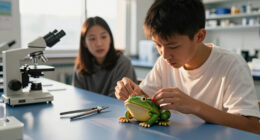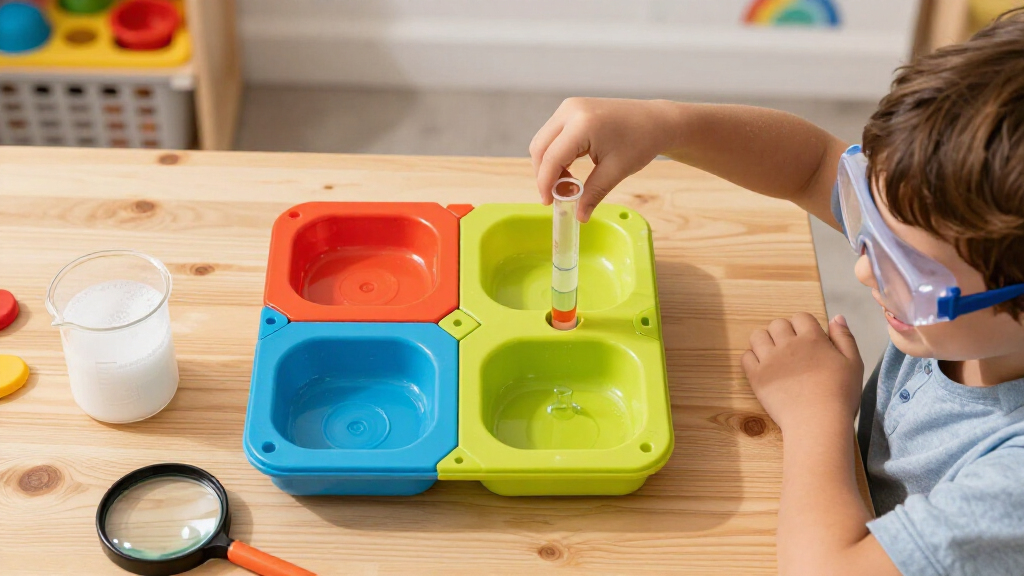

Science experiment kits for kids range from simple kitchen-chemistry sets for preschoolers to 100+ experiment mega labs that keep older kids busy for months. After comparing 15 of the most popular options, the National Geographic Amazing Chemistry Set with 100+ Experiments stands out as the best overall pick for its sheer experiment volume, real lab equipment, and clear instruction manuals. For younger children ages 4 and up, the Doctor Jupiter My First Science Kit is the standout beginner option, while the UNGLINGA 40+ Experiments Kit delivers the best value if you’re on a tight budget. The main tradeoffs in this category come down to age appropriateness versus longevity, experiment count versus quality of materials, and whether you want structured chemistry learning or open-ended gross-out fun. Keep reading for the full breakdown of what each kit does well and where it falls short.

Prime made for students and young adults
- Fast, free delivery for dorm and study essentials
- Prime Video and Amazon Music included
- Member-only deals
Key Takeaways
- National Geographic dominated the top of this comparison: five of the fifteen kits are from the brand, and their higher-priced sets consistently offered better-written instruction manuals and more durable lab tools than the budget alternatives.
- Experiment count is often misleading — kits advertising 100+ experiments frequently count color variations of the same activity as separate experiments, so a well-designed 45-experiment kit can deliver more genuine variety than a padded 150-experiment one.
- Ages 4-8 is the hardest bracket to shop for: the Doctor Jupiter and Melican kits aimed at preschoolers rely heavily on baking-soda-and-vinegar reactions, so parents of curious 7-8 year olds get better value stepping up to an 8+ chemistry set with adult supervision.
- UNGLINGA‘s three kits occupy the budget tier, and the gap between them and National Geographic is mostly in materials and documentation, not in the underlying science — making them a smart choice for gifting or testing a child’s interest before spending more.
- Theme matters as much as specs here: the Gross Science Kit and Science Magic Kit teach similar chemistry as the straight chemistry sets, but framing (disgusting vs. magical) dramatically changes which kids will actually engage with them.
| National Geographic Mega Science Lab with 75 Experiments for Kids 8-12 |  | Best Overall | Brand: Blue Marble / National Geographic | Recommended Age: 8 years and up | Number of Experiments: 75 | VIEW LATEST PRICE | See Our Full Breakdown |
| National Geographic Gross Science Kit with 45 Experiments for Kids 8-12 |  | Best for Reluctant Scientists | Brand: National Geographic | Recommended Age: 8-12 years | Number of Experiments: 45 | VIEW LATEST PRICE | See Our Full Breakdown |
| National Geographic Chemistry Set with 45 Experiments for Kids 8-12 |  | Best Classic Chemistry Introduction | Brand: National Geographic | Recommended Age: 8-12 years | Number of Experiments: 45 | VIEW LATEST PRICE | See Our Full Breakdown |
| Science Kit for Kids – 80 Science Lab Experiments with Scientist Role Play |  | Best Value | Recommended Age: 6+ years | Number of Experiments: 80 | Role Play Gear: Goggles, gloves | VIEW LATEST PRICE | See Our Full Breakdown |
| Doctor Jupiter My First Science Experiments Kit for Kids Ages 4+ |  | Best for Preschoolers | Brand: Doctor Jupiter | Recommended Age: 4+ years | Number of Experiments: 100+ | VIEW LATEST PRICE | See Our Full Breakdown |
| Doctor Jupiter Ultimate Science Experiments Kit for Kids Ages 8+ |  | Best Overall | Brand: Doctor Jupiter | Age Range: 8 years and up | Number of Experiments: 135+ | VIEW LATEST PRICE | See Our Full Breakdown |
| Melican 60+ Science Experiment Kit for Kids Ages 4-8+ |  | Best for Preschool Scientists | Brand: melican | Age Range: 4 years and up | Number of Experiments: 60+ | VIEW LATEST PRICE | See Our Full Breakdown |
| Discovery Planet Earth Science Kit – 65 Experiment STEM Lab for Kids |  | Best Theme Pick: Earth Science | Brand: Discovery Planet | Age Range: 8 years and up | Number of Experiments: 25 hands-on experiments, 40 DIY activities | VIEW LATEST PRICE | See Our Full Breakdown |
| UNGLINGA 40+ Experiments Science Kit for Kids Chemistry Set STEM Toy |  | Best Budget-Friendly Starter | Brand: UNGLINGA | Number of Experiments: 40+ | Focus: Chemistry and STEM activities | VIEW LATEST PRICE | See Our Full Breakdown |
| UNGILINGA 150 Experiments Science Kits for Kids – Chemistry & STEM Learning | 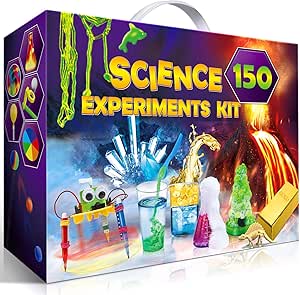 | Best Value Per Experiment | Brand: UNGLINGA | Age Range: 8 years and up | Number of Experiments: 150 | VIEW LATEST PRICE | See Our Full Breakdown |
| National Geographic Science Magic Kit with 100+ Experiments for Kids 8-12 |  | Best for Kids Who Love to Perform | Brand: Blue Marble (National Geographic) | Age Range: 8 years and up | Experiments Included: 20 in box, 85+ in bonus booklet | VIEW LATEST PRICE | See Our Full Breakdown |
| National Geographic Amazing Chemistry Set with 100+ Experiments for Kids Ages 8-12 |  | Best Serious Chemistry Set | Number of Experiments: 100+ | Age Range: 8-12 years | Included Tools: Test tubes, beakers, pipettes | VIEW LATEST PRICE | See Our Full Breakdown |
| Doctor Jupiter My First Science Experiments Kit for Kids Ages 4+ |  | Best for Preschool Scientists | Number of Experiments: 50+ | Recommended Age: 4+ years | Safety Standards: ASTM F963-17 certified | VIEW LATEST PRICE | See Our Full Breakdown |
| National Geographic Junior Chemistry Set with 50 Experiments for Kids |  | Best Bridge to Real Lab Work | Brand: Blue Marble (National Geographic) | Age Range: 4 years and up | Number of Experiments: 50 | VIEW LATEST PRICE | See Our Full Breakdown |
| UNGLINGA 70 Lab Experiments Science Kit for Kids Chemistry Set |  | Best Budget-Friendly All-Rounder | Number of Experiments: 70 | Age Range: Not specified (estimated 6-10) | Educational Focus: Chemistry, STEM, scientific process | VIEW LATEST PRICE | See Our Full Breakdown |
| science experiment kits for kid | Number of Experiments | Brand | Age Range |
|---|---|---|---|
| National Geographic Mega Scien | 75 | Blue Marble / National Geographic | — |
| National Geographic Gross Scie | 45 | National Geographic | — |
| National Geographic Chemistry | 45 | National Geographic | — |
| Science Kit for Kids | 80 | — | — |
| Doctor Jupiter My First Scienc | 100+ | Doctor Jupiter | — |
| Doctor Jupiter Ultimate Scienc | 135+ | Doctor Jupiter | 8 years and up |
| Melican 60+ Science Experiment | 60+ | melican | 4 years and up |
| Discovery Planet Earth Science | 25 hands-on experiments, 40 DIY activities | Discovery Planet | 8 years and up |
| UNGLINGA 40+ Experiments Scien | 40+ | UNGLINGA | — |
| UNGILINGA 150 Experiments Scie | 150 | UNGLINGA | 8 years and up |
| National Geographic Science Ma | — | Blue Marble (National Geographic) | 8 years and up |
| National Geographic Amazing Ch | 100+ | — | 8-12 years |
| Doctor Jupiter My First Scienc | 50+ | — | — |
| National Geographic Junior Che | 50 | Blue Marble (National Geographic) | 4 years and up |
| UNGLINGA 70 Lab Experiments Sc | 70 | — | Not specified (estimated 6-10) |
More Details on Our Top Picks
National Geographic Mega Science Lab with 75 Experiments for Kids 8-12
This bundle earns the top spot because it does something no single kit in this roundup manages: it spans three distinct disciplines — earth science, chemistry, and science magic — without feeling like a random assortment. Compared with the National Geographic Chemistry Set, which stays inside one lane, the Mega Lab gives a curious 8-to-12-year-old room to discover which branch of science actually excites them. The volcano building, crystal growing, and water tornado activities are the kind of repeatable, showable projects that keep a kit in use for months rather than an afternoon. The tradeoff for that breadth is depth: none of the three sub-kits goes as far as a dedicated set would, and a handful of experiments call for household items you may not have on hand.
Pros:- Covers earth science, chemistry, and magic tricks in one purchase, letting kids find their favorite branch
- 75 experiments provide months of weekend activity rather than a single afternoon
- Award-winning kit from a brand with a strong track record in STEM toys
- Mix of buildable projects (volcano, crystals) and quick demos keeps pacing varied
Cons:- Breadth comes at the cost of depth — each discipline gets fewer experiments than a dedicated kit
- Some experiments require common household items not included
- Adult supervision is needed for several activities, so it’s not a solo-play solution
Best for: Parents of 8-12 year olds who want one gift that covers multiple science interests instead of guessing which single-discipline kit will land
Not ideal for: Families who already own a chemistry or earth science kit — there’s meaningful overlap, and the experiments per discipline are shallower than dedicated sets
- Brand:Blue Marble / National Geographic
- Recommended Age:8 years and up
- Number of Experiments:75
- Disciplines Covered:Earth Science, Chemistry, Science Magic
- Included Kits:Earth Science Kit, Chemistry Kit, Science Magic Kit
- Model Number:NGMEGASCIKIT
- Educational Focus:Critical Thinking, Observation, STEM
Our verdict“If you’re buying one science kit for a kid aged 8-12 and want the widest runway for discovery, this is the one to get.”
National Geographic Gross Science Kit with 45 Experiments for Kids 8-12
Not every kid lights up at the word “chemistry,” and that’s exactly the gap this kit fills. Where the Mega Science Lab appeals to kids already curious about science, the Gross Science Kit weaponizes boogers, glowing worms, and other deliberately disgusting experiments to hook children who’d otherwise choose a video game. The illustrated, kid-friendly instructions are among the clearest in the National Geographic lineup, which matters when your goal is independent engagement. The catch is thematic: all 45 experiments live in the gross-out lane, so a child who wants geology or physics will outgrow it faster than the Chemistry Set with 45 Experiments, which covers more conventional ground. And yes — plan for mess. This is a kit for the kitchen table with newspaper, not the living room rug.
Pros:- Gross-out theme is a proven hook for kids who resist traditional STEM toys
- Illustrated, kid-friendly instructions support more independent play
- Bonus experiments using household items extend life beyond the 45 included
- Same trusted National Geographic instructional quality as its sibling kits
Cons:- Single-theme focus means less longevity than multi-discipline kits like the Mega Lab
- Famously messy — requires supervision and a cleanup-tolerant space
Best for: Parents of 8-12 year olds who shrug at conventional science kits but love gross-out humor and hands-on mess
Not ideal for: Tidy households or kids sensitive to slime and mess — the entire premise depends on getting disgusting, and it needs close supervision during cleanup
- Brand:National Geographic
- Recommended Age:8-12 years
- Number of Experiments:45
- Theme:Gross Science
- Includes:Experiment guide, bonus household-item experiments
- Instruction Style:Illustrated, kid-friendly
Our verdict“This is the kit that converts a science skeptic into an experimenter — as long as you can stomach the slime.”
National Geographic Chemistry Set with 45 Experiments for Kids 8-12
This is the straightforward, no-gimmicks option in the National Geographic family, and that’s its strength. Where the Gross Science Kit leans on humor and the Mega Lab spreads across three disciplines, this set delivers the classic chemistry set experience — volcano eruptions, geysers, and rocket launches — that most parents probably picture when they imagine a science kit. Compared with the Science Kit for Kids with 80 Experiments, it offers fewer activities, but the instruction quality and experiment reliability from a major brand mean fewer fizzles and duds, which matters enormously for a child’s first chemistry exposure. The narrow 8-12 age band is honest: younger kids will struggle with the reactions, and older kids may find the demos too scripted. Some experiments also require an adult’s presence for safety.
Pros:- Classic, high-impact experiments (volcanoes, geysers, rockets) with reliable results
- Illustrated instructions from a brand known for dependable experiment design
- Focused chemistry curriculum builds real scientific curiosity rather than novelty
- Amazon-exclusive pricing often makes it cheaper than the Mega Lab
Cons:- Fewer experiments than competing kits at similar prices
- Strict 8-12 age suitability limits its useful window
- Adult supervision required for several reactions
Best for: Kids aged 8-12 getting their first dedicated chemistry set who benefit from polished, reliable instructions over raw experiment count
Not ideal for: Value maximizers counting experiments per dollar — the 80-experiment generic kits undercut it on quantity, and kids under 8 will need to wait
- Brand:National Geographic
- Recommended Age:8-12 years
- Number of Experiments:45
- Discipline:Chemistry
- Availability:Amazon Exclusive
- Signature Experiments:Volcano eruptions, geysers, rocket launches
Our verdict“Pick this for a first chemistry set where dependability matters more than headline experiment counts.”
Science Kit for Kids – 80 Science Lab Experiments with Scientist Role Play
On a cost-per-experiment basis, this kit is hard to beat: 80 experiments plus a full role-play outfit — goggles, gloves, test tubes, petri dishes, measuring cups — for less than the name-brand sets. Compared with the National Geographic Chemistry Set, you’re trading brand-name polish and instructional refinement for sheer quantity and the dress-up element that younger kids adore. The rainbow rain, erupting volcanoes, and rainbow fountain experiments are visually dramatic, and the included safety gear teaches good lab habits from day one. The real tradeoffs are quality control and supervision burden: the chemicals require an adult present, small parts create a genuine choking hazard for any younger siblings nearby, and the instruction translations can be less polished than National Geographic’s guides. It accepts kids as young as 6, but that lowest age is contingent on close adult involvement.
Pros:- 80 experiments deliver the best activity count per dollar in this batch
- Includes real role-play gear (goggles, gloves, lab tools) that extends play beyond experiments
- Accepts kids as young as 6, earlier than most name-brand kits
- Visually dramatic experiments like rainbow fountains land well for demonstrations
Cons:- Generic-brand instructions and materials are less polished than National Geographic alternatives
- Small parts pose a choking hazard around younger siblings
- Chemical experiments require close adult supervision, limiting independent play
Best for: Budget-conscious gift-givers buying for kids 6+ who want maximum experiment count, lab gear, and dress-up play for the money
Not ideal for: Households with toddlers or kids under 6 in the play space — small parts and chemicals make it a real safety concern without strict separation
- Recommended Age:6+ years
- Number of Experiments:80
- Role Play Gear:Goggles, gloves
- Lab Tools Included:Test tubes, petri dishes, measuring cups and spoons, droppers, funnel-type tools
- Materials Included:Chemicals, pigments, effervescent tablets, balloons
- Safety Notice:Small parts — choking hazard for children under 6
Our verdict“The most science you can buy on a tight budget — as long as an adult is actively involved and there are no toddlers underfoot.”
Doctor Jupiter My First Science Experiments Kit for Kids Ages 4+
Most kits in this roundup start at 6 or 8; this one starts at age 4, and that difference shapes everything about it. The experiments rely on food colors, food essences, and simple reactions rather than harsher chemicals, and it meets U.S. safety standards — a meaningful distinction when the user can’t read yet. Compared with the Melican 60+ kit for ages 4-8, Doctor Jupiter’s real beakers, conical flask, and spray bottles feel like proper lab equipment scaled down, which preschoolers notice and love. With over 100 experiments plus a bonus booklet, the quantity is generous, though many are variations on a theme rather than 100 truly distinct activities. Parents should expect to run the sessions themselves — this is guided play, not independent exploration — and some activities still need extra items from the pantry.
Pros:- Lowest entry age in this roundup at 4+, built around food-safe materials
- Includes real scaled lab equipment (beakers, conical flask, tray) that makes little kids feel like scientists
- Over 100 experiments plus a bonus booklet offers strong long-term value
Cons:- Requires a parent to lead nearly every session — this is not independent play
- Many of the 100+ experiments are variations rather than distinct activities
- Some projects need additional household items
Best for: Parents of 4-7 year olds who want a safe, structured introduction to science they can do together on weekend mornings
Not ideal for: Kids 8 and up — the food-coloring-based experiments will feel babyish next to chemistry sets like the National Geographic lineup
- Brand:Doctor Jupiter
- Recommended Age:4+ years
- Number of Experiments:100+
- Equipment Included:2 beakers, conical flask, spatula, stirring sticks, spray bottles, funnel, tray, safety goggles
- Materials Included:Food colors, food essences, food additives, dried leaves
- Extras:Instruction manual and bonus experiment booklet
Our verdict“The right first science kit for the pre-reading crowd, provided a grown-up is ready to be the lab partner.”
Doctor Jupiter Ultimate Science Experiments Kit for Kids Ages 8+
This pick makes the most sense for families who want maximum longevity from a single purchase. With over 135 experiments plus a bonus booklet that leans on household items, it nearly matches the UNGILINGA 150-experiment kit in scope while adding real lab equipment — a measuring cylinder, conical flask, and test tube stand — that makes kids feel like actual scientists rather than box-openers. Compared with the UNGLINGA 40+ set, the tool quality here is a genuine step up, and the illustrated manual means less parental hand-holding between activities. The tradeoff is honest, though: many experiments still send you hunting for vinegar, baking soda, or food coloring, and the 8+ age floor excludes younger siblings who could join the Doctor Jupiter 4+ kit instead.
Pros:- Over 135 experiments plus a bonus booklet stretches value across many months
- Real lab tools like a conical flask and measuring cylinder elevate the experience
- Illustrated instructions let kids work more independently
Cons:- Frequent trips to the pantry for household ingredients not included
- Requires adult supervision for most experiments, limiting solo use
Best for: Parents of kids 8 and up who want a kit that stays interesting for months, not a single weekend
Not ideal for: Households with children under 8 — the age floor is firm and several reactions need close supervision
- Brand:Doctor Jupiter
- Age Range:8 years and up
- Number of Experiments:135+
- Included Tools:Measuring cylinder, conical flask, spatula, stirring sticks, test tube stand, funnel, tray
- Extras:Bonus experiment booklet, soap moulds, food colours, food essence
Our verdict“The most complete package for older elementary kids who want a genuine lab-style experience at home.”
Melican 60+ Science Experiment Kit for Kids Ages 4-8+
Most kits in this roundup draw a hard line at age 8, which leaves the preschool crowd behind. This option stands out for starting at age 4, with gentler activities like dinosaur egg digging and lava lamps that deliver big visual payoffs without complex chemistry. Compared with the UNGLINGA 40+ chemistry set, the experiments here trade depth for spectacle — exactly the right call for a five-year-old who cares more about the eruption than the reaction. The inclusion of safety goggles is a thoughtful touch that also teaches lab habits early. Be realistic about ceiling, though: an eight- or nine-year-old will outgrow these activities quickly, and older kids are better served by the Discovery Planet earth science kit’s more involved builds.
Pros:- Lowest starting age in this lineup, opening the door for preschoolers
- Safety goggles included and sized for young children
- Visual, high-excitement experiments suit short attention spans
- All core materials included in the box
Cons:- Shallow science content — more spectacle than learning for older kids
- Weaker sales rank and brand recognition than Doctor Jupiter or National Geographic alternatives
Best for: Parents of 4-to-6-year-olds who want a first science kit with wow-factor and zero frustration
Not ideal for: Kids over about 7 — the activities are basic and will feel babyish compared with chemistry-focused sets
- Brand:melican
- Age Range:4 years and up
- Number of Experiments:60+
- Includes:All necessary materials, manual, safety goggles
- Signature Activities:Volcanic eruptions, dinosaur egg digging, lava lamps
- Category:Educational Science Kits
Our verdict“The right first kit for little ones who aren’t ready for 8+ chemistry sets but still want to make things erupt.”
Discovery Planet Earth Science Kit – 65 Experiment STEM Lab for Kids
While nearly every other kit here chases chemistry reactions, this one carves out a distinct identity in geology, weather, and paleontology. The 25 hands-on experiments plus 40 DIY activities include growing crystals, excavating fossils from real bricks, and building a tornado connector — projects with a slower, more observational pace than the instant-gratification experiments in the UNGILINGA 150 kit. That pacing is the point: kids who like building and discovering over mixing will stay engaged longer here. The volcano mold and fossil molds are reusable in a way single-use powder packs aren’t. The compromise is breadth — a child craving bubbling beakers and color changes will find fewer of those moments, and several projects still need pantry items and a supervising adult.
Pros:- Unique earth-science focus differentiates it from chemistry-heavy competitors
- Reusable molds and real excavation bricks add lasting play value
- Mix of guided experiments and open-ended DIY activities
- Crystal growing and instant snow projects have strong replay appeal
Cons:- Slower-paced projects may bore kids raised on instant-reaction kits
- Requires household items and consistent adult supervision
Best for: Kids fascinated by rocks, fossils, volcanoes, and weather rather than pure chemistry
Not ideal for: Children who want fast, flashy chemical reactions — this kit rewards patience they may not have
- Brand:Discovery Planet
- Age Range:8 years and up
- Number of Experiments:25 hands-on experiments, 40 DIY activities
- Focus Areas:Volcanoes, fossils, crystals, weather, geology
- Includes:Volcano mold, fossil molds, excavation bricks, tornado connector, crystal grow powder, plaster, instant snow
- Type:STEM lab kit
Our verdict“A smart pick for the young geologist or fossil hunter who finds chemistry kits repetitive.”
UNGLINGA 40+ Experiments Science Kit for Kids Chemistry Set STEM Toy
This model is better suited to buyers testing the waters before committing to a bigger set. At 40+ experiments, it costs meaningfully less than the Doctor Jupiter Ultimate kit’s 135+ while still covering the crowd-pleasers — bouncy balls, lava lamps, and color reactions — with all core materials in the box. Compared with its own sibling, the UNGLINGA 150-experiment kit, this one is the low-risk entry point: if your child does six experiments and moves on, you haven’t sunk much money into it. The tradeoff is ceiling. Older or scientifically hungry kids will exhaust the content in a few weekends, and the instruction depth doesn’t stretch the way Doctor Jupiter’s bonus booklet does. Expect to supply vinegar, oil, and other pantry staples for several activities.
Pros:- Lower price point than larger kits with similar marquee experiments
- Clear, child-friendly instructions reduce frustration
- Bouncy ball and lava lamp projects have strong repeat appeal
- Everything except common household items is included
Cons:- Smallest experiment count in this batch — limited longevity
- Content skews young and won’t challenge curious 10-to-12-year-olds
Best for: Gift-givers and parents who want an affordable way to gauge a child’s interest in science
Not ideal for: Kids who already love science and will burn through 40 experiments in a week
- Brand:UNGLINGA
- Number of Experiments:40+
- Focus:Chemistry and STEM activities
- Includes:All necessary materials (common household items excluded)
- Signature Activities:Bouncy balls, lava lamps
- Type:Educational chemistry set
Our verdict“A sensible low-cost first chemistry set, as long as you accept it’s a sampler rather than a full course.”
UNGILINGA 150 Experiments Science Kits for Kids – Chemistry & STEM Learning
For sheer volume, nothing in this batch matches 150 experiments spanning chemistry, physics, and earth science. This option stands out for keeping a whole rainy season occupied, and its cross-topic spread gives it more variety than the chemistry-only UNGLINGA 40+ kit or even the well-equipped Doctor Jupiter Ultimate set. Kids who flit between interests — volcanoes one week, bouncy balls the next — get everything under one lid. The honest tradeoff is polish: tools are serviceable but not the lab-grade glassware Doctor Jupiter includes, some activities lean heavily on household supplies, and durability of the included materials is a known question mark with a small number of experiments being one-and-done. If quantity is your priority, it wins; if quality per experiment matters more, Doctor Jupiter is the stronger buy.
Pros:- Largest experiment count in this batch at 150 activities
- Spans chemistry, physics, and earth science for variety seekers
- Kid-safe tools and simple instructions keep the barrier low
- Strong fit for siblings sharing one kit across different interests
Cons:- Tool and material durability is inconsistent across the set
- Some experiments are single-use, reducing long-term replay value
Best for: Budget-conscious families who want the most total experiments per dollar for kids 8 and up
Not ideal for: Buyers who prioritize durable, reusable tools — the components are built for volume, not longevity
- Brand:UNGLINGA
- Age Range:8 years and up
- Number of Experiments:150
- Topics Covered:Chemistry, physics, earth sciences
- Includes:Science tools and materials
- Type:Educational science kit
Our verdict“The quantity champion — ideal when variety and value matter more than premium lab equipment.”
National Geographic Science Magic Kit with 100+ Experiments for Kids 8-12
This option stands out for blending science with showmanship — the 20 included magic experiments are designed to be performed for an audience, with a bonus booklet covering 85+ more. Compared with the National Geographic Amazing Chemistry Set, which focuses on classic lab work like test tubes and crystal growth, this kit makes the most sense for kids who want to demonstrate science rather than just study it. The tradeoff is depth: the “wow factor” comes partly from presentation, so a child expecting rigorous chemistry may find some experiments feel more like tricks than labs. A few activities also need extra space or materials beyond the box, which means adult involvement is a prerequisite, not an option. Still, as a gateway into STEM for a theatrical eight-to-twelve-year-old, it’s hard to beat.
Pros:- Over 100 total experiments and tricks provide long-lasting engagement
- Unique magic-performance angle that other science kits lack
- Bonus booklet extends value well beyond the included materials
Cons:- Some experiments require adult supervision and extra materials
- Magic emphasis makes the science shallower than dedicated chemistry sets
- Single-box format means consumables run out over time
Best for: Outgoing kids ages 8-12 who enjoy performing for family and friends while learning the science behind the trick
Not ideal for: Parents wanting a pure lab-experience kit — the magic framing dilutes the chemistry focus compared to a dedicated chemistry set
- Brand:Blue Marble (National Geographic)
- Age Range:8 years and up
- Experiments Included:20 in box, 85+ in bonus booklet
- Model Number:NGMEGAMAGIC
- Manufacturer:JMW Sales, Inc.
Our verdict“Buy this for a budding showman who wants science with a stage — skip it if your child wants a serious lab bench experience.”
National Geographic Amazing Chemistry Set with 100+ Experiments for Kids Ages 8-12
Among the chemistry-focused options in this lineup, this set earns the top spot for real lab equipment — test tubes, beakers, and pipettes that let kids feel like actual scientists rather than spectators. Where the UNGLINGA 70 Lab Experiments Kit relies on generic activity combinations, this one delivers genuinely striking chemistry: color-changing solutions, glowing test tubes, and crystal growth, plus a bonus guide with 85 experiments using household items. The award recognition and brand reputation add confidence that instructions and safety guidance are solid. The honest tradeoffs: younger children will need close supervision since this sits squarely in the 8-12 range, and some experiments depend on household items you may not have on hand — a quick pantry check before gifting saves disappointment. Compared with the Junior Chemistry Set, this is the clear upgrade for kids ready for real reactions.
Pros:- Real scientific tools (test tubes, beakers, pipettes) teach proper lab technique
- 100+ experiments plus 85 bonus activities deliver exceptional content volume
- Award-winning with visually dramatic results like glowing solutions
- Bonus guide stretches the kit using common household items
Cons:- Requires adult supervision for younger children in the age range
- Some experiments need household items not included in the box
- Narrow 8-12 age window limits how long younger siblings can share it
Best for: Kids ages 8-12 who are genuinely curious about chemistry and ready for real lab tools and more complex reactions
Not ideal for: Preschoolers or early elementary kids — the reactions and tools are pitched above their level, making the Junior Chemistry Set the better fit
- Number of Experiments:100+
- Age Range:8-12 years
- Included Tools:Test tubes, beakers, pipettes
- Bonus Experiments:85 using household items
- Focus:Hands-on chemistry and STEM
- Recognition:Award-winning product
Our verdict“The most legitimate chemistry experience in the roundup — buy it for an 8-12 year old who wants to feel like a real scientist.”
Doctor Jupiter My First Science Experiments Kit for Kids Ages 4+
This kit makes the most sense for the youngest scientists in the house, starting at age 4 with 50+ tactile, low-stakes experiments like dinosaur squishies and volcano building. Compared with the National Geographic Junior Chemistry Set, which also targets the 4+ crowd, Doctor Jupiter leans into variety and sensory play over formal lab tools — a better fit for short attention spans and small hands. The ASTM F963-17 safety certification is a meaningful differentiator here, since preschool kits live or die on material quality, and the illustrated instructions are written so early readers can follow along with a parent. The tradeoff: simplicity is the point, so an eight-year-old will outgrow it quickly. Some experiments also call for household items and adult help, so this is not an independent-play solution despite the screen-free marketing.
Pros:- 50+ experiments offer unusual variety for a preschool-aged kit
- ASTM F963-17 safety certification provides real peace of mind
- Well-illustrated instructions suit pre-readers working with a parent
- Sensory, tactile projects matched to how young kids actually learn
Cons:- Requires adult supervision for several experiments
- Quickly outgrown by children past early elementary age
- Some experiments need additional household items
Best for: Parents and grandparents of 4-6 year olds who want safe, supervised, screen-free STEM activities with real variety
Not ideal for: Kids 7 and up — the experiments are deliberately simple, and the Amazing Chemistry Set or Magic Kit will hold their interest far longer
- Number of Experiments:50+
- Recommended Age:4+ years
- Safety Standards:ASTM F963-17 certified
- Key Activities:Volcanoes, dinosaur squishies, perfume-making
- Focus:STEM fundamentals and critical thinking
- Instructions:Illustrated, easy to follow
Our verdict“The strongest choice for a first science kit at ages 4-6, provided an adult is willing to participate.”
National Geographic Junior Chemistry Set with 50 Experiments for Kids
This set occupies a smart middle ground: it targets ages 4 and up like the Doctor Jupiter kit, but it includes over 20 actual lab tools — test tubes, goggles, and child-safe instruments — that prepare young kids for more serious sets later. The tradeoff is ceiling. Because it relies on basic household chemicals, the range of reactions is narrower than what the National Geographic Amazing Chemistry Set offers, and older or science-obsessed kids will find the 50 experiments predictable rather than exciting. It’s also the priciest way to do simple experiments, so budget-focused buyers may prefer the UNGLINGA alternatives.
Pros:- 20+ real, child-safe lab tools including goggles teach proper lab habits
- 50 experiments well-matched to early elementary abilities
- Clear illustrated instructions that young kids can follow
Cons:- Reliance on household chemicals limits the variety of experiments
- Too simple for older or advanced kids in the household
- Less experiment variety per dollar than competing kits
Best for: Families with 4-7 year olds who want proper lab equipment and safety habits established early, with trusted brand instructions
Not ideal for: Kids 8 and up or already science-obsessed children — the household-chemical experiments will feel too elementary within a few sessions
- Brand:Blue Marble (National Geographic)
- Age Range:4 years and up
- Number of Experiments:50
- Lab Tools Included:20+ including test tubes and goggles
- Model Number:NGJRCHEMT
Our verdict“A great first "real" chemistry set for young kids, provided parents accept it will be outgrown by age 8 or so.”
UNGLINGA 70 Lab Experiments Science Kit for Kids Chemistry Set
For buyers who want maximum experiments per dollar, this UNGLINGA set delivers 70 activities — volcano eruptions, crystal growing, balloon rockets — at a price typically well below the National Geographic options. Compared with the National Geographic Amazing Chemistry Set, the tradeoff is polish: no brand-name pedigree, no dedicated lab glassware, and a vaguer sense of what’s actually in the box. The child-friendly ingredients and clear instructions earn it a legitimate place in this lineup, especially for gifting situations or households where the kit might not become a long-term obsession. The unspecified age range is the biggest practical problem — without a manufacturer recommendation, parents have to judge suitability themselves, generally landing around 6-10. If you want a low-risk introduction to see whether your child even likes chemistry, this is the sensible first purchase.
Pros:- 70 experiments represent strong value versus name-brand rivals
- Safe, child-friendly ingredients suitable for supervised play
- Clear instructions include educational context for each activity
- Wide activity mix from crystals to rockets keeps interest varied
Cons:- No specified age range, leaving suitability judgment to parents
- Sparse documentation of included tools and ingredients
- Lacks the lab equipment and brand support of National Geographic sets
Best for: Budget-conscious parents and gift-givers who want a large experiment count at a lower price to test a child’s interest in chemistry
Not ideal for: Buyers who value clear age guidance and detailed contents lists — the vague labeling makes it a gamble for very young or sensitive kids
- Number of Experiments:70
- Age Range:Not specified (estimated 6-10)
- Educational Focus:Chemistry, STEM, scientific process
- Safety:Child-friendly ingredients
- Key Activities:Volcano eruptions, crystal growing, balloon rockets
- Instructions:Easy-to-follow with educational insights
Our verdict“A smart, low-cost way to gauge a child’s chemistry interest before investing in a premium set.”

How We Picked
I evaluated each kit against four main criteria, weighted by what actually determines satisfaction for families. Experiment quality and variety came first — I looked at whether the advertised count reflected genuinely distinct activities or repeated variations, and whether the experiments produced visible, satisfying results rather than faint fizzles. Instruction clarity was second, because a kit with confusing manuals ends up abandoned in a closet regardless of how many experiments it claims; National Geographic’s illustrated guides consistently outperformed generic inserts in this respect.
Materials and safety formed the third criterion — real lab tools like test tubes, stands, and measuring cups justify higher prices, while sets relying on household pantry staples were judged accordingly. Finally, I weighed age fit and value per experiment: a kit that matches a child’s developmental stage beats a cheaper one they’ll outgrow in a weekend. Ranking favored kits that balance longevity, replay value, and honest experiment counts, which is why the larger National Geographic sets rose to the top while padded 150-experiment budget kits ranked lower than their headline numbers suggest.
Factors to Consider When Choosing Science Experiment Kits For Kids
Before choosing a kit, it helps to understand what actually separates a great science gift from a disappointing one. These are the factors I weighed during this comparison, along with mistakes I saw repeated across the category.Match the Age Range Honestly, Not Optimistically
The single biggest mistake parents make is buying a kit for the age they want their child to be rather than the age they are. An 8+ chemistry set handed to a 6-year-old usually means the parent ends up doing the experiment while the child watches, which defeats the purpose of independent discovery. Conversely, a preschool kit given to a 9-year-old gets dismissed as babyish within minutes, no matter how sound the science is. Age ratings on these kits generally reflect dexterity requirements, reading level of the instructions, and safety supervision needs rather than intelligence, so treat them as firm guidelines. If your child sits at the boundary between two kits from the same brand, the older kit with adult help almost always lasts longer than the younger kit used solo. The one exception is children with sensory sensitivities around mess, for whom the simpler kits remain the better call regardless of age.
Decode the Experiment Count Before Comparing Prices
Manufacturers know that parents compare numbers, so a 150-experiment kit often contains 20 core activities multiplied by color, size, or ingredient variations. This is the most common pricing trap in the category: paying 40% more for triple the advertised count rarely delivers triple the experience. Read the experiment descriptions or reviews to see whether the count reflects distinct scientific principles or repeated versions of the same reaction. A well-sequenced 45-experiment kit that builds concepts progressively teaches more than a 150-experiment kit of randomized fizzing demonstrations. As a rule of thumb, divide the price by the number of genuinely distinct experiments rather than the advertised count, and the value rankings between brands shift considerably. Also check how many experiments require household supplies not included in the box, since hidden shopping trips erode both value and enthusiasm.
Decide Between Structured Chemistry and Themed Engagement
Kits in this roundup split into two philosophies: straight chemistry sets that mimic a school lab, and themed sets built around gross-out or magic framing. Neither approach is objectively better, but they suit different children. A kid who asks why questions and enjoys following procedures will get more from a structured set with real lab equipment, while a kid who needs a hook to sit down at the table will engage faster with a kit that frames the same reactions as slime, snot, or a magic trick. The science underneath is often identical — color-changing pH reactions appear in chemistry sets, gross kits, and magic kits alike. The mistake to avoid is assuming the serious-looking set is automatically more educational; engagement drives learning more than lab aesthetics do. If you’re unsure which way your child leans, themed kits are the safer first purchase because they win over both audiences more often than formal sets win over reluctant scientists.
Budget for the Total Cost, Including Refills and Pantry Items
The sticker price is only part of the real cost. Many kits exhaust their included consumables — citric acid, color tablets, baking soda — after a fraction of the experiments, and refill packs or replacement chemicals can add 20-30% to the total spend. Before buying, check whether the brand sells refills at all; smaller brands like UNGLINGA and Melican often don’t, which means the kit has a hard end date once supplies run out. National Geographic’s refill availability is one reason its higher price often works out cheaper over a year of use. Also inventory your pantry against the kit’s supply list, since a kit leaning on household ingredients costs less to keep running but requires more planning per session. The best approach for budgeting is to estimate cost per month of active use, not cost per box, especially for a child who will repeat favorite experiments repeatedly.
Prepare for the Supervision Reality
No kit in this roundup is truly hands-off for parents, and the ones marketed as independent activities still involve setup, cleanup, and at least occasional guidance. The realistic distinction is between kits where a parent can be in the room reading a book, and kits where a parent is actively assisting with every step. Younger kits like Doctor Jupiter’s preschool set lean toward co-play by design, which can be a feature if you want shared activity time, but a frustration if you bought it hoping for occupied afternoons. Older chemistry sets with real tools demand more involvement during setup but increasingly reward kids with independence as they learn the routines. Check the mess factor too: volcano and slime experiments are the most requested and the hardest to clean, so a tray, old clothes, and an outdoor option will save more headaches than any product choice. Setting expectations about your own involvement before buying prevents the most common disappointment in this category.
Gift Buyers Should Optimize Differently Than Parents
If you’re buying a birthday or holiday gift rather than a kit for your own child, the calculus changes. You don’t know the child’s exact interests, so themed kits with broad appeal — gross science and magic framing being the two safest hooks — outperform specialized chemistry sets you can’t verify will land. Mid-priced options around the $30-40 range hit the sweet spot of impressive-looking packaging and dependable content without the risk of an expensive miss. Avoid the largest mega kits as gifts unless you know the child is already science-obsessed, since overwhelming boxes sometimes stay unopened after the first messy session. Gift buyers should also favor kits with clearly self-contained supplies, because parents won’t appreciate a present that immediately requires a hardware-store run. The UNGLINGA and Discovery Planet kits punch above their price for gifting precisely because they look substantial, work out of the box, and don’t demand a big parental time investment to justify.
Frequently Asked Questions
Are science experiment kits safe for kids to use without supervision?
Every kit in this roundup is designed with child-safe, non-toxic chemicals — most rely on citric acid, baking soda, and food-grade dyes rather than genuinely hazardous substances. That said, none are truly supervision-free, and the age ratings reflect that reality. Kids under 8 generally need an adult to handle measuring, pouring, and heating steps, while older children can work semi-independently once a parent has demonstrated the setup routine. The bigger risks are usually messes, spills, and frustrated quitting rather than injury, but eye contact with powders and accidental ingestion still warrant basic oversight. If fully independent play is the goal, look at kits for ages 8+ with simple step-by-step illustrated manuals, like the National Geographic sets, which are written to be followed without adult interpretation.
What happens when the included chemicals run out — can kits be reused?
It varies a lot by brand, and this is worth checking before you buy. National Geographic sells refill packs for most of its chemistry and science kits, which extends the life of the lab equipment considerably. Doctor Jupiter and UNGLINGA kits generally can’t be refilled with branded supplies, but since most of their experiments use pantry staples like vinegar, baking soda, and dish soap, you can often keep running them with a grocery run. The durable components — test tubes, stands, magnifiers, volcano molds — last indefinitely and can be paired with free experiment ideas online once the official supplies are exhausted. Realistically, most families get several months of regular use before consumables become the limiting factor. Buying one extra set of common ingredients alongside the kit is a cheap way to avoid the mid-experiment dead end that kills momentum.
Is a bigger experiment count actually better for my child?
Not usually, and this comparison made that pattern very clear. Kits advertising 100 to 150 experiments frequently count variations of a single activity — the same color-changing reaction with three different dyes counts as three experiments. A carefully designed 45-experiment kit often covers more distinct scientific concepts than a padded 150-experiment box. Bigger counts do help in one respect: they increase the odds a child finds several experiments they love enough to repeat, which is where real learning happens. For younger kids especially, 30-50 well-explained experiments beat an overwhelming manual of 150 near-identical activities. Read a handful of the actual experiment descriptions rather than trusting the front-of-box number, and you’ll quickly spot which kits are padded and which are genuinely varied.
My child is 6 or 7 — should I buy a preschool kit or an 8+ chemistry set?
This is the most common gap in the category, and my advice depends on your child’s reading level and frustration tolerance. A curious 7-year-old who follows multi-step instructions well will outgrow a 4+ kit within weeks, because those kits lean almost entirely on baking-soda reactions and color mixing. In that case, an 8+ set like the National Geographic Chemistry Set used with parental help offers far more longevity — you simply trade some independence for better content. If your 6-year-old is still developing fine motor skills or loses interest after ten minutes, the Doctor Jupiter or Melican preschool kits are the right call, since success and enthusiasm matter more at that age than scientific depth. A reasonable middle path is starting with one well-made younger kit, then graduating within six months if your child is breezing through it. Avoid buying both at once, though; two kits competing for attention usually means neither gets finished.
Which kit is best if my child says science is boring?
For reluctant scientists, framing beats content, and two kits in this roundup are built exactly for that problem. The National Geographic Gross Science Kit hooks kids with slime, snot, and bubbling ‘digestion’ experiments, while the Science Magic Kit presents identical chemistry as mind-reading tricks and color-changing illusions to perform for the family. Both teach the same reactions you’d find in a formal chemistry set — pH indicators, polymer science, acid-base reactions — but the payoff is a reaction from an audience rather than a data point. The key is letting the child be the performer or the gross-out expert rather than the student, which reframes the whole activity. Start with one themed kit; if the hook works, you can graduate to a straight chemistry set later with the interest already established. What tends not to work is buying the most serious-looking lab set and hoping the equipment itself creates enthusiasm.
Conclusion
After comparing all fifteen kits, the right choice depends less on which box is objectively best and more on who’s opening it. Best overall goes to the National Geographic Amazing Chemistry Set with 100+ Experiments, which balances experiment volume, real lab equipment, and superior instruction manuals — the kit most likely to still be in use six months from now. Best premium is the National Geographic Mega Science Lab, whose 75 experiments span chemistry, earth science, and beyond, making it the strongest pick for a child with broad curiosity and a bigger budget.
Best value belongs to the UNGLINGA 40+ Experiments Kit, which delivers genuine chemistry fun at a price that makes sense for gifts or first-time buyers, even if the materials feel cheaper than National Geographic’s. Best for beginners is the Doctor Jupiter My First Science Kit for ages 4+, the most age-appropriate preschool option in the lineup. For specific needs: choose the Gross Science Kit for kids who love disgusting things, the Science Magic Kit for performers, and the Melican kit for the tightest budgets with younger children. Whatever you pick, set aside time for that first session together — the kit only works as well as the enthusiasm around the kitchen table.
Columbus Day / Indigenous Peoples' Day Picks
long weekend sales
As an affiliate, we earn on qualifying purchases.