
TL;DR
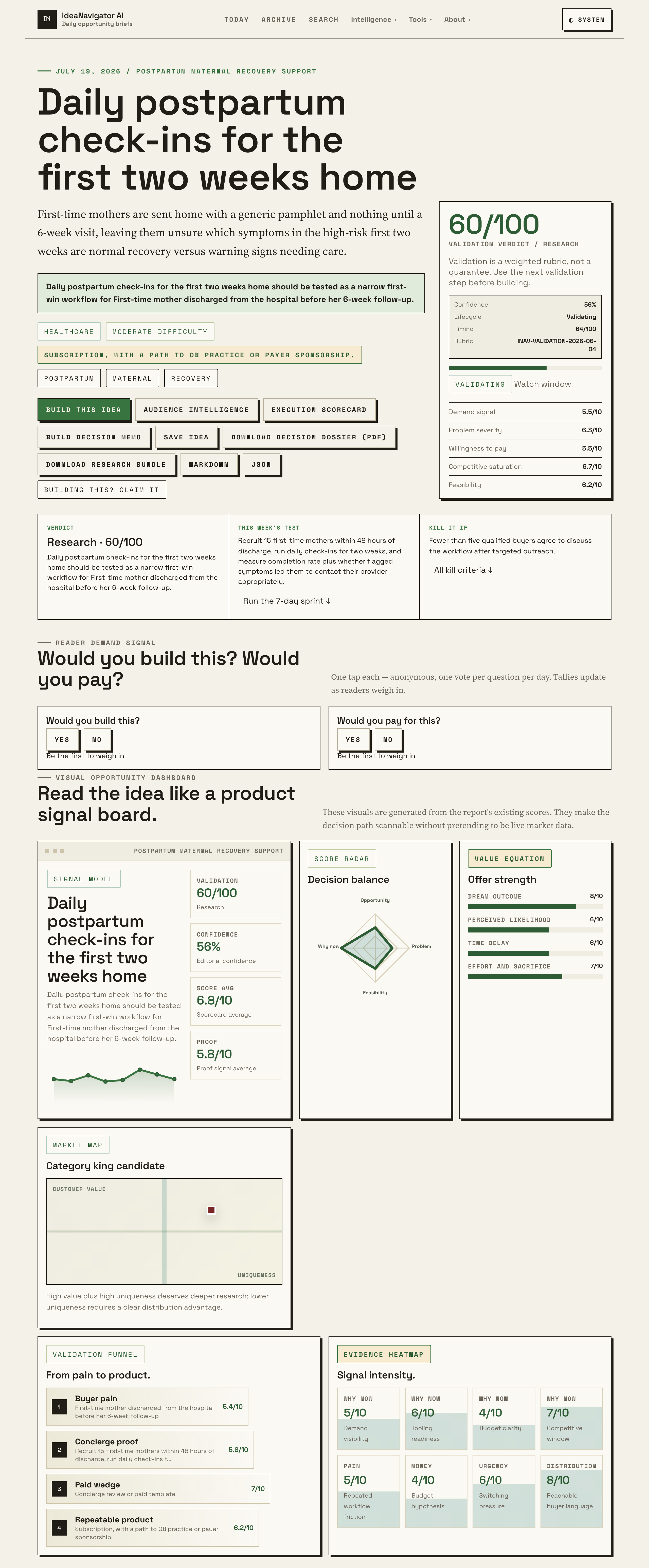
A new initiative proposes daily postpartum check-ins for first-time mothers discharged early. This approach aims to identify complications sooner and support faster recovery, with ongoing validation efforts.
Preliminary testing of daily postpartum check-ins for first-time mothers discharged early suggests that this approach could help detect complications sooner and support faster maternal recovery. The initiative is currently in the pilot phase, with ongoing recruitment and data collection.

Prime made for students and young adults
- Fast, free delivery for dorm and study essentials
- Prime Video and Amazon Music included
- Member-only deals
Health innovators are exploring whether daily check-ins during the first two weeks after discharge can fill a critical gap in postpartum care. Traditionally, first-time mothers often leave the hospital with minimal guidance until their six-week follow-up, leaving many unsure about which symptoms warrant concern.
The proposed model involves an onboarding process that creates a personalized recovery profile based on delivery details, feeding method, and mental health baseline. Then, through a smartphone app, mothers receive daily targeted check-ins that surface tailored recovery tips and prompt contact with healthcare providers if certain symptoms are flagged.
Initial plans involve recruiting 15 first-time mothers within 48 hours of discharge to test the feasibility, engagement, and impact of this approach. The goal is to measure whether daily check-ins increase appropriate contact with healthcare providers and improve recovery outcomes, with potential for subscription-based monetization and integration into obstetric practices or insurance coverage.
Potential Impact on Postpartum Maternal Care
If validated, daily postpartum check-ins could significantly reduce maternal health risks by enabling earlier detection of complications such as infections, bleeding, or mental health issues. This targeted approach could also decrease unnecessary emergency visits and improve overall maternal well-being during a vulnerable period.
Given the rising awareness of postpartum health gaps and the widespread use of smartphones, this method offers a scalable, personalized solution that aligns with current healthcare priorities. It may also influence future standards for postpartum care, especially for first-time mothers discharged early.
Popular right now

iRobot Roomba 415X Robot Vacuum & Mop Combo

Vitamix 5200 Professional-Grade Blender, 64 oz. Container, Black

Bose QuietComfort Ultra Headphones (2nd Gen), Wireless Noise Cancelling Over-Ear Headphones, Driftwood Sand
As an affiliate, we earn on qualifying purchases.
Current Postpartum Care Practices and Gaps
Most first-time mothers are discharged within 48 hours post-delivery, often receiving only a pamphlet with general advice until their six-week follow-up. This period is high-risk for complications, yet the healthcare system lacks structured, frequent contact during these critical two weeks.
Recent maternal health campaigns have highlighted the dangers of this gap, emphasizing the need for more continuous, personalized support. Smartphone-based interventions are increasingly seen as a feasible way to bridge this gap, especially as telehealth expands.
“Daily check-ins could revolutionize postpartum care by catching issues early and providing tailored support during the most critical recovery window.”
— an anonymous researcher
Uncertainties About Effectiveness and Scalability
It is not yet clear whether daily postpartum check-ins will significantly improve health outcomes or reduce complications across diverse populations. The pilot study is ongoing, and results are pending. Additionally, questions remain about the cost-effectiveness, user engagement, and integration into existing healthcare systems.
Next Steps in Validation and Implementation
The ongoing pilot will evaluate engagement rates, symptom reporting accuracy, and healthcare utilization. If successful, larger studies and randomized trials will be needed to confirm efficacy. Developers also plan to explore subscription models and partnerships with obstetric practices or insurance providers to scale this solution.
Key Questions
How soon after discharge would mothers start daily check-ins?
The pilot recruits mothers within 48 hours of discharge, with daily check-ins continuing for the first two weeks postpartum.
What symptoms would trigger a contact with a healthcare provider?
The app is designed to flag symptoms such as excessive bleeding, fever, signs of infection, or mental health concerns, prompting mothers to seek care.
Is this approach suitable for all mothers?
The current focus is on first-time mothers discharged early; further research is needed to determine its applicability to other groups or those with high-risk pregnancies.
How will privacy and data security be handled?
Data privacy measures will comply with healthcare regulations, with secure encryption and informed consent processes in place.
Could this replace in-person postpartum visits?
It is unlikely to replace in-person visits entirely but could complement traditional care by providing ongoing support during the critical early weeks.
Source: IdeaNavigator AI