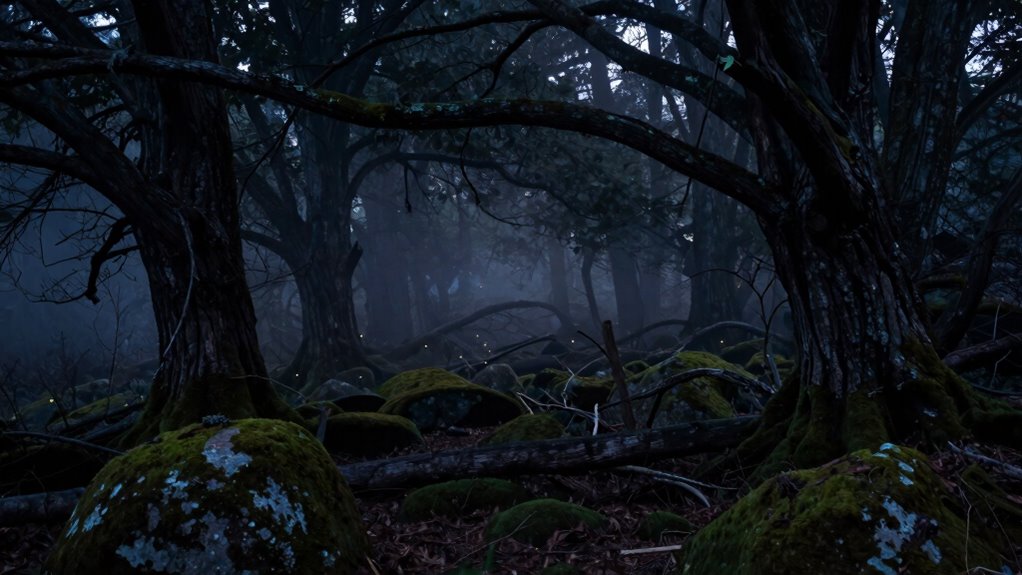

Many mysteries seem larger than they really are because storytelling, culture, and history often exaggerate their importance. Your imagination fuels grand conspiracies and legends, making them feel more profound. Media and myths distort facts over time, adding drama and heightening fears. Cultural beliefs shape how you interpret these puzzles, amplifying their impact. If you keep exploring, you’ll uncover how these influences shape the way mysteries are perceived and why they often feel bigger than life.
Key Takeaways
- Imagination and storytelling amplify mysteries, adding drama and exaggeration to their perceived size.
- Historical distance and myths distort facts, making mysteries seem more complex and profound over time.
- Cultural narratives and folklore interpret mysteries through local beliefs, increasing their mystique and significance.
- Collective fears and societal values heighten the importance of certain mysteries, making them seem more threatening.
- Perception is shaped by storytelling and cultural influences, and critical thinking can help avoid overestimating their true scale.

Many mysteries seem larger than life, fueled by our imaginations and the stories we tell ourselves. When you encounter an unsolved puzzle, it’s easy to imagine it as more complex or unbelievable than it truly is. This tendency often stems from the way history and culture shape our perception of these enigmas. For example, a mystery from centuries ago can feel more significant because of its historical context; the distance in time makes it seem more profound or more riddled with secrets than it might actually be. You might picture ancient civilizations hiding hidden truths, but many of these stories are often exaggerated or distorted through retellings. Cultural influences play a huge role here, too. Different societies have their own narratives, beliefs, and myths that color how they interpret mysteries. For instance, a legend rooted in folklore might be seen as more mystical or sinister simply because of the cultural lens through which it’s viewed.
This cultural backdrop can inflate the perceived importance of a mystery, making it seem like a puzzle that could shake the foundations of history or challenge what you think you know about the world. When a mystery taps into collective fears or values, it naturally feels more significant. You might notice how media, movies, and books tend to amplify these stories, adding layers of drama that weren’t part of the original events. They often cast mysteries as grand conspiracies or hidden truths, which boosts their size in your mind. The stories become larger than life because they’re filtered through cultural storytelling traditions that emphasize drama, danger, or divine secrets. Moreover, the passage of time adds to the mystique. As stories age, details get lost or altered, and the mystery itself can almost become a symbol of the past’s unknowns. Historical distortions can further magnify these puzzles, making them seem more complex or significant than they really are. You might think of these mysteries as bigger because they’re embedded in a historical narrative that’s been shaped by legends and myths. Additionally, the way myths and legends are passed down can distort the factual basis of these mysteries, making them seem more monumental than they probably are. The influence of cultural storytelling plays a crucial role in shaping how these mysteries are perceived and understood over generations. In the end, it’s our collective imagination, shaped by history and culture, that inflates these mysteries, making them feel far more monumental than they probably are. Recognizing how perceptions are influenced by these factors can help us approach mysteries with a more critical and balanced perspective.
As an affiliate, we earn on qualifying purchases.
Frequently Asked Questions
How Do Media Influences Amplify Certain Mysteries?
Media sensationalism amplifies certain mysteries by highlighting dramatic details and creating intrigue, fueling public fascination. When the media emphasizes suspense or ambiguity, it makes these mysteries seem bigger and more complex than they truly are. This effect draws more attention, keeps audiences hooked, and often spreads misinformation. As a result, the perceived importance of these mysteries grows, making them seem even more mysterious and enthralling than they genuinely are.
Why Do Some Mysteries Remain Unsolved for Decades?
Some mysteries linger for decades because history often shrouds them in shadows, making their true story harder to uncover. You’re drawn in, imagining secrets hidden deep within time. Scientific explanations sometimes fall short, leaving questions unanswered. The historical context can obscure facts, and lack of evidence keeps the mystery alive. This tangled web of uncertainty keeps you curious, proving that sometimes, the truth remains just out of reach, waiting to be uncovered.
Can Psychological Factors Distort Our Perception of Mystery Significance?
Yes, psychological factors like perception distortion and cognitive biases can make mysteries seem bigger than they are. You might see patterns or significance where none exist, or focus intensely on confusing details, amplifying their importance. Your mind’s natural tendencies, such as confirmation bias or the availability heuristic, can distort your perception, leading you to believe a mystery is more profound or unresolved than it truly is.
How Does Cultural Context Shape Our View of Mysteries?
You see, cultural context shapes how you view mysteries through cultural narratives and historical perceptions. These stories and beliefs influence what you find intriguing or suspicious, often amplifying mysteries beyond their true importance. If your culture venerates certain legends or emphasizes historical enigmas, you’ll naturally perceive these mysteries as more significant. This lens filters your perception, making some mysteries seem larger or more profound than they might actually be.
What Role Does Confirmation Bias Play in Mystery Perception?
Confirmation bias profoundly influences how you perceive mysteries, as it leads you to favor evidence that supports your existing beliefs. This cognitive distortion makes mysteries seem bigger because you remember details that confirm your suspicions while ignoring contradicting facts. Memory biases also play a role, causing you to recall certain events more vividly, which amplifies your perception of the mystery’s importance and complexity, ultimately making it feel more significant than it truly is.
As an affiliate, we earn on qualifying purchases.
Conclusion
So, next time a mystery feels overwhelming, consider the possibility that your mind’s tendency to amplify the unknown is at play. Maybe it’s not as big or frightening as it seems. Some theories suggest that our brains fill in gaps with drama, making things appear more mysterious than they truly are. By questioning these perceptions, you might find that the truth is often simpler—and less terrifying—than your imagination suggests.
As an affiliate, we earn on qualifying purchases.
As an affiliate, we earn on qualifying purchases.