

Cyberattacks often begin with one small human mistake because hackers exploit common vulnerabilities like clicking phishing links, using weak passwords, or sharing sensitive info. These tiny errors bypass technical defenses and can be easily overlooked, making them an open door for attackers. Because humans are unpredictable and mistakes are hard to prevent entirely, a single lapse can lead to a major breach. Staying aware and cautious helps protect you—and more insights await if you keep exploring.

Prime made for students and young adults
- Fast, free delivery for dorm and study essentials
- Prime Video and Amazon Music included
- Member-only deals
Key Takeaways
- Small human errors, like clicking phishing links, can grant attackers initial access to secure systems.
- Social engineering exploits human psychology, turning minor lapses into entry points for cyberattacks.
- Human mistakes bypass technical defenses, making them a common starting point for breaches.
- Lack of awareness or vigilance transforms simple errors into significant security vulnerabilities.
- Regular training and cautious behavior reduce the likelihood of small mistakes leading to large breaches.
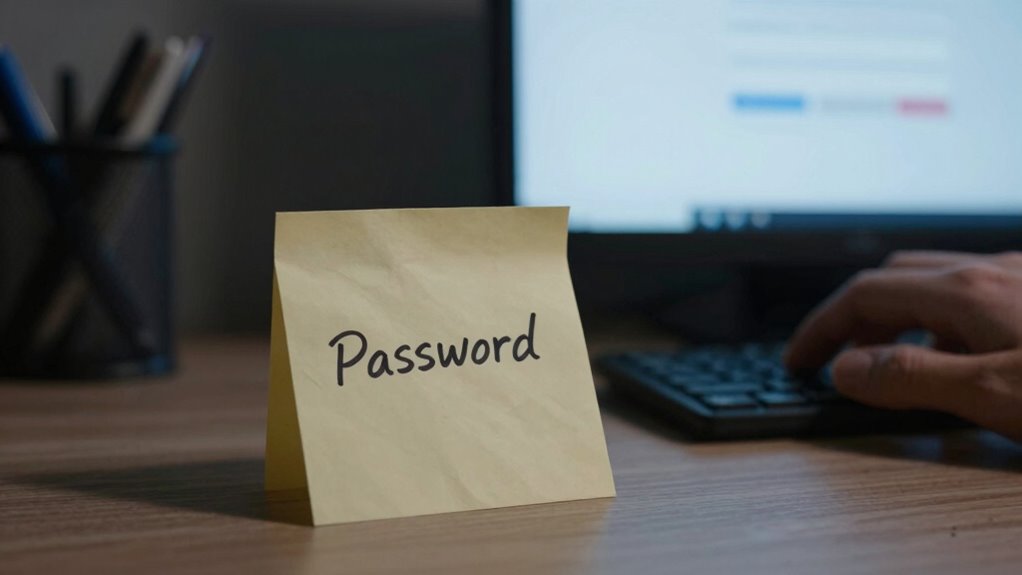
Have you ever wondered how a tiny human mistake can lead to a major cyberattack? It’s often the smallest errors that open the door for hackers, and understanding why is key to protecting yourself and your organization. Insider threats, for example, aren’t always malicious; sometimes, employees or trusted partners unintentionally create vulnerabilities. A simple click on a phishing email, a weak password, or sharing sensitive information without realizing the risk can be enough for an attacker to gain access. These insiders might not even know they’re helping cybercriminals, but their actions can have devastating consequences. It’s vital to recognize that insider threats aren’t just about malicious intent—they often stem from human error or lack of awareness.
Small human mistakes, like clicking a link or sharing passwords, can lead to major cyberattacks—awareness is your best defense.
Social engineering plays a prominent role in turning these small mistakes into big problems. Hackers excel at manipulating people into giving away confidential information, often by pretending to be someone trustworthy. They exploit human psychology—fear, curiosity, or the desire to be helpful—to trick you into revealing passwords, clicking malicious links, or opening infected attachments. For example, you might receive an email that appears to be from your boss, requesting urgent login information. If you don’t scrutinize it carefully or are in a hurry, you might fall for the scam. This is classic social engineering in action, where a simple lapse in judgment allows an attacker to bypass technical defenses. Understanding cybersecurity vulnerabilities and how human error contributes to them is crucial in developing effective prevention strategies. Being aware of common cyber threats can also help you recognize signs of an ongoing or potential attack early.
What makes these human mistakes so dangerous is that they’re often unpredictable and difficult to prevent entirely. No matter how sophisticated your cybersecurity tools are, human error remains a weak link. Training and awareness are your best defenses. When you’re aware of common social engineering tactics, you’re less likely to fall prey to them. You learn to verify requests, scrutinize unfamiliar emails, and avoid sharing sensitive information without proper authorization. It’s also important to foster a culture where employees feel comfortable reporting suspicious activity without fear of reprimand, so potential threats can be caught early. Recognizing the human factor involved in cybersecurity breaches can help organizations implement targeted solutions to mitigate these risks. Regular training sessions and simulated phishing exercises can reinforce good security habits and reduce the likelihood of human mistakes. Additionally, understanding digital security best practices can empower individuals to make smarter choices and strengthen overall defenses. Furthermore, implementing security awareness programs tailored to your organization’s specific needs can significantly reduce human vulnerabilities.
Ultimately, it’s about understanding that cyberattacks often start with a tiny human mistake—something as simple as clicking a link or sharing a password. Recognizing the power of insider threats and the tactics used in social engineering helps you stay vigilant. You must be cautious, question suspicious requests, and stay informed about new scams. The tiniest mistake can have enormous consequences, but with awareness and careful behavior, you can markedly reduce your risk of becoming an unwitting accomplice in a cyberattack.
Popular right now

Breville Bambino Espresso Machine, Brushed Stainless Steel

De'Longhi Dinamica Plus Fully Automatic Espresso Machine

Dyson Big Ball Multi Floor Canister Vacuum, Yellow
As an affiliate, we earn on qualifying purchases.
Frequently Asked Questions
How Can Organizations Prevent Human Errors in Cybersecurity?
You can prevent human errors in cybersecurity by fostering employee accountability and enforcing clear cybersecurity policies. Regular training helps employees recognize potential threats, while strict policies guide their actions. Encourage a culture of responsibility where staff feel accountable for security. Additionally, implement automated systems that detect and stop mistakes, reducing vulnerabilities. Consistent communication and updates ensure everyone stays aware, minimizing risks associated with human error.
What Are Common Human Mistakes That Lead to Cyberattacks?
Many human mistakes, like falling for phishing susceptibility or succumbing to password complacency, trigger cyberattacks. You might click on a convincing but malicious link or reuse weak passwords across platforms. These tiny lapses, often overlooked, open doors for hackers. Staying vigilant, verifying messages, and using strong, unique passwords can considerably diminish your risk. Remember, small slips can lead to serious security setbacks if you’re not careful.
How Quickly Can a Small Mistake Escalate Into a Major Breach?
A small mistake can escalate into a major breach within minutes, especially due to insider threats or phishing risks. If you click a malicious link or share sensitive info, hackers can instantly gain access. Once inside, they may move laterally, compromising your entire network. Staying vigilant, practicing good cybersecurity habits, and recognizing phishing risks help prevent minor errors from turning into severe security incidents.
Are Certain Job Roles More Prone to Making Security Errors?
You might think admin or IT roles are most prone, but surprisingly, those handling customer support or sales often fall for phishing scams and struggle with password management. Ironically, those with less security training or high-pressure tasks are more vulnerable. Your job’s nature can increase phishing susceptibility, making it vital to prioritize cybersecurity awareness. Even small mistakes, like weak passwords, can open the door for devastating breaches.
What Training Best Reduces Human-Related Cybersecurity Risks?
You can best reduce human-related cybersecurity risks with thorough user awareness training that emphasizes recognizing threats like phishing scams. Regular phishing simulations help you identify vulnerabilities and reinforce good habits. By practicing these scenarios, you become more alert to suspicious links and emails, minimizing mistakes. Consistent education keeps security top of mind, empowering you to avoid common human errors that attackers exploit, ultimately strengthening your organization’s defenses.
Conclusion
Remember, that tiny mistake you make today—clicking a suspicious link or using a weak password—could be the first step in a cyberattack. It’s ironic how something so small can lead to such big consequences. While technology advances rapidly, human error remains the greatest vulnerability. Stay vigilant, double-check your actions, and don’t underestimate the power of one small mistake. Because in cybersecurity, it’s often the tiniest slip that opens the door to disaster.